Australia’s Hardest Water
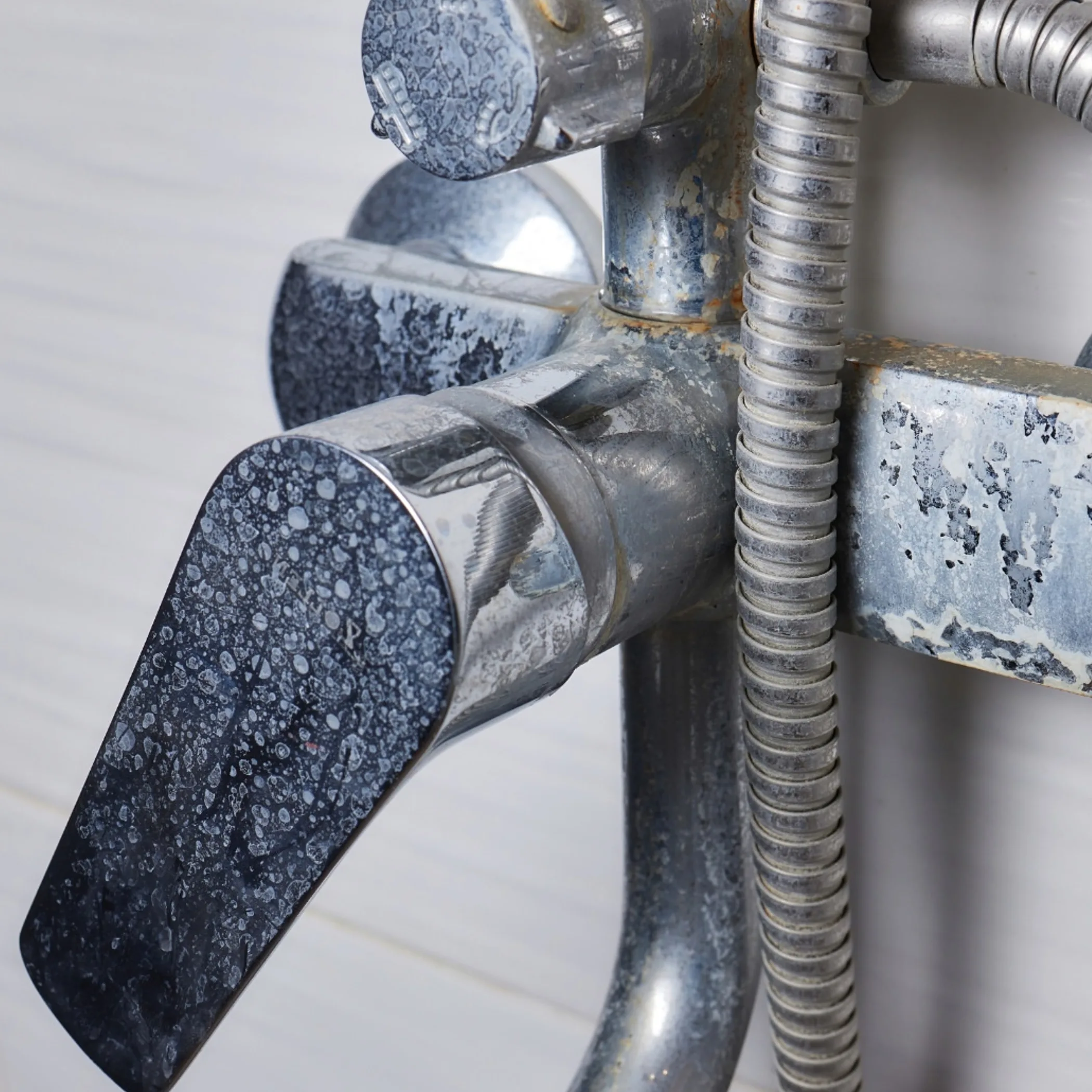
As a rule of thumb Adelaide and Perth will have the hardest tap water in 2026 among Australian cities, but one should not be surprised to find variation from one suburb to the next or depending on the reservoirs, groundwater and seasonal supply. Hard water is also in evidence in regional centres like Alice Springs, Mildura and Broken Hill and in some of inland Queensland.
The caveat is there is no national league table to put every city in order from hard to soft. Hardness is put in figures for an individual supply zone (milligrams per litre of calcium carbonate) so any broad city-wide designation is something of an approximation. Daniel Crowe would have it that you put your faith in the water-quality report for your own address rather than a map you see on social media.
A Matter Of Source
When water makes its way through rock and soil it dissolves minerals, principally magnesium and calcium, and becomes hard. A rain-fed supply over unreactive old rock will have less dissolved calcium than groundwater or water that has run through limestone. This can contribute to hard water scaling in heaters.
You can see the difference in adjacent suburbs; one may be drawing from a mineral-rich aquifer and another from treated surface water. Or a new reservoir tie-in, some blending or a drought measure will alter the character of the water without anyone having to relocate.
How It Compares In Practice
What follows is a more useful comparison than a laboratory ranking might offer, detailing the sort of thing one encounters in major urban and inland supplies. To be sure of the level of hardness in 2026, local testing is the only answer.
| City / Region | Practical Pattern | What One Might Put Down To Hardness | Where To Look |
|---|---|---|---|
| Adelaide | For the most part hard to very hard, the supply zone being the deciding factor | Kettles and hot-water systems get white scale as do shower screens and taps | SA Water quality data |
| Perth | Hardness is common if variable between surface and groundwater | You will see mineral deposits and build-up in the kettle, skin can feel dry | Water Corporation |
| Alice Springs | Hard and mineral-rich | Scale on the plumbing and appliances | Power And Water |
| Mildura | Inland river and groundwater make for hard water | Hot-water outlets and glassware show their marks | Council or water authority |
| Broken Hill | Mineral content is apparent | Not as soft as other city supplies, there is scale and a taste to it | Essential Water |
| Melbourne | Soft to moderately hard | In many parts of the city scale is not an issue | Melbourne Water |
| Sydney | Generally soft to moderately hard, varies locally | Some scale but not as much as in Perth or Adelaide | Sydney Water |
| Hobart | Soft to moderately hard | Most homes have little in the way of scale | TasWater |
In terms of context, hardness is given in milligrams per litre as calcium carbonate, 100 being the same as 100 parts per million. The bigger the number the more likely you are to see deposits when water is heated or evaporates.
They are not to be taken as a test result, merely an indication of why an inland town might give you more scale than either capital and why Perth or Adelaide can seem chalkier than Melbourne.
The Case Of Adelaide
Adelaide tends to be high on lists because of the mix of catchment and groundwater sources. Some areas have enough dissolved minerals in the water to put down a deposit on your shower fittings and taps. There is nothing unsafe about it, it is just a maintenance headache.
Newcomers are often taken aback by how fast hot appliances will tell on you. Before the rest of the kitchen shows signs, a kettle will have put on a pale crust; the repeated heating gets the minerals out of solution and onto the element.
What To Be On The Lookout For
There will be a chalky ring at the waterline, your glasses come out of the wash looking cloudy and the inside of the kettle is coated. If the shower is not as forceful it could be a bit of scale making a good fitting act up before you write off the plumbing. Hot-water systems need to be looked after too, with minerals tending to build up on the pipework and valves. Heaters in harder-supply locales are prone to hard water scaling, an all too familiar maintenance problem when the system is of a certain age or has not been well looked after.
Perth and its Suburbs
Groundwater figures prominently in the city’s overall supply, which is one reason Perth can put up with some hard water. But the outcome is a function of what is being piped to your property; you may find a neighbour has had a different experience.
Those with bore water or any private groundwater should be more circumspect. A private bore is no substitute for treated drinking water and the mineral content is apt to vary. Do not go by the look or taste of it but heed the testing and treatment guidelines from Western Australia.
Signs in the Home
One will spot scale on the showerhead, mixer taps, pool gear and evaporative coolers before anything else. Dark tiles might show a white, dusty film once the water has dried off. For the most part that is a mineral deposit, though soap scum and cleaning agents can add to it.
Do not think a bottle of water is the answer to a poor taste. It is hardly a practical alternative to a good household supply and you are left with packaging waste besides its own mineral profile. Should the taste alter without warning, put in a call to the water provider, there is no need to put your faith in some internet filter with a blue light.
The Inland Experience
Inland centres tend to have harder water than the capitals. The geology is richer in minerals and evaporation and groundwater movement serve to concentrate the salts and dissolved minerals. One would do well to look at Alice Springs, Mildura or Broken Hill where the quality is worlds apart from a mountain-fed city supply.
The heat brings it out. Water is used or exposed at the outdoor tap, in the hot-water system or air-conditioning. And in such dry climes a deposit has nowhere to go to hide as a splash will be gone in a moment.
Where People Go Wrong
It is easy to put down the detergent for stiff laundry or cloudy glasses. Hard water will cut the lather and leave its mark, yet piling on the detergent only compounds the residue. Read the instructions on the product and give the washing-machine filters a clean, there is no call to see every white mark as a plumbing crisis.
Then there is the whole-house softener put in without so much as a glance at the water chemistry or drainage. Put a reputable water-treatment man to the test; if the fellow cannot tell you what is happening to the wastewater, do not open your wallet to him.
Keeping Scale in Check
A little regular cleaning and due care of your appliances is sufficient for most to manage ordinary scale. You do not have to drive every mineral from the system at whatever price; sensible maintenance will protect the equipment and the flow of water.
- Make sure kettles and coffee makers are descaled as the maker would have it.
- Get the deposits off the showerhead in time.
- Wipe down glass and taps after use, a good idea in the drier inland parts.
- Leave the electrical and gas work on hot-water systems to someone qualified.
- And check the water authority on quality before you are sold a filtration device.
Vinegar will do for a removable fixture, as will a descaler of the right sort, but do not mix your chemicals and give it a good rinse. Natural stone and some heating elements are not for a kitchen experiment done with the bravado of a bloke mending his trailer at the pub.
Is a Filter Warranted?
If it is a matter of odour, taste or a particular contaminant then perhaps. But a standard carbon filter is not a softener and will not get at the calcium for scale. See what the certification says and the cost of replacement.
With a good deal of hardness a softening system can be of use provided it is installed and serviced properly. Those with dietary or medical issues would be better to take counsel from a health professional than a label on a product.
What Is What
Hard water is often thought to be unsafe. In fact it is a question of taste and upkeep; safety is determined by how the supply is managed.
You might expect the hardest city to be uniform. Not so. Different reservoirs or treatment plants mean one suburb will have a different mineral make-up to the one beside it.
What one might expect is for the scale to be evidence of contaminated water. In fact it is more often a white residue of minerals from water that has been heated or evaporated. Any marked change in taste, an odd smell or colour would warrant a report to your water provider, however.
Official Water Information
Supply and quality data are put out by the water authorities, if only in varying degrees of detail and format across the states and territories. The Australian Government’s own drinking-water information is the place to go for national guidance and an overview of how it is managed.
For those inspecting their property, a search will do by supply zone, suburb or postcode. Tenants should make of the landlord or property manager an inquiry as to whether they are on mains, tank or private bore; the latter two call for checks of a different order than treated metropolitan water.
Who Should Be Acting First
It is of some importance to any household with older hot-water set-ups, an expensive coffee machine, evaporative cooling or where there is reduced pressure and visible deposits. Landlords too have an interest in knowing the difference between a plumbing fault and something that needs cleaning.
If you have put in new appliances, peruse the maintenance manual before doing the first clean. A little prevention is less costly in the long run than having to put in a new pump or valve after months of scale going unheeded.
Five Common Questions
Is Adelaide the hardest water city?
One of the capitals most linked with hard water, yes, but to say all of its suburbs are the hardest in the country is not right. Some inland centres have a higher mineral content and hardness will differ according to the source and zone.
Harder in Perth than Melbourne?
In the way it is used in the home, Perth tends to be harder, in parts where groundwater is a factor. While Melbourne is thought of as softer, local readings are not uniform and the authority should be consulted.
A cause for illness?
Not as such. Hardness does not of itself mean one should shun a well-run supply. It will put a damper on the taste and how your soap and appliances work. But should the water take on an unusual look or alter without warning, get in touch with the supplier and have a professional opinion.
Will boiling it help?
You may see some minerals settle as scale but it is no surefire way of ridding the water of hardness. Repeated boiling is what leaves deposits in the kettle and other hot-water fittings.
Is a softener called for?
There is no need in many cases. Servicing and cleaning is how most households cope. Where the scale is bad a softener can be of use, provided you have tested the supply and factored in the cost of installation, salt, wastewater and upkeep.
The bottom line
By 2026 the cities of Adelaide and Perth are where one would start to find the hardest tap water in Australia, though in certain zones Alice Springs, Mildura and Broken Hill are as hard or harder.
Keep it practical: test your private sources, have the hot appliances seen to before the scale gets dear, and see what the current authority information says for your zone. Hard water is a nuisance to be put up with, not an occasion for panic or to dispose of the kettle and head for the Stuart Highway.
