In northern Australia one finds marine stinger season from October through May for the most part, if local conditions allow. Box and Irukandji jellyfish are not uncommon in the coastal waters of the tropics in these warmer months, especially in northern Queensland and some of Western Australia.
Daniel Crowe here. I have come to appreciate that a modicum of preparation is repaid when you are in tropical waters. The beach might be as flat as a pancake and the water beckoning; your fellow traveller will say they are “just in for five minutes”. Put aside such things and look at the signs. If there is an enclosed area to swim in or a stinger suit to be had, make use of it. Heed the lifeguard. It is a straightforward way to see off any chance of your holiday becoming a first-aid exercise.
The Meaning of Stinger Season
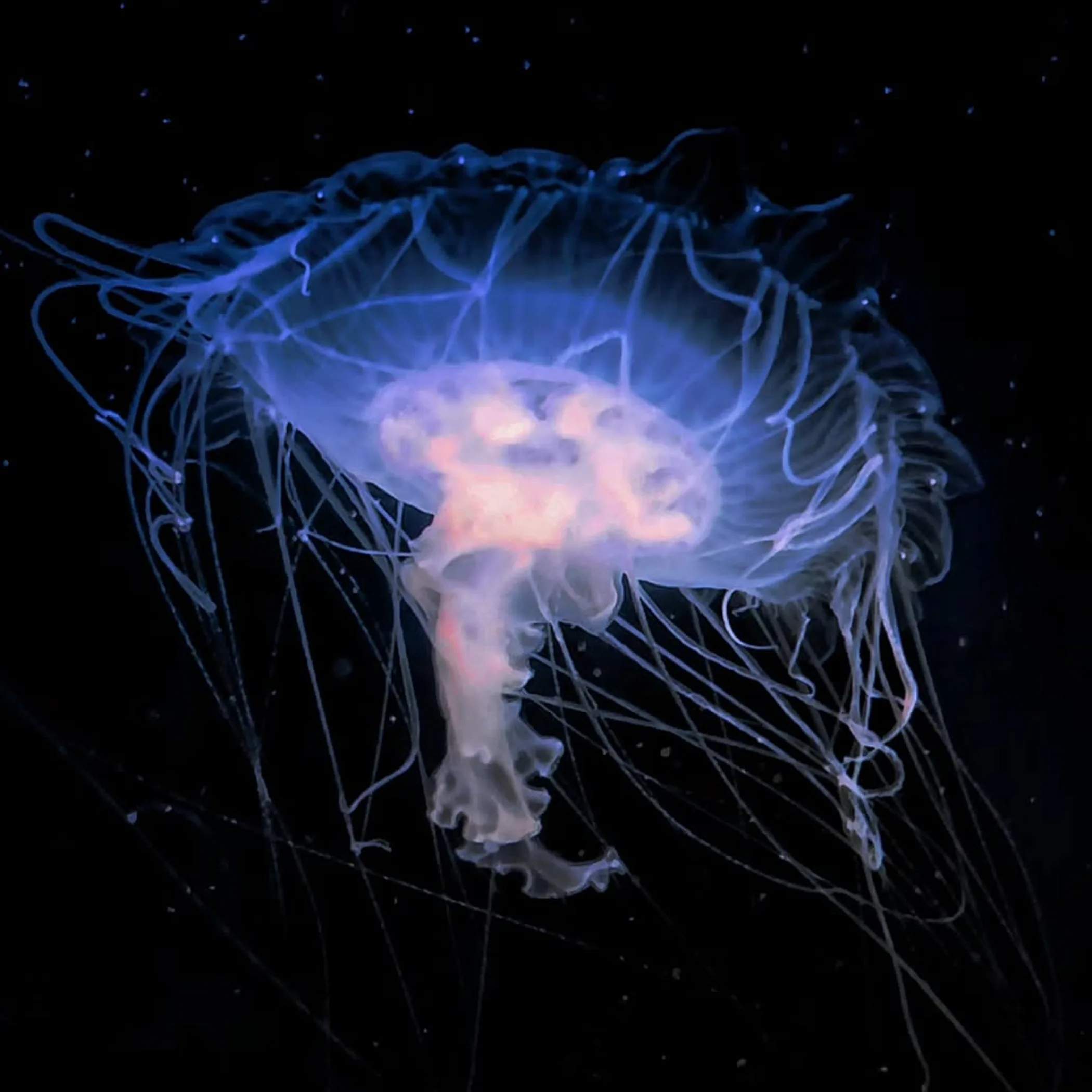
Put simply, this is the time of year that warm tropical waters are more apt to hold their share of dangerous jellyfish. Do not think of it as something that turns on with the morning in October and off at the stroke of midnight in May. One has to consider the tides, wind, rainfall, currents and what the water temperature is doing.
There are different kinds of jellyfish under this rubric, the large box type and the diminutive Irukandji. While a sting can be painful enough to handle, in some cases it is a medical emergency. There is no call for panic, only a sensible reduction of risk.
October to May
Eight calendar months is how long the main period for marine stinger protection is reckoned in northern Queensland. A visitor in this window would do well to have his precautions in place and not suppose the danger is confined to the height of summer. You will hear some locals put it at November to May depending on the region or the beach in question. Then again, conditions have a way of departing from the usual dates so consult the lifeguards and read the notices, alongside these Aussie beach swimming safety essentials.
Regional Considerations
It is all very well to know the season but better still to know what is going on at your destination. Under the same broad label, the beaches of Townsville, Cairns or the Whitsundays and those of tropical Western Australia are not alike.
A wet-season downpour can mean rough surf, poor visibility and strong currents. From November to April cyclone alerts are a concern up north. What was an open beach in the morning may be out of the question by lunch, so leave some room in the day for that.
Cairns and Palm Cove
Around Cairns the stinger season is the warmer stretch of October to May. Trinity Beach and Palm Cove are popular and will have their stinger nets or set aside areas for swimming though arrangements differ.
For a swim near town with some control over the environment, the Esplanade Lagoon in Cairns is hard to beat. It is not the sea, true, but then you can cool off without making of the shoreline a backyard pool.
Townsville and Magnetic Island
Care is called for in the warmer months in Townsville. Environments and conditions on the island and the beaches will be at the mercy of the weather and tide.
Make of the red and yellow flags what you will and ask the lifeguard where he would have you swim. It is worth the few words to avoid a lengthy one with paramedics.
Airlie Beach and Western Australia
The bays around Airlie Beach and the Whitsunday coast have a sheltered air to them, but that is no guarantee they are stinger-free. Tour operators will give the word on what to do and passengers should take it even if the water is calm.
Over in Western Australia, Cable Beach and other haunts present their own hazards and warnings. Leave your Queensland preconceptions at home. The relevant authority and the signs at the beach will tell you what you need to know.
Some Facts on Tropical Marine Stingers
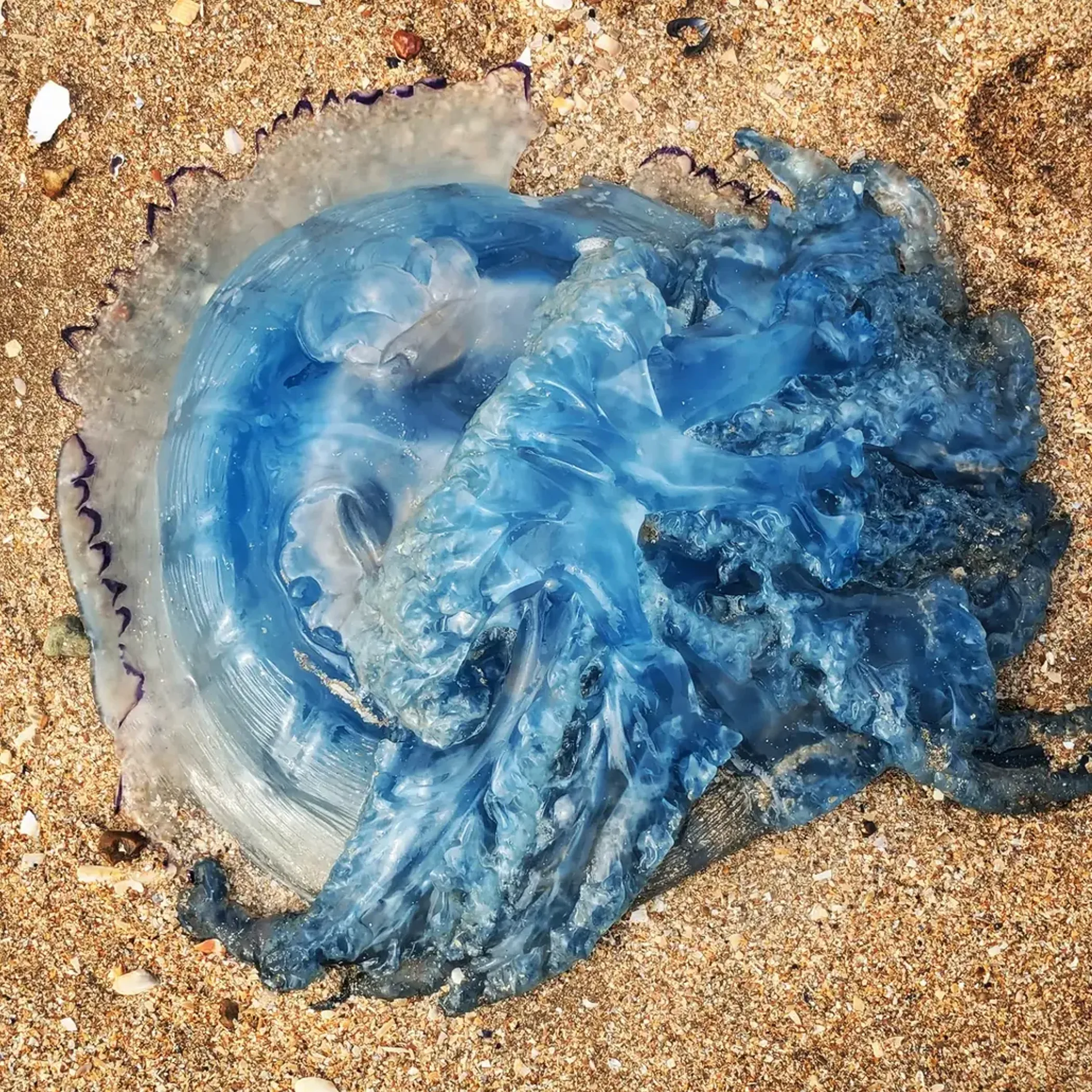
Everyone is familiar with the term box jellyfish but the variety in size and impact is not always appreciated. Just because there is no big jellyfish in evidence does not make the water safe.
An Irukandji is small and easy to miss. Its tentacles have nematocysts, tiny structures that put venom into you once set off. You can be none the wiser to the animal and yet be affected.
| Stinger or Hazard | What Can Catch People Out | Safer Response |
|---|---|---|
| Box jellyfish | Long tentacles are hard to make out in moving water. | Make use of a stinger net or an enclosed swimming area if one is at hand, and put on protective clothing. |
| Irukandji jellyfish | Do not be lulled into a false sense of security by clear water; the animal is small enough to go unnoticed. | Heed any seasonal warnings and make sure you have full-body coverage as the case may be. |
| Tentacles left on the sand | A detached tentacle in shallow water or on the shore can still deliver a sting. | Refrain from handling jellyfish or pieces of them, no matter how lifeless they look. |
| Rough conditions | Currents and weather will impede visibility and make it more difficult for help to get to you. | Stick to the flagged off area of a patrolled beach. |
Protect Yourself Before Swimming
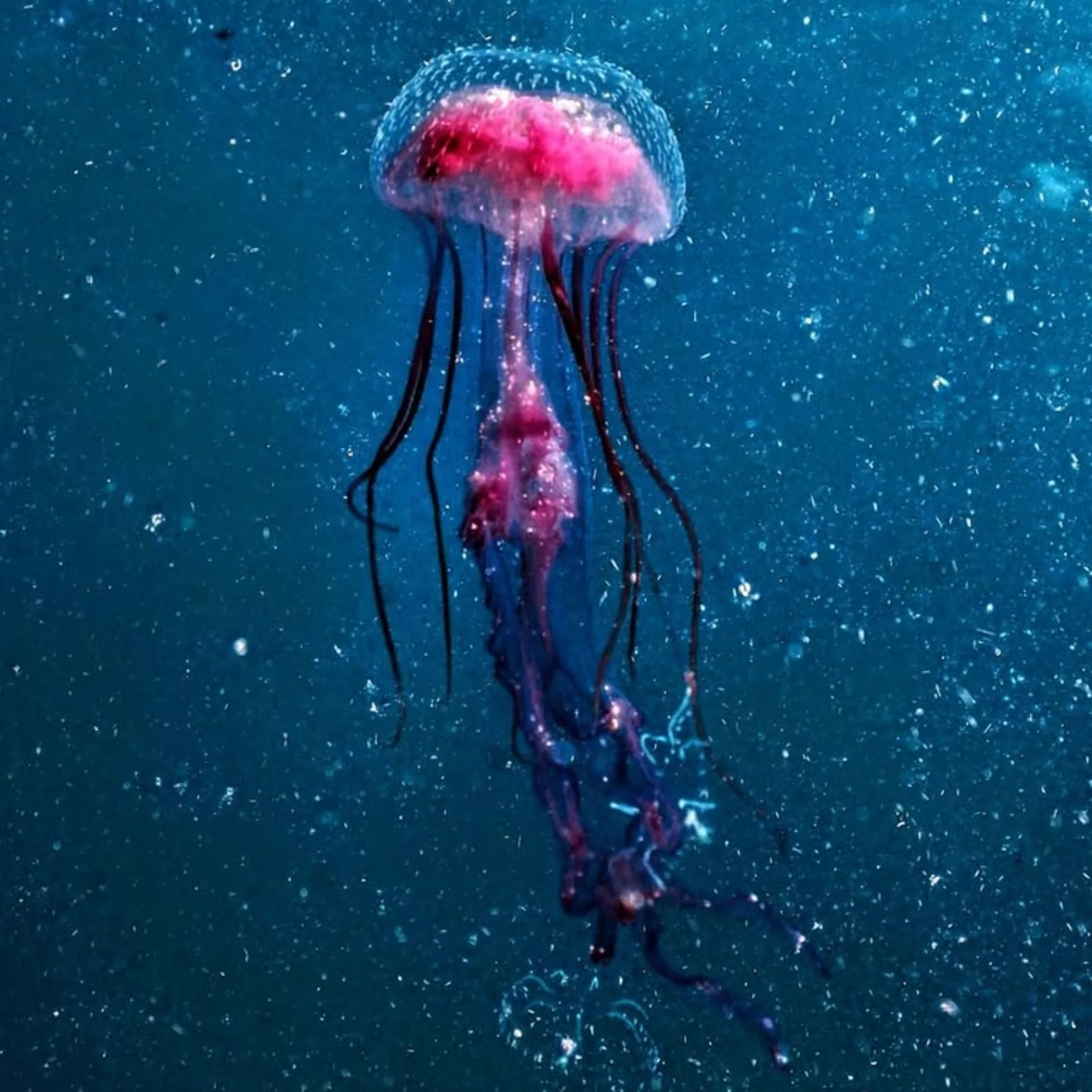
The habits that keep you safe from jellyfish in Australia are unremarkable and simple to recall. Go where the authorities would have you swim and avail yourself of the protection on offer. Should the going get rough or you are so instructed, vacate the water.
There is nothing magical about a stinger suit, it is not some kind of force field, but it is good for covering the body. When out swimming or snorkelling in the riskier months, or on a reef tour, it has its uses in keeping skin from exposure.
Checklist for your protection
- Before you get in the water, see what the weather and local signs say.
- On a patrolled beach, confine your swimming to the space between the red and yellow flags.
- Put on a stinger suit or equivalent when told to do so.
- Where there is a stinger net or enclosed area, use it.
- Do not put your hands on washed-up tentacles or jellyfish.
- Make it plain to children that clear water is no assurance of safety and keep them near.
Some will make the error of thinking a stinger suit gives licence to swim wherever one likes. It is a form of marine stinger protection, true, but it does not replace a lifeguard or good judgement. Nor is a brief dip without consequence; the minutes may be few but the risk is there.
Is a Stinger Net Safe?
They will lessen your chances of coming up against a marine stinger but cannot vouch for the exclusion of all tentacles or jellyfish. The tides and currents will move water through the mesh and small things can get in.
Regard it as a way of reducing risk. If the net is down or in disrepair, or there are warning signs posted, go elsewhere. Observe the hours and the sign at the entrance.
Reality check
One might expect a stinger net to be a risk-free pool. In fact it offers better protection, nothing more.
A hotel pool is not always open to you; maintenance or a storm can put an end to that. Call your accommodation to find out rather than trust an old review.
Freshwater holes are not inherently safer: there are slippery rocks, wildlife, submerged branches and the possibility of flash flooding. Read the local warnings first.
Where to Swim
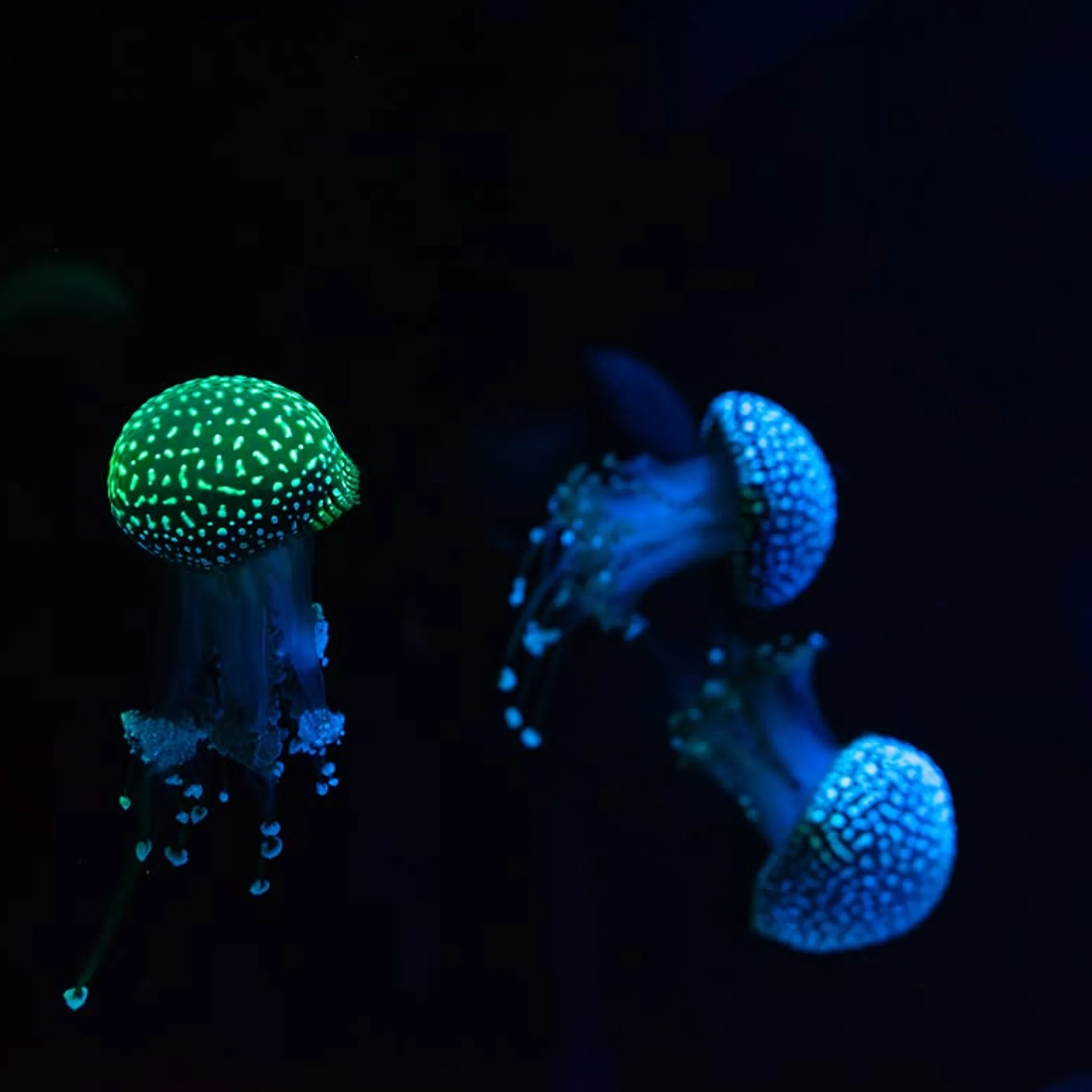
During stinger season you can certainly swim if you are discerning about location and take the local advice. There is no need to shun every beach but casual assumptions should be avoided.
For the traveller, a patrolled beach with its red and yellow flags, an Esplanade Lagoon in Cairns, a supervised tour or a stinger net in operation are the safest bets.
Choosing Your Spot
Let current information and supervision dictate where you swim, not the view. Find out where the lifeguards are and what protection is in place for the day.
If a day in Cairns is all you have, do not try to fit in an unsupervised beach between a reef cruise and your airport transfer. Make time for the walk, to change, for transport and any delays the weather brings; in the tropical heat a minor logistical oversight is felt all the more.
In Townsville a council facility or supervised beach is preferable, leaving you free to do something dry if it gets rough. With a tour operator at Magnetic Island or Airlie Beach, verify that protective clothing is being supplied before you set off.
Dealing with a Sting
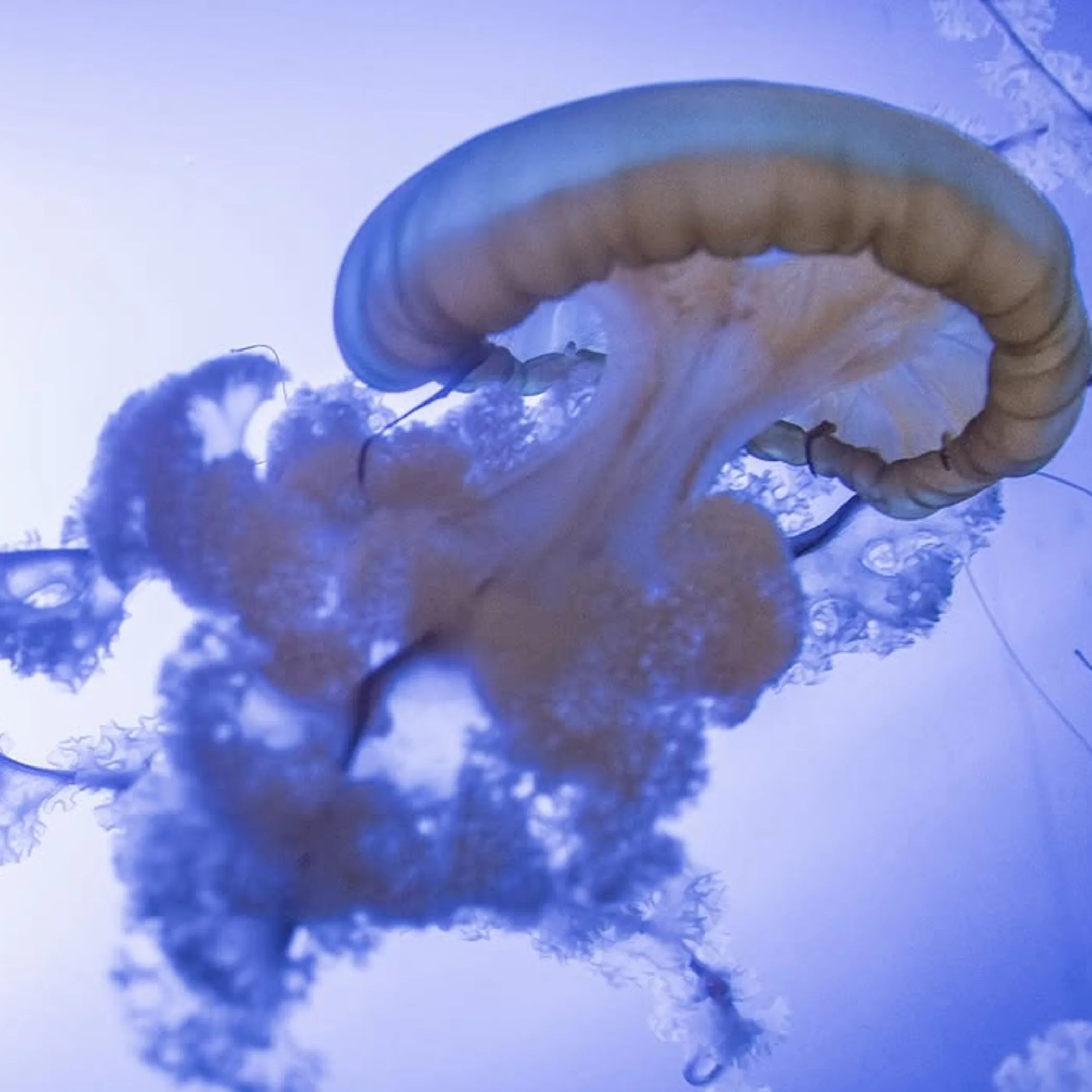
Promptness is called for with a suspected marine sting. Remove the individual from the water and put in a call to Triple Zero (000) for anything serious or if a box jellyfish or Irukandji is thought to be the culprit.
Let the lifeguards or emergency services direct your first aid. Vinegar is sometimes the order of the day but it is best to follow their lead. Whatever you do, do not rub the area or put bare hands to tentacles.
Among the more serious symptoms one might encounter are collapse, weakness, agitation, sweating and vomiting, as well as trouble breathing or pain in the chest or abdomen. With Irukandji jellyfish a sting that at first seems of little consequence can turn for the worse. One should continue to watch over the person until there is professional assistance.
Before taking to the water in northern Queensland, have a look at the Queensland Government’s marine stinger safety information put out for the latest public-health advice.
Do Not Delay Help
People are apt to make the error of waiting to see if their symptoms abate. On a remote tropical beach with poor mobile reception and a road to town that could be longer than you think, it is better to act. Inform a lifeguard without delay, provide your precise position and do as instructed.
Should you be in a car, have a charged phone, some water and sun protection at hand. But if emergency services are called for, do not put someone who is very unwell in the vehicle; remain with them and put the area right for other swimmers.
Aussie Beach Swimming Safety Essentials
Respect what you cannot see in the water. That is where it begins: check the season and the signs, have supervision and put on the right protection. Such practical habits will stand you in good stead with currents and any number of coastal hazards, not to mention sudden changes in the weather.
Families would do well to decide on a meeting spot prior to getting in the water. A solo traveller should let someone know his or her plans and not swim alone. If you are a visitor and do not know the ways of northern Australia, put aside any guesswork based on others and ask a lifeguard.
The beach may be tempting but there is no award for disregarding the warning flag. You can be sure the ocean will be there in the morning with perhaps better conditions and less in the way of jellyfish.
Frequently Asked Questions
Is it possible to swim in stinger season?
You can, provided you are at a patrolled beach and adhere to the red and yellow flags. Make use of an enclosed swimming area or stinger net if one is on hand and don a stinger suit as recommended. Do not swim without supervision and see what the local conditions are like for the day.
What dates make up stinger season in Australia?
For much of the north the period runs from October through May, though some will tell you November to May. It is best to regard the seasonal window as something to plan around, since conditions and location will dictate whether it is safe or not on any given date.
How many fatalities from box jellyfish are there in Australia?
Reporting periods and how they are classified vary so there is no one figure to be quoted off the top of your head without consulting official records. Given that a box jellyfish sting can end in death, the sensible thing is to heed warnings and get emergency help straight away if you suspect a serious one.
Where are the most box jellyfish found?
There is no ranking to be had that will point to a particular beach. Tides, the weather and the season all affect their distribution. An internet list is of less account than what the lifeguard or the signs say, as a place with no recent reports can become unsuitable in short order.
Queensland and avoiding jellyfish
Stick to a patrolled beach and the confines of the red and yellow flags. An operating stinger net or enclosed area is advisable, as is a stinger suit. Heed officials when they say to leave the water and do not handle any that have been washed up. None of this risk is negated by a busy beach or calm, clear water.
Make The Sensible Call
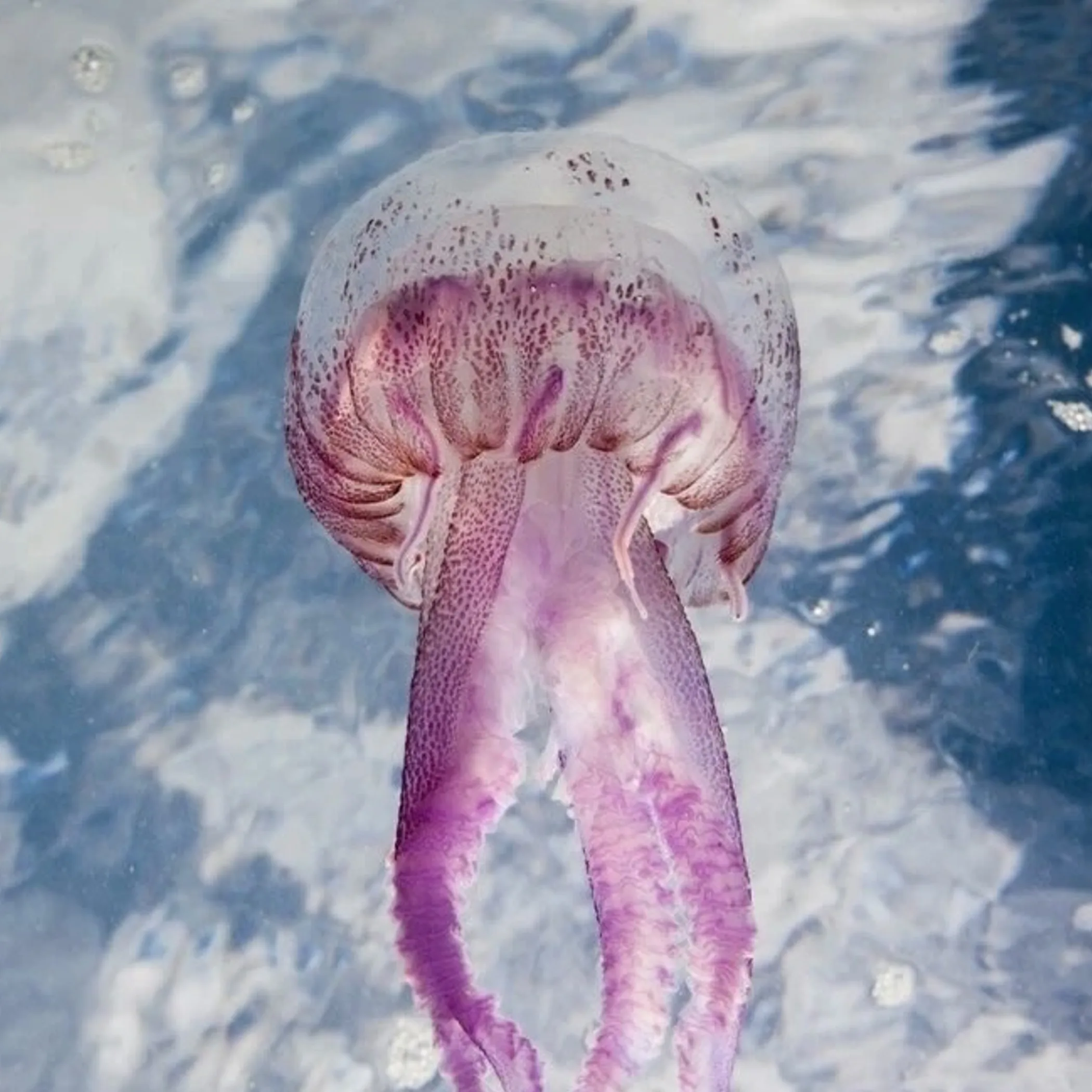
A holiday on the coast need not be spoiled by the marine stinger season in the north, it just means a different approach to your swim. Have a backup for rough days, respect the lifeguards and take the proper precautions.
Then you can enjoy the tropics with your eyes open. The tides and the mozzies and the jellyfish are not going to read your itinerary but with some preparation a traveller can still put in a fine day.
