It is a matter of making a practical choice to begin with: pick the region that is right for your schedule, mode of transport and how you like to drink. The Yarra Valley is where one goes for an old-fashioned cellar-door day in rolling vineyard country; if coastal stops and a cool-climate Pinot Noir are more to your taste, the Mornington Peninsula has that and village food to boot. Then there is the Bellarine Peninsula for those who want their wine to come with Geelong or the coast.
I am Daniel Crowe and I made my way on Victoria’s wine roads in my time with regional visitor information. What I have observed is that people will make the error of a wine tour being a pub crawl with better views. You do not need more than two or three wineries to make a good day, provided there is a decent meal, sensible travel time and you can get back safely. Put in too many and you will be left with an afternoon of tasting notes and gravel car parks while someone puts on an act to read the map.
Choosing The Best Region Near Melbourne
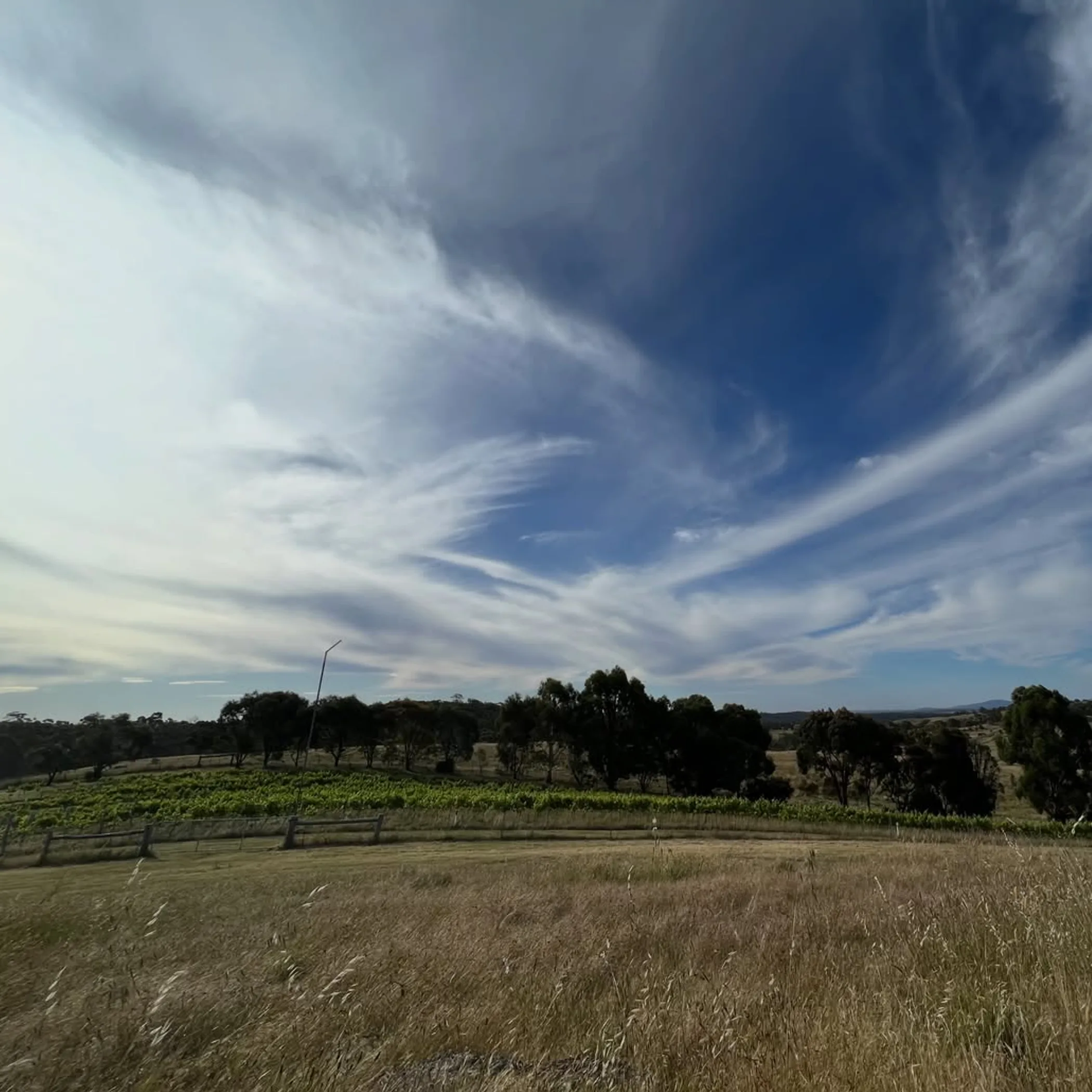
What you put on paper for the day should reflect what you are after. Factor in the drive, the kind of cellar door and food on offer, the scenery and so on. Timing also matters, so consider the best periods to explore Peninsula vineyards. It is easier to plan when you let the experience dictate the day instead of just running down a list of winery names.
A Comparison Of Victoria’s Regions
| Region | Typical Access From Melbourne | Best For | Planning Notes |
|---|---|---|---|
| Yarra Valley | 1 to 1.5 hours by road to the centre of things | A first visit, sparkling and Chardonnay, a winery lunch | Weekends see the popular venues crowded; Healesville is a handy place for food and to make your return |
| Mornington Peninsula | Anywhere from 1.5 to 2 hours depending on the traffic and where you are headed | Red Hill, farm produce, long relaxed lunches and the coast | Do not be fooled by the map, some cellar doors are further apart than they seem |
| Bellarine Peninsula | Some 1.5–2 hours by road, Geelong included | A quieter time with your Chardonnay and Pinot Noir or a day in Geelong | If you are doing any coastal travelling, check your timings for ferries and roads |
| Rutherglen | A proper regional affair best done with an overnight | Fortifieds, historic Shiraz and a slower regional break | Not something you would do in a hurry from Melbourne |
Those new to it will find the Yarra Valley the most uncomplicated option. The going is easy enough and between the mix of food and cellar doors there is no shortage of activity. Healesville is there for a practical break in the tastings. One could throw in the Dandenong Ranges but unless you are inclined to be getting home in the dark, leave the mountain driving and the long lunch for another time.
With the Mornington Peninsula you get more out of the day than wine alone. Make of it a food and coast itinerary with a run through Sorrento or the southern peninsula. But give yourself time for the narrow roads and weekend congestion and the odd venue that is up a winding driveway despite looking nigh on next door.
To Be Driven Or Drive Yourself
The way you get about will set the tone. There is the guided coach or small group which takes the thinking out of it, a private driver for a measure of control, or self-drive if someone in the party is content to abstain. When you count fuel, parking and the like, the lowest price does not equate to value.
Group Size And Transport
Couples and solo travellers tend to go with a small-group tour. Make sure you know the rules on luggage and the precise meeting point in Melbourne before you part with your money. Tasting and lunch may be extra with some.
Private tours are what you book for a birthday or family occasion in Melbourne. They are more accommodating. Find out if you are hiring a chauffeur or a guide behind the wheel, what the headroom is in the vehicle and if they will take you to a restaurant. As for child seats and cancellation, get that in writing.
Self-drive is fine for its freedom but you need a designated driver and some discipline over your portions. “Just a sip” is not much of a plan. Public transport is only worth considering if it actually gets you to the winery; the trains and buses do not make a habit of linking the rural roads where most cellar doors are found.
Wineries from Melbourne: Getting There
The Yarra Valley is reached from the eastern suburbs of Melbourne; factor in some extra time on a weekend afternoon or at weekday peak hours. Healesville will do for navigation, though you will find most wineries are not in the town proper. On the Mornington Peninsula one has to contend with traffic on the Frankston corridor and the like. As for the Bellarine, make your plans with Geelong in mind and put aside more time if the day involves a ferry or a coastal detour.
You will generally be able to park at a winery, but do not expect a paved lot; it is often grass or gravel and can be uneven. Put on sensible footwear and, should there be any in the party with mobility issues, check on accessibility prior to booking. After a lengthy lunch it is good to have a private driver put you right by the cellar door, something that is of more consequence than one might think.
Budgeting For A Wine Tour In Melbourne
Most in Melbourne will set their budget on the basis of the tour price as advertised before coming across the ancillary costs. You need to account for transport, what you put down for food and tastings, any you may wish to buy and a little leeway for an impromptu coffee or regional excursion. The numbers below are to be taken as working ranges for planning purposes, not 2026 fixed rates, as they vary with the season and venue.
Some Main Cost Estimates
| Expense | Planning Range Per Person | What Affects It |
|---|---|---|
| Small-group transport | Around AUD 120–250 | Tour length, inclusions, size of group and where one is picked up |
| Private vehicle/driver | AUD 100–250+ (group booking per person) | How the cost is divided among passengers, the route, hours and type of vehicle |
| Tasting fees | AUD 10–35 a head at the cellar door | Whether the flight is standard or premium, the kind of booking made and so on |
| A winery lunch | AUD 45–120 | Depends on the restaurant and whether you have two or three courses with matching wines |
| Fuel and parking (self-drive) | AUD 20–70 per car pre-meal | Charges, distance and the size of the vehicle |
All told a day-trip comes in at some AUD 180–450 per person with transport and lunch factored in. This is a rough guide, nothing more. A self-drive picnic is far cheaper; a long lunch and premium tastings in a private car will drive the figure up. And do enquire if tasting fees are offset when you buy a bottle; taking wine back home is an added weight and risk of breakage.
When To Splurge
If the group has mixed mobility requirements, fancies the smaller venues a coach would not go to or wants to be unencumbered by a timetable, a private driver is worth the outlay. Two people after an uncomplicated day will find a guided tour offers better value since there is no need to make all the reservations. Then there is the responsible drinker who is happy to have a sober driver and can limit his intake; he is best off behind the wheel himself.
Those averse to booking in advance, structured tastings or the odd rural drive and uneven terrain will not be well served here. Young children can find it wearing, especially where there is no room to roam or a menu to suit them. Better to ask in advance than find out over a very costly display of bottles.
Putting Together An Itinerary
Do not rush through four tastings. A good day in the Melbourne wineries has some breathing room: two of substance and one of a lighter nature. That way there is time for the traffic, a few photos, lunch, a word at the cellar door and the toilet stop nobody puts on the agenda until you come to the next turn-off.
A Simple Way To Go
- Make an early start from Melbourne to be at the first place as it opens, 30 minutes clear of what the map would have you believe.
- Have a morning tasting at the first cellar door and allow an hour or 90 to see and shop before you are off.
- For lunch at the winery put in a reservation for 12.30 or 1 pm so one can sit down properly instead of in the car park.
- One more cellar door or a food stop in the afternoon and then make for home before fatigue sets in.
- Leave 30 to 60 minutes in reserve for roadworks, the weather or slow service.
In the Yarra Valley for a first outing, try an established name and a lesser producer in the Healesville area and conclude with a regional lunch. On the Mornington Peninsula a compact run around Red Hill or Main Ridge is preferable to attempting the whole of it. With the Bellarine you must decide if the priority is wine or the sightseeing in and around Geelong; to do both in full is asking too much of a day.
Expectation Versus Reality
One might think a winery is never more than five minutes from its neighbour, but in fact you will find vineyards put to some distance by way of a meandering road, an occasional gate or farm vehicle and the odd spot of poor mobile reception. And while 20 minutes is the allotted time for a tasting, put in a bottle purchase, a good talk and a trip to the loo and an hour has gone.
Then there is the weather to contend with. It can alter the day in short order: a wet lawn makes for a treacherous walk in the vineyard, the heat of summer will see a metal car become an oven and a gust of wind can have you running after your napkin at an al fresco lunch. A word to the wise is to consult the Bureau of Meteorology’s Australian forecasts prior to setting out, especially with coastal roads or outdoor dining on the agenda.
Book Tastings, Lunch And Transport In Advance
This is something to do ahead of time, not least on weekends and public holidays or when the harvest is in full swing and events are on. You may be let in as a walk-in on a slow Tuesday, but expect to need a reservation for a Saturday. The venue’s booking page will make plain if the fee is refundable, if food needs to be pre-ordered and so on.
Confirm The Details
Put to rest any questions before you finalise the day. Make sure you know the policy on cancellations, parking and accessibility; what the arrival procedure is; whether the group size is suitable. Is it a standing or seated affair? Are dogs welcome? Can the restaurant put up with a late comer? It all seems like fussing until you have to account for a lost booking because you took the wrong driveway and were 15 minutes behind schedule.
Do not forget to plan for the bottles. Wine will not fare well in a parked car on a warm day, so if you are at the wheel, find a place to put them out of the sun. Some will store your purchases for you over the course of the tour, but check first.
Pack For Weather, Tasting Rooms And Vineyard Visits
Forget about dressing for a fashion shoot, this is a rural working property. There is loose gravel in the rows and mud on the paths, cellar doors tend to be cool. A pair of sensible shoes and a light layer are preferable to anything delicate. Take along a hat (though you will want to hold on to it where the coast gets windy), sunglasses, sunscreen, a small rain layer, a phone charger and a water bottle you can refill. Keep any medication in its box and make the operator aware of allergies beforehand.
Travel Responsibly
The portions may be modest but it is alcohol nonetheless. Heed the operator’s advice on responsible drinking, have some water and eat. Do not get behind the wheel. Should anyone become unwell or drowsy, call it a day and inform the guide.
Show some respect for the vineyard: close the gates, stay where you are supposed to and do not go picking grapes or encroaching on the machinery. A bit of courtesy spares the next traveller an unpleasantness and you an awkward conversation with the man on the tractor.
Best Periods To Explore Peninsula Vineyards
Whether you are after the harvest or a coastal stroll, milder climes or a quiet venue will dictate when you go. Spring is for changeable conditions and new growth. Summer has the daylight but also the heat and the crowds vying for an outside table. Autumn is cooler in the evenings and has the energy of the harvest; winter is best for an indoor tasting and is generally less busy.
Choose The Right Season
Make it a weekday in spring or autumn for a first visit and you will be in for a more relaxed time. Traffic is more tolerable, the cellar doors are not so hectic and you can take your time with lunch. Those in the market for a beach and long days of light will find summer to their liking as a traveller, provided one books with some forethought and does not try to force a number of far-flung venues onto a single itinerary.
Then there is winter, which makes for fine restaurant dining and wine tasting of the more serious sort in cold or wet weather. One should be flexible with any outdoor agenda and see what the roads are like before setting off. Rural access is at the mercy of heat, strong winds, heavy rain or bushfire risk; make it a point to look over venue updates and alerts on the morning you are due to travel.
Melbourne Wine Tours: Some Frequently Asked Questions
What Is The Best Wine Region To Put On Your Itinerary From Melbourne?
For the first-timer the Yarra Valley is an all-round favourite by virtue of its wineries, food and Healesville being so easy to get to. Or go to the Mornington Peninsula for the cool-climate wines and coastal views, the Bellarine if you want a day out of Geelong at a less hurried tempo.
How Far Are You From The Wineries?
By road 1 to 1.5 hours is typical for the central Yarra Valley; 1.5–2 for the likes of Mornington and Bellarine, though that is contingent on where the cellar door is and how the traffic is. Consider them planning figures rather than anything guaranteed.
Is A Car Necessary?
Not at all. There are private drivers, chauffeur options and small-group guided tours for those who do not wish to put in the driving themselves. Relying on public transport is not as workable since a good many wineries are not on the regular bus or train lines.
What Will A Wine Tour Set You Back?
Figure on AUD 180–450 a head to cover lunch, tastings and the ride. A self-drive may be on the cheaper side, a private tour costlier. But check what is included as you will not find premium flights, bottle purchases or tasting fees in the price you were quoted.
One Day, How Many Wineries Can Be Done?
Most would be content with two or three. Anything more and you are looking at a late lunch and not much opportunity to savour the region in between. Allow for the odd delay from weather or traffic and have a lunch booked.
What To Wear?
Enclosed shoes that are comfortable, something to block the sun and layers you can breathe in. If the weather is changeable have a rain jacket at hand. Leave the high heels or delicate footwear behind if the plan is to be walking on gravel or through the vineyards.
Do They Provide Lunch?
Some will, but not all. Find out if it is a set menu and whether drinks are an extra. For weekends and seasonal affairs it is best to book a restaurant of your own.
The Right Time Of Year?
You will generally get a pleasant mix of weather and vineyard conditions in spring and autumn. Summer has its long days but is apt to be hotter and more crowded; in winter things are quieter but you are at the whim of the forecast and indoor venues.
Any Need To Book For 2026?
Certainly, for the popular tasting rooms, private groups and winery lunches, let alone public holidays and weekends. Doing so means you can pick the venues that suit rather than cobble together a route from open tables.
A good tour from Melbourne is not about making a dash for the well known ones but to put aside time in the day, select a region and ensure a safe way back. Be honest with the budget, have your transport and key stops in order and let the countryside dictate how you proceed. In the end you will have a couple of bottles to show for it and a story to tell Sarah.
