This is a no-nonsense way of preventing blocked or overflowing gutters and the costly water damage that can ensue. For the majority of Australian homes late autumn is the prime time to get at them, spring being the next best option. Of course, if you have a property with a lot of trees or one that takes the brunt of storm season and heavy rain, it will warrant more of your time.
I am Daniel Crowe and I have found roof maintenance to be the sort of chore one is reminded of about three minutes into the rain making an appearance on the ceiling. The sensible thing to do is to put the gutters in order after the leaves have come down, have a look before winter sets in and do another check ahead of any local storms. Your downpipes and the climate of the region will dictate the timing.
Choose The Right Seasonal Window

May to June is generally when you will want to be cleaning in Australia. These are ideal periods for roof upkeep. In the south the heaviest of the winter rains are yet to make themselves felt but by then most deciduous trees have let go of their leaves.
Then there is the value of a spring clean in October or November. It is a good opportunity to put right any loose bits or damaged brackets and see to downpipes that are prone to overflow before summer storms roll in. You might not find a calendar reminder as appealing as a billy on the fire but it is far less expensive than new plaster for water damage.
Let The Leaf Fall Tell You
Dates on a calendar are fine but leaf fall is a better indicator. There is no point in putting in the work early if the trees around the house are still in the process of shedding; you will end up at it twice. Once the preponderance of leaves are on the ground, get the autumn cleaning done prior to any sustained rain.
With evergreens you are looking at a year round supply of needles and bark so twice a year is hardly enough. Make an inspection after some wind or rain has been through, particularly if you can spot debris from below.
Have Some Regard For Safe Weather
Make sure the day is dry and calm with decent visibility. Slippery ladders and gusts on a wet roof will ruin an afternoon, and a kelpie makes a poor audience for it.
If heights or getting on to the roof is not to your liking, do not put yourself in that position. Let a professional with the proper equipment handle the roof edge and test the downpipes. And keep any ladder well clear of electrical wires or uneven ground.
The Case For Late Autumn
There is a reason late autumn is so important, it is the period between the main leaf drop and the onset of winter rains. A clean in May or June means less organic matter in the gutters when the rainfall picks up in southern cities and inland.
For a home with street trees this is all the more so. A wet leaf is a heavy thing and they have a habit of matting together at the outlets to form a soggy sandwich that keeps water from the downpipes.
Getting Ready For Winter
Do not just be content to scoop out leaves before winter. See that the joints are not running onto the foundation or walls, and that the downpipes and outlets are free of blockage.
Any rust or cracked sealant is easier to put right in the dry. After the winter rains a small defect can turn into mould or a damp patch on the eaves.
Timing Is Everything In The South
A late autumn trip to the Melbourne properties is usually warranted given the combination of cooler temperatures, the leaves and the winter rain. You will find more of a build up in the leafy suburbs like Coburg than in an open property.
And while a sheltered inner suburb may have its own routine, Frankston and elsewhere in greater Melbourne present a different exposure thanks to coastal winds and bushland. Do not apply the same Victorian gutter maintenance plan across the board without due consideration.
The Case For A Spring Clean
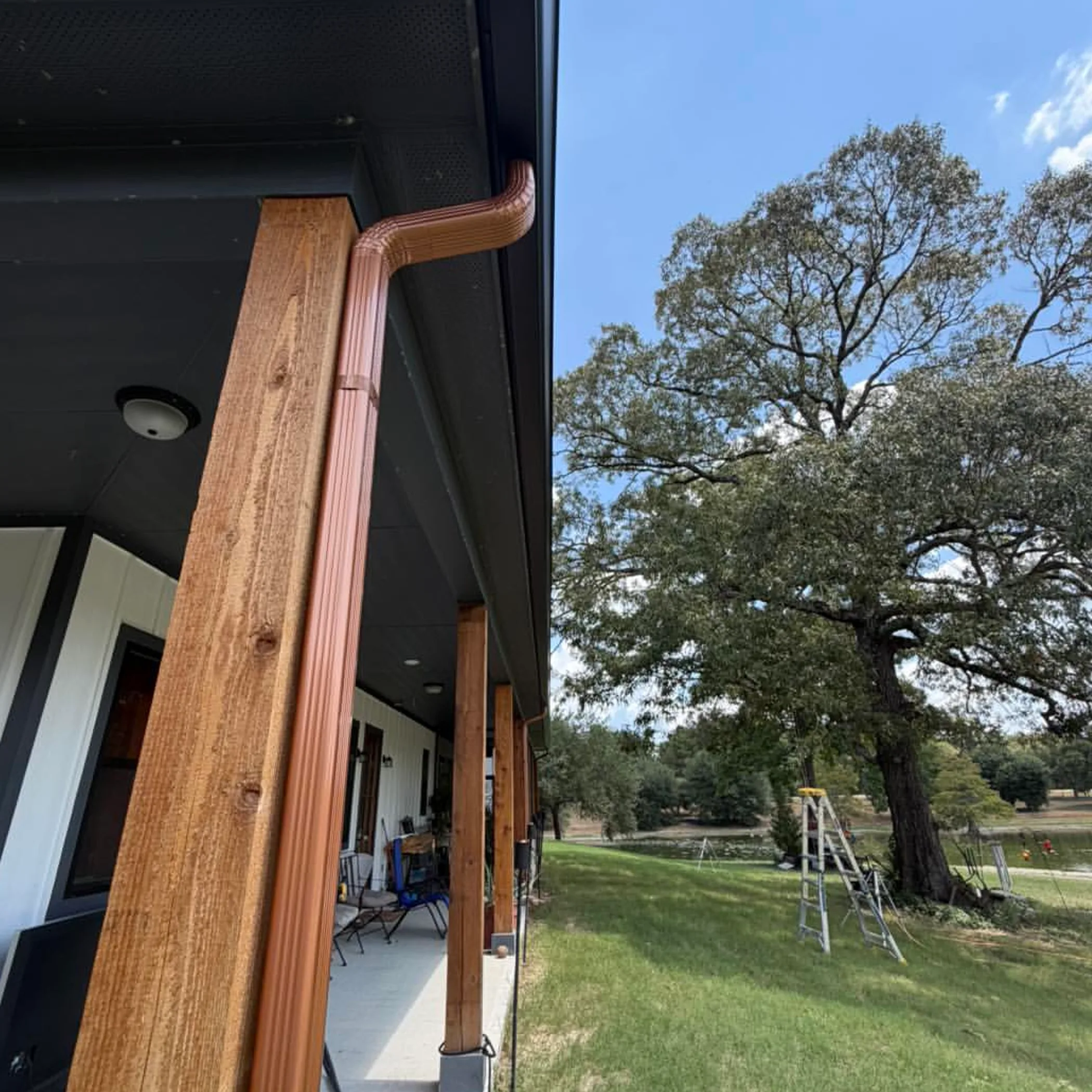
For the majority of Australian properties, spring is the time to put in some work on the gutters. It is an occasion to get rid of what the winter has left behind and make sure the downpipes are in order before the warmer months set in. When a thunderstorm or a deluge makes its unannounced appearance, one wants the roofline to be ready.
In much of the east and south October and November will do as a practical window, but then again local circumstances are what count. A hard rain early in the spring calls for an earlier inspection. Should the trees be in flower or shedding their seed pods, it is best to wait until the debris has settled for a good look over.
Put Repairs In Hand Before Summer
There is more to cleaning the gutters ahead of storm season than looks. For one thing, it allows rainwater to make its way to the downpipes unimpeded; for another, with the brackets in place the system is better able to stand up to wind and the rush of water.
One should only trim back branches where it is safe and within the law. Leave large trees and anything near powerlines to someone properly qualified. And do not be under the impression that a gutter guard means the job is done; they will keep out the bigger pieces but fine matter will still collect below.
A Full Check Of The Drainage
Water needs to come off the roof and be put to one side of the building without issue. A blockage can be overlooked if attention is given to the edge of the gutter alone.
Make sure there is no pooling at the foundations and the downpipe outlets are open. Where a pipe goes underground you may need the equipment of a professional to test it; a high-pressure hose is not to be forced into a pipe where a joint could give way.
What The Region Dictates

You will not find one weather pattern across Australia so the seasons for gutter cleaning are not uniform. The north has to factor in cyclones and the wet season, whereas in the south autumn leaves and the rains of winter are the focus.
Take the table below as a guide, not something to be dogmatic about. Let the climate of the region and recent weather have the last word. The Bureau of Meteorology has some sound information on seasonal rainfall for comparison.
| Season | Useful window | Of concern | Further check |
|---|---|---|---|
| Sydney | April/May and Oct/Nov | Storms, leaf fall | After any strong winds or heavy rain |
| Melbourne | May/June and Oct/Nov | Deciduous leaves and winter rain | Downpipes, fascia and brackets |
| Perth | Spring and late autumn | Wind, rain and debris | Prior to the winter rains |
| Brisbane | Pre-storm season and in its wake | Debris from storms and heavy rain | Overflow and outlet points |
| Adelaide | Late autumn and spring | Winter rain and leaves | Older gutters for rust or sagging |
| North-eastern Victoria | May/June and spring | Cold-season rain and leaves | Any home in the vicinity of bushland or old trees |
| Southern New South Wales | Late autumn and spring | Wind-blown detritus and winter rain | Roof valleys and downpipe |
| Northern Australia | Before the wet season and after any major weather | Cyclone debris and wet season rain | Urgent inspection after severe weather |
The Eastern Capitals
A home in Sydney with a clear roofline is not going to fill at the same rate as one under bottlebrushes or gums, so account for the vegetation and the odd sudden downpour.
In Melbourne and Brisbane a different approach is called for. A Melbourne homeowner’s calendar will be dictated by the autumn and winter, while in Brisbane the emphasis is on getting the gutters sorted before the storms and seeing to them after.
Further West And South
In Perth one will typically organise a clean around the spring and the turn of the year to the wetter times. Even if a property is not directly under a tree the wind will put leaves on the roof.
Adelaide follows a similar pattern in late autumn and spring which is advisable for older metal gutters with loose joints or rust. Then there is the matter of North Eastern Victoria and Southern New South Wales where the proximity of bushland is reason enough to leave the roof edges clear, even if it does nothing for the wider bushfire risk.
Cleaning On A Regular Basis
A twice-yearly routine is sensible for most homes in Australia, once in spring and once when the autumn leaves have fallen. But consider it a baseline; it is no guarantee that a property will stay free of obstruction for half a year.
There are a number of things that can call for more regular inspections: overhanging branches, low-pitched roofs, the presence of trees in close proximity to the house, gutter guards or a propensity for storms. A well-draining roof with little vegetation and in good order will not require as many professional visits, but it is not exempt from being put through its paces.
Put Together A Basic Schedule
Keep a log of your gutter maintenance; note the date, what the weather was like, any debris you come across and if repairs are in order. In the course of two or three such visits you will get an idea of the rate at which the gutters fill up. It is better to have a record than to put stock in one’s memory, which has a way of being unduly optimistic.
Time the first visit for after the leaves have fallen, the second before the warmer part of the storm season in your part of the country. Severe weather is another occasion for an inspection, particularly when there has been an overflow or downed branches.
What Dictates Frequency
You should be inspecting more often if there are mature trees on the property, evidence of staining under the eaves or a past of overflow. Do not overlook bird nests, moss, roof grit and seed pods that can clog an outlet even though the gutter does not appear full.
And do not be in a hurry to clear out a nest with wildlife in it without some guidance; in some cases it is safer to leave it to a pro. The same goes for steep or damaged roofs, asbestos you suspect might be present or where the ground makes access to the gutters hard.
Be Ready For The Rain

The timing of a cleaning will be dictated in part by the forecast for the coming weeks. Get the gutters done ahead of the wet period and then look them over once you have had some strong winds or a heavy rain. A storm will block your downpipes and shift branches and roof material even if the gutters were cleared not long ago.
In northern Australia one has to be mindful of the wet season. With cyclone alerts to be expected in the north from November through to April, it is prudent to have the drainage on an exposed home seen to before and after any bad weather. Heed the official warnings and do not work on the roof in dangerous conditions.
Make A Plan For The Day
With only a day to spare, make a priority of the gutters over the garage, living room and bedrooms and any wall with a history of dampness. Start with the outlets, proceed to the longest runs and end up at the point of discharge for each downpipe.
Do not let the setting sun put you in a hurry for the final inspection. Allow yourself enough time to set up, move the ladder, check the ground and put the debris in a bag. On a small single-storey place it is simple enough, but tree cover, the shape of the roof and dampness can eat into your time.
When To Get Help
For those who do not take kindly to ladders, or where there is a lot of tree cover, difficult access or a fragile, multi-storey roof, having a professional clean the gutters is the way to go. Equally sensible is to call them in after a storm if a safe inspection of the roofline is not possible from the ground.
Get a quote in writing in AUD and be sure of what it covers, from the clearance of the gutters and downpipes to the removal of debris, photographs and minor repairs, and whether there is a call-out fee. One cannot give a national price given the variance in height, condition and size of properties. Bunnings will have the ladders and gloves and the like, but the equipment will not mitigate the risk of working at height.
Early Signs Of Trouble
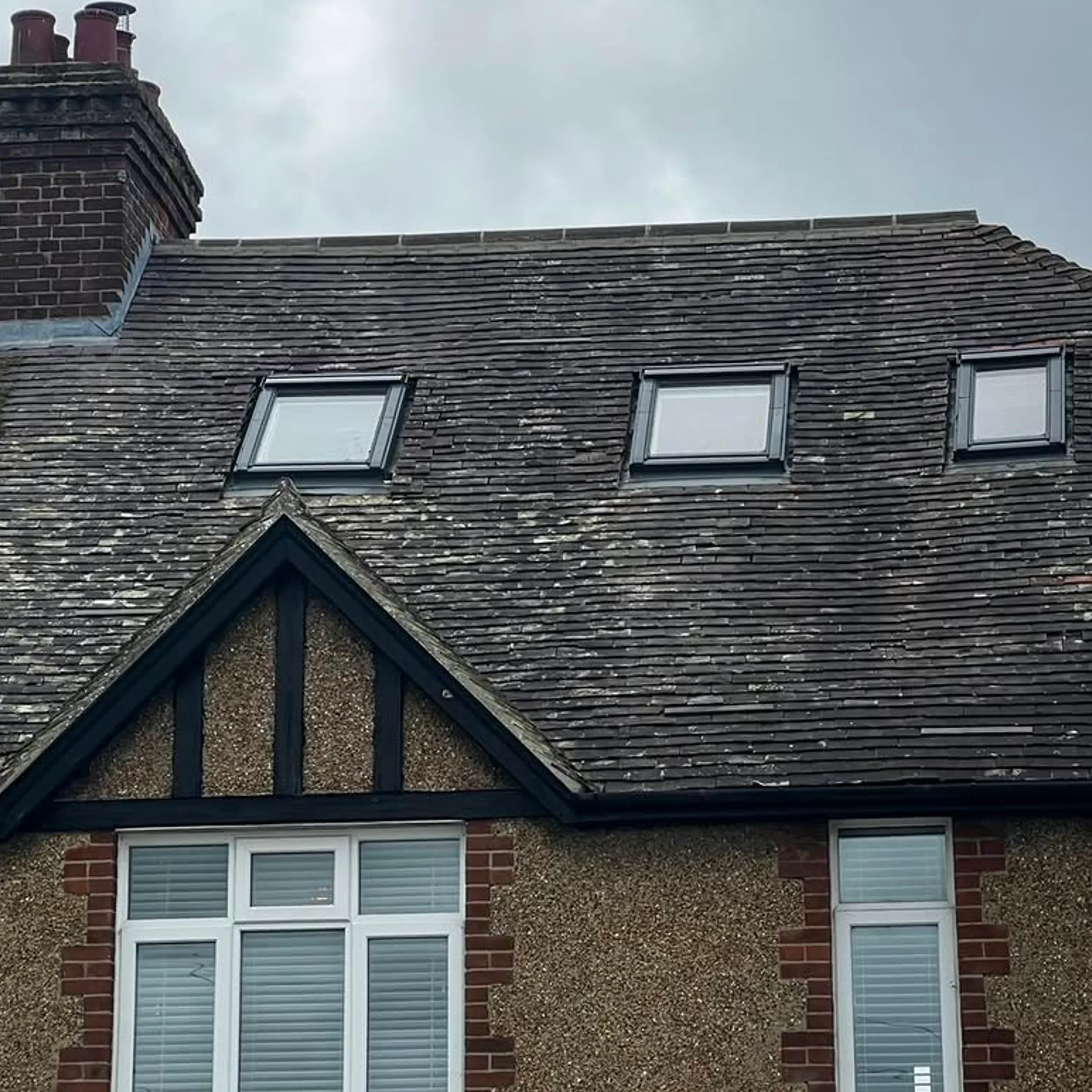
A gutter will tell you something is amiss, or it will bide its time until the ceiling in the lounge room makes its presence felt. A visual from the ground is enough to spot it before the next downpour does.
- Rain spilling over the front edge.
- Sagging or separating from the fascia.
- Moss, plants or an accumulation of debris in the channel.
- Downpipes that are either running dry or in a state of overflow, while the gutters close by are filling up.
- Peeling paint, rust or dampness making an appearance under the eaves.
- Guttering being used as a nesting ground for birds, insects and rodents.
Particular attention should be given to any overflow in the vicinity of foundations, electrical fittings, doors or windows. Put on camera from where it is safe and put in for an inspection; do not go climbing up to see what is going on.
Expectation Versus Reality
The expectation is that with gutter guards the work is done and dusted. In reality one can still have fine debris and organic matter, roof grit and the like amassing around or under the guard. It might cut down on maintenance but it is no substitute for an inspection.
You would think a hose-down is enough to unblock a downpipe. Not so. The water may run for a time but there is an obstruction deeper down. An inspection of the full drainage path is in order and at times a professional is needed to clear things.
Summer is seen as the best time on account of the warmth. But it is also when storms are at their most active and working on a hot roof is less than pleasant and not without its dangers. One is better off timing the job ahead of the wet season.
Frequently Asked Questions
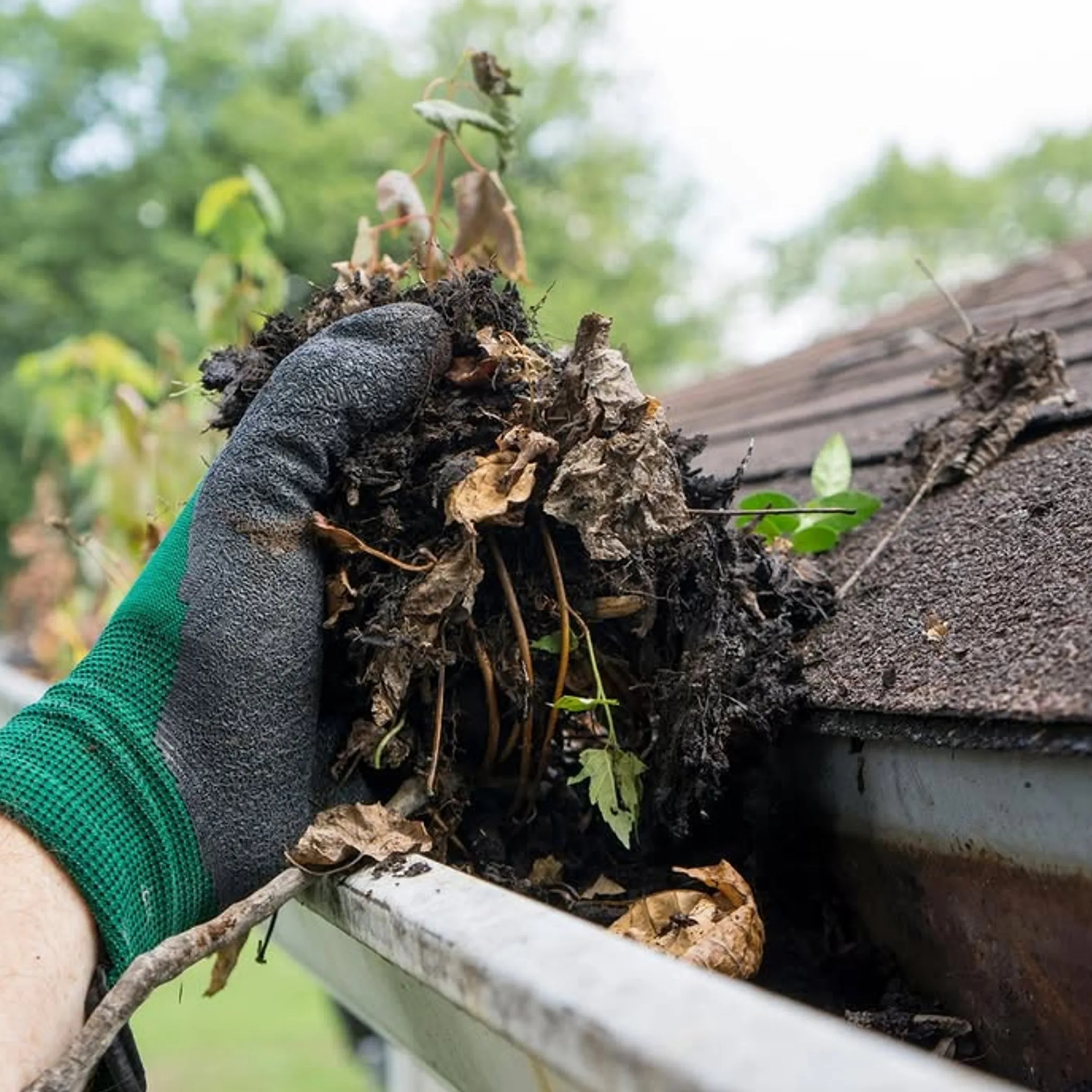
Homeowners have these questions to contend with over seasonal gutter maintenance. We give them short and plain answers since there is no need for more confusion over gutters.
How Often In Australia Are Gutters To Be Cleaned?
For most homes a twice-yearly routine is sensible, say in late autumn once the leaves have dropped and in spring prior to the worst of the storms. If you have trees right up against the roof and debris is quick to build, or if there has been overflow, then inspect with greater frequency.
What Is The Trick To Cleaning That Few Know About?
Make a point of the downpipe outlets first; a blockage there will undo an otherwise tidy job. Work your way to the outlet, do not shove debris in. There is no magic to it, just the unglamorous task of seeing the whole of the drainage path.
Is Two A Year Sufficient?
Usually yes, provided the property has good drainage and vegetation is not excessive. But for a home in bushland or under a canopy of trees in a stormy part of town three or more visits is prudent. Let the amount of debris be your guide.
What Will It Cost?
You will not get a price that holds for all of Australia. A quote in writing ought to take into account the size of the property, access, height of the roof, the volume of debris, any repairs and removal of waste, as well as downpipe blockages. Make sure you know if the figure is in AUD and covers GST, call-out and photographs.
Is It Advisable To Clean In The Rain?
Better to bide your time for some calm, dry weather. Between the wind and poor visibility and the fact ladders and roofs become slippery, a fall is more likely. Should the gutters be overflowing in the rain, make note of it from the ground and have it inspected properly when the weather is better.
Keep Water Moving Safely

There is no need to complicate a plan: deal with the overflow promptly, check before the storm season and winter rains set in and do a clean after the leaf fall. Late autumn and spring are the usual times but the local climate and any trees on the property may alter the schedule.
I was under the impression that a gutter that looked the part was a healthy one when I first made roof maintenance a priority. Wrong. The downpipe could be diverting water where it does not belong, a bracket giving way or the outlet blocked. You will thank yourself for a brief seasonal check rather than having to deal with it in the next good downpour.
