There is a hard fact to come to terms with in the matter of Australian Sun Safety Guidelines For Sensitive Skin 2026: should your skin be prone to stinging, breaking out or flushing at the slightest provocation from what is on the chemist shelf, you are going to require sound sun protection in Australia, and as a rule more so than most. The adage is an important one and it has not changed: put on some protection when the UV index is 3 plus. In much of Australia that is the case on many a day, even if the weather is cool or deceptively harmless.
I am Daniel Crowe. You do not have to be in Australia long to learn the sun does not muck about. Between the tourist inquiries I have fielded in Victoria and the long drives where one forgets a “mild” day can still see the top of your ears cooked, I have had my share of being caught out. My view is that sensitive skin calls for a plan rather than any old tube of sunscreen left in the glovebox.
What follows is a guide to the practicalities of sun safety in Australia for 2026. We will go over the UV index, making sense of Slip Slop Slap Seek Slide without working yourself up into a lather, and how to choose an SPF for sensitive skin Australia. You will find advice on mineral options for sensitive skin, patch testing, and dealing with flare-prone or treated skin. It’s important to consider sun protection after microneedling as well. And then there is the matter of consistency, something people tend to get wrong. A single application in the morning will not cut it if you are out of doors for half the day, by a window, or putting in some swimming and sweating.
Why Sensitive Skin Needs More Care
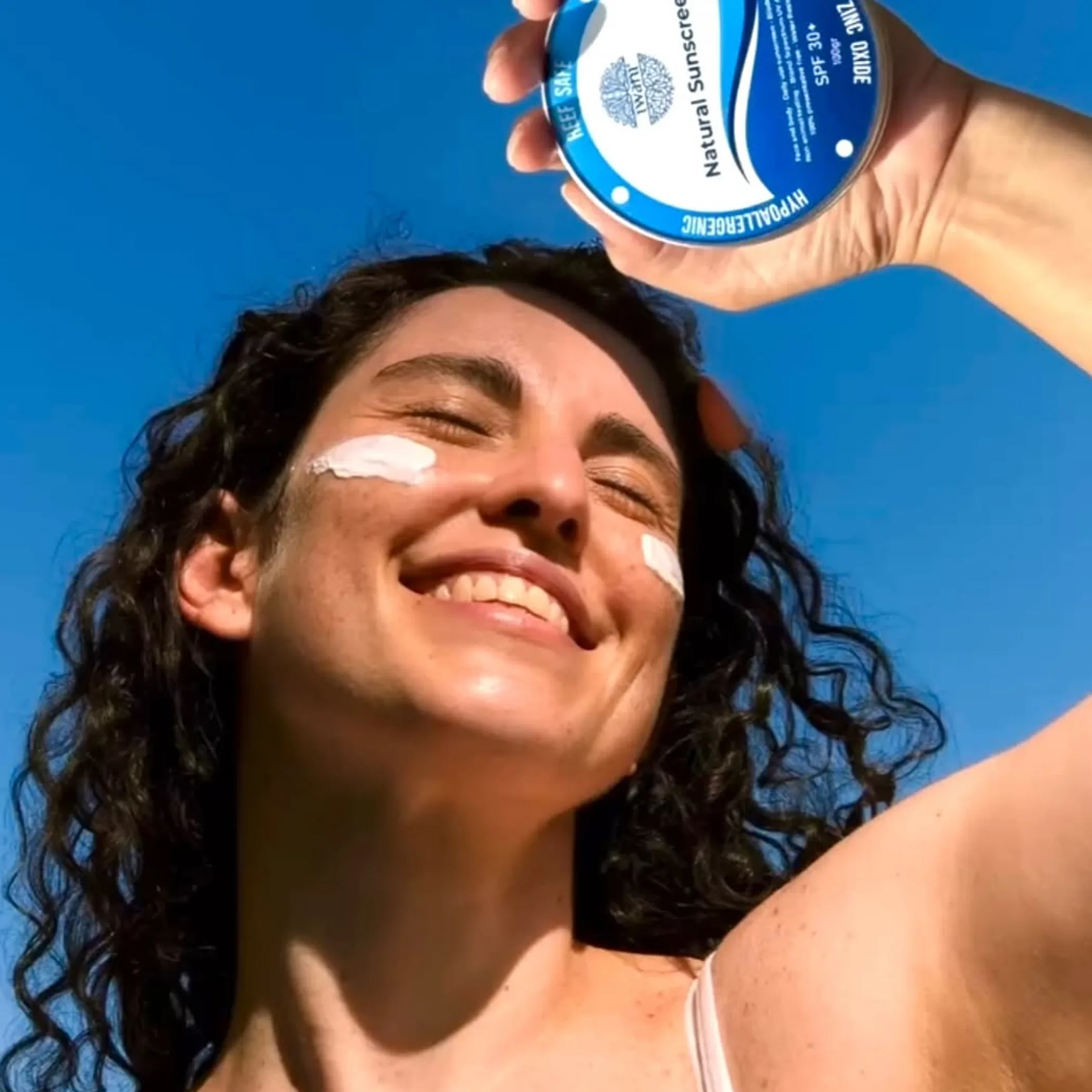
The combination of Australian sun and sensitive skin is not an easy one. One has to make sure UV damage is kept down while at the same time steering clear of ingredients or textures that would set off redness, itching or a breakout.
It is a mistake to think irritation is akin to sunburn; they are different but can compound each other in a hurry. If a sunscreen is liable to make you rub your eyes raw or have your eczema in full swing by lunch, it is no good to you however well it may protect on paper.
Defining Sensitive Skin
“Sensitive skin” is something of a catch all. It may be a diagnosis like rosacea or acne, or simply skin that has a problem with preservatives and fragrance. Or it could be skin that has been put through its paces with a laser, waxing, peels or microneedling.
A blanket recommendation is of little use since not all sensitive skin is alike. Some will want their zinc oxide or titanium dioxide. Others can handle chemical filters fine provided the sunscreen is free of alcohol and fragrance and has nothing superfluous in the ingredient list.
Make No Mistake About The UV Index
Most turn a blind eye to the UV index until it comes back to haunt them. The UV Index 3 guideline in Australia is plain enough: at 3 or above you should be protected. Do not be fooled by the heat. On a windy Central Victorian day the air may seem harmless but the UV is doing its work regardless of whether you are hot.
The Rationale Behind UV 3
Cancer Council Australia and SunSmart put the bar at UV 3 for public health reasons; that is where skin damage can set in. Their current counsel for sensitive skin is to keep an eye on the index and avoid the peak hours. There is no need to make a science of it, a ten second check of the SunSmart Global UV app before you head off for a hike, the beach or a drive will spare you regret in the long run.
Common Misconceptions
Clouds are not an excuse. Nor is a quick trip to the shops. Ten minutes here and fifteen there of incidental exposure will mount up over a few months.
| Situation | Expectation | Reality | Best Move |
| Cool cloudy morning | No risk of burning | UV could be 3+ | Put on some cover and check the index |
| Hours behind the wheel | You are indoors | UVA gets in through the glass | Sleeves and facial sunscreen |
| A dog walk | Not worth the effort | These small daily exposures add up | If the UV is 3+, put some on |
| One swim | Morning is sufficient | Towel and water take their toll | Go with a water-resistant type and reapply |
Slip Slop Slap Seek Slide
It is a system and it works, which is why we still advocate the five steps. Good news for those with sensitive skin: it is not a case of having to put your faith in sunscreen alone.
Daniel Crowe has a more practical way of putting it: make do with less product by covering up more of the skin. It is a sure way to minimise irritation and be better protected through the day.
Adapting The Slip Slop Slap Seek Slide
- Slip into something with a tight weave for sun protection. A bit of lightweight fabric, long sleeves or a collar will go a long way when sunscreen is wont to upset the arms or chest.
- Slop on an SPF50+ broad-spectrum sunscreen made for sensitive skin on what is left exposed. You want broad-spectrum to be covered on both UVA and UVB fronts.
- Slap on a broad-brimmed hat. Leave it to a cap and you are exposing neck and ears; before 3pm you will be as red as a beetroot.
- Seek shade when you can, mid-day in particular. It is not infallible but it does cut down on exposure.
- Slide on some wraparound sunglasses to Australian standards if you have them. Sensitive eyes tend to go hand in hand with the rest of it.
The kind of person this suits
This sort of layering is well suited to outdoor workers, hikers, beachgoers, children and anyone with eczema or rosacea, or who has had a reaction to sunscreen in the past. Then there is the matter of trialling a new formula one does not yet trust; this is the best course of action.
Choosing Your Sunscreen
Here things can get messy. The labels may put one at ease while the skin is having its own little mutiny. When the talk turns to physical versus chemical for sensitive skin, the question is not so much which side the internet favours but what your skin will put up with on a consistent basis.
Mineral Vs Chemical
Zinc oxide and titanium dioxide are mineral filters that stay on top of the skin and are often the recommendation for reactive types. With rosacea or after a procedure they are useful as they are not as apt to sting the eye area. Mind you, some will leave a white cast or feel thick and pill under a moisturiser.
Chemical filters have their merits in being more cosmetically elegant and lighter, and compliance is important. There is no point in a “perfect” sunscreen you shun because it has the consistency of wall filler; a tolerable one you put on right every day is of more use. Those with acne-prone skin will find a lighter formulation easier to wear.
Reading The Label
You will want to see broad-spectrum and SPF50+ for sensitive skin, and words like dermatologically tested, fragrance-free or hypoallergenic on the Australia ranges. Be wary of aerosol sprays, they are prone to being patchy and the wind will carry them off; underapplying is all too easy and a common error at the beach.
If there is swimming or sweating on the agenda, opt for water-resistant. Do not mistake that for being proof against the day though, reapplication is called for.
Don’t Make A Mess Of It
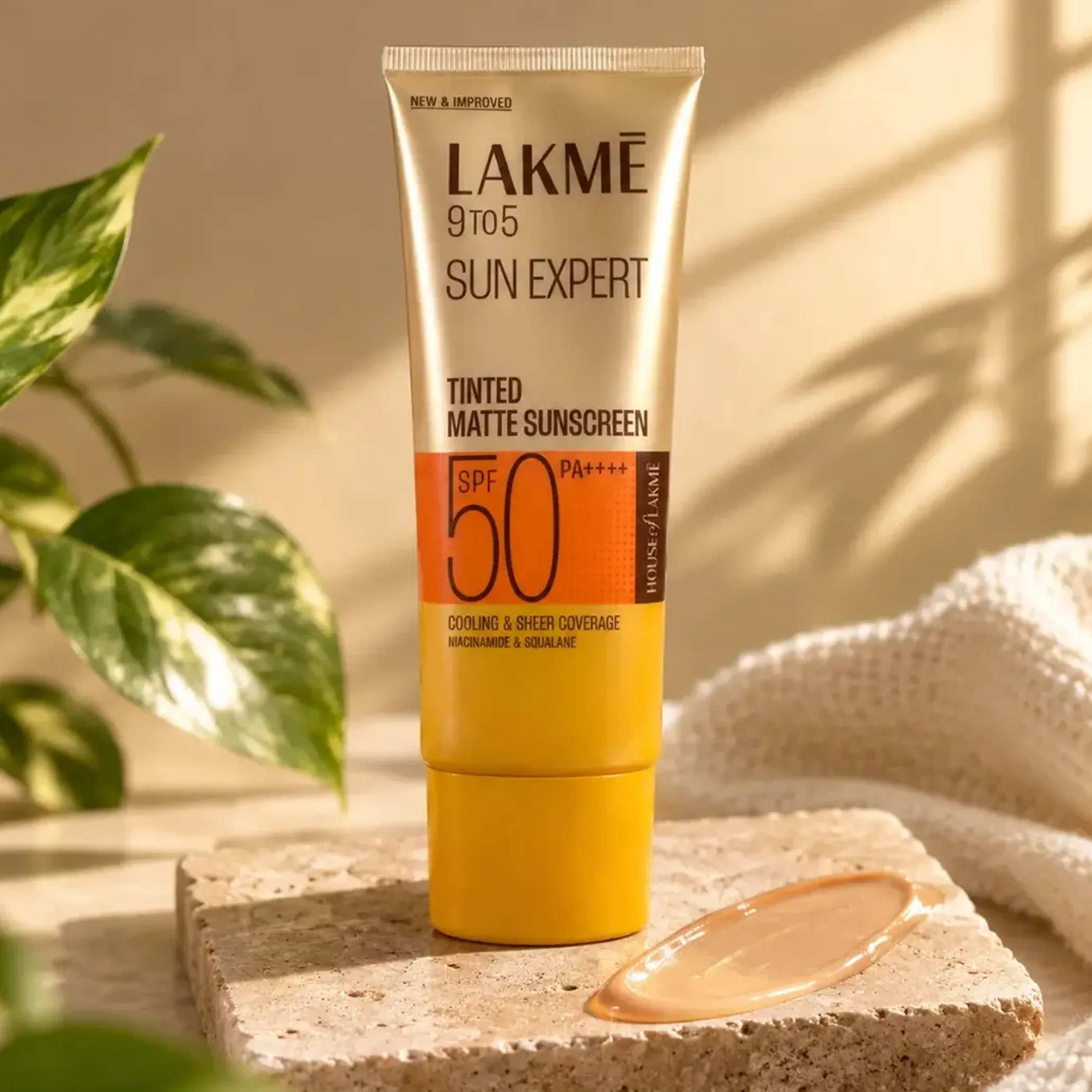
All the best SPF from Australia will be of little avail if you are sparing with it or rub it off in short order. Most failures are of a prosaic nature.
Stick to the usual: put it on 20 minutes prior to any sun as per the directions, then again every couple of hours or after a swim or towel-dry. A gentle pat and spread is preferable to rubbing for sensitive skin.
On How Much And When
An even film over the skin is the aim. If the feel of facial sunscreen is off-putting, try two thin applications a minute apart in lieu of one gloopy layer.
When you have a day out ahead of you, a trek to the Surf Coast from Melbourne or a bushwalk in the Daylesford area for instance, do a proper full-body application before you set off. Once you are there, between the sand and the kids and looking for a dunny, it is not so easy to be meticulous.
A Routine
- Start with your moisturiser and let it have time to settle.
- Put on your sunscreen a good 20 minutes in advance of going out and make sure to spread it about. A hat and the right clothes will also go some way to lessening the amount of product required.
- Once you are outdoors, reapplication is called for every couple of hours, or more often if you have been in the water or put in a sweat. Ears, the back of the hands, the top of the feet, your neck and the part in your scalp should not be overlooked.
Be a Sceptic of the Ingredients
When one has skin that is prone to reaction, what is on the ingredient list is of as much consequence as the SPF figure. Some label-reading can spare you money and aggravation.
It is a common error to hold the SPF responsible when in fact it is the formula, or perhaps the fragrance, drying alcohols and botanicals that are at fault. Additives may be all the rage but they can still put a roughness on your face.
Good Bets and Bad
Simpler formulas are easier to put your finger on if there is an issue; with sensitive skin, you do not want too many suspects. An alcohol-free and fragrance-free option is generally safer. Creams and lotions are preferable to an aerosol spray in that they are simpler to put on and you can tell where you have made coverage.
Then there are the highly fragranced products and those with a finish so drying it stings the eyes in no time. One would be optimistic to think such irritation will pass.
A Calm Approach to Eczema, Rosacea and Acne
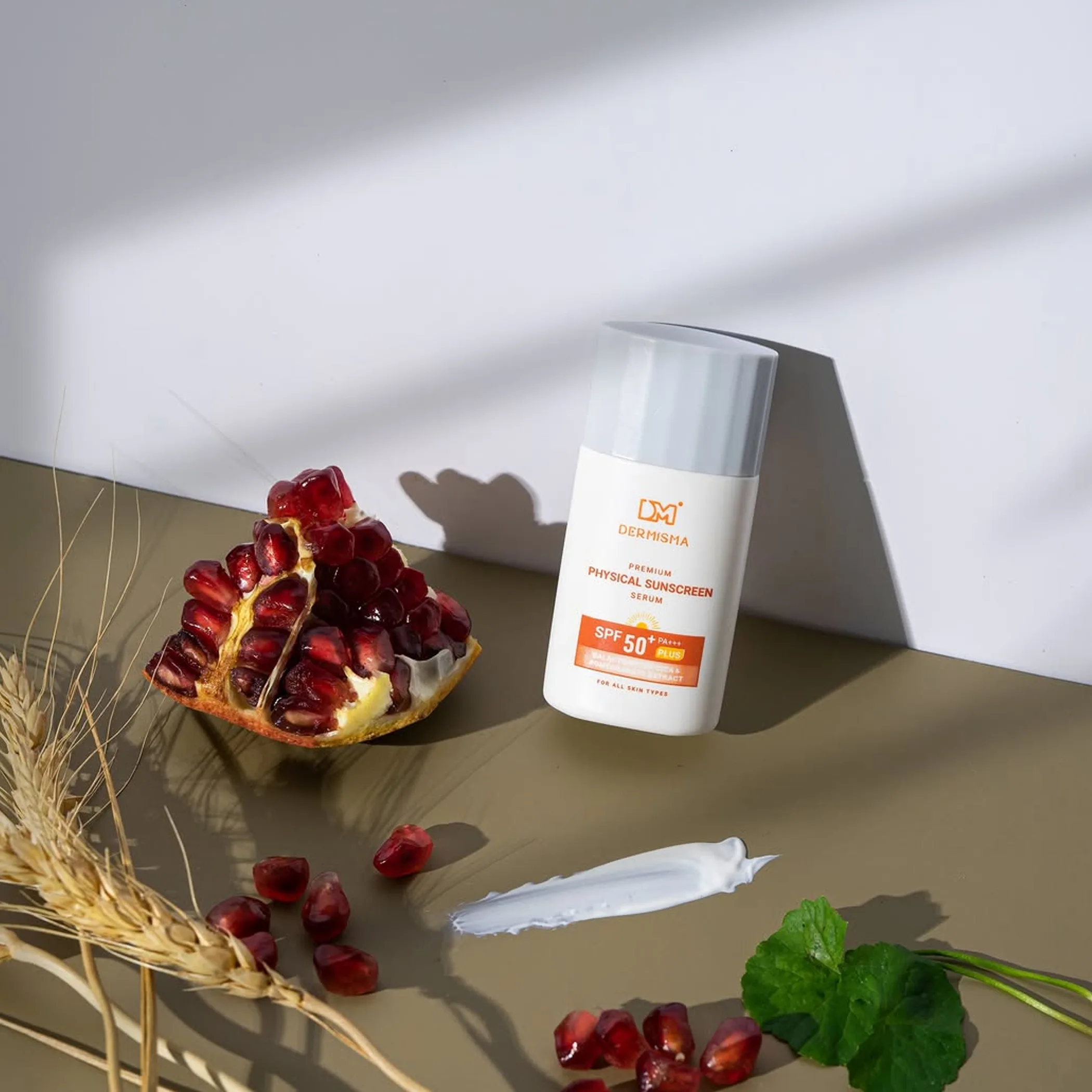
You will not find a single sunscreen to suit eczema, rosacea or acne. Every condition has its pitfalls, and the heat, wind, salt and dry air of an Australian climate will only add to it. I have known travellers to pack a trendy item and put their faith in it, having done everything by the book, only to come to grief. When you have a condition, it is wiser to remain with what your skin is used to.
Eczema and Dry Skin
The eczema-prone type of skin is happier with something richer and without the extras. Make application of a plain emollient first in your routine and let it do its work before the sunscreen. Should you find the sunscreen is burning on active eczema, get some medical opinion instead of seeing it out.
Rosacea and Redness
Mineral sunscreens, particularly those with zinc oxide, are less stingy and thus well suited to rosacea. But then again, shade and not being in the midday sun are as important as the product in avoiding a flush from the heat.
Acne-Prone Skin
Here you need broad-spectrum protection in a lighter texture. Non-greasy is fine but not if it is not tolerated. If breakouts are the result, put down the offending sunscreen and patch test another; do not forgo daily protection.
After a Procedure
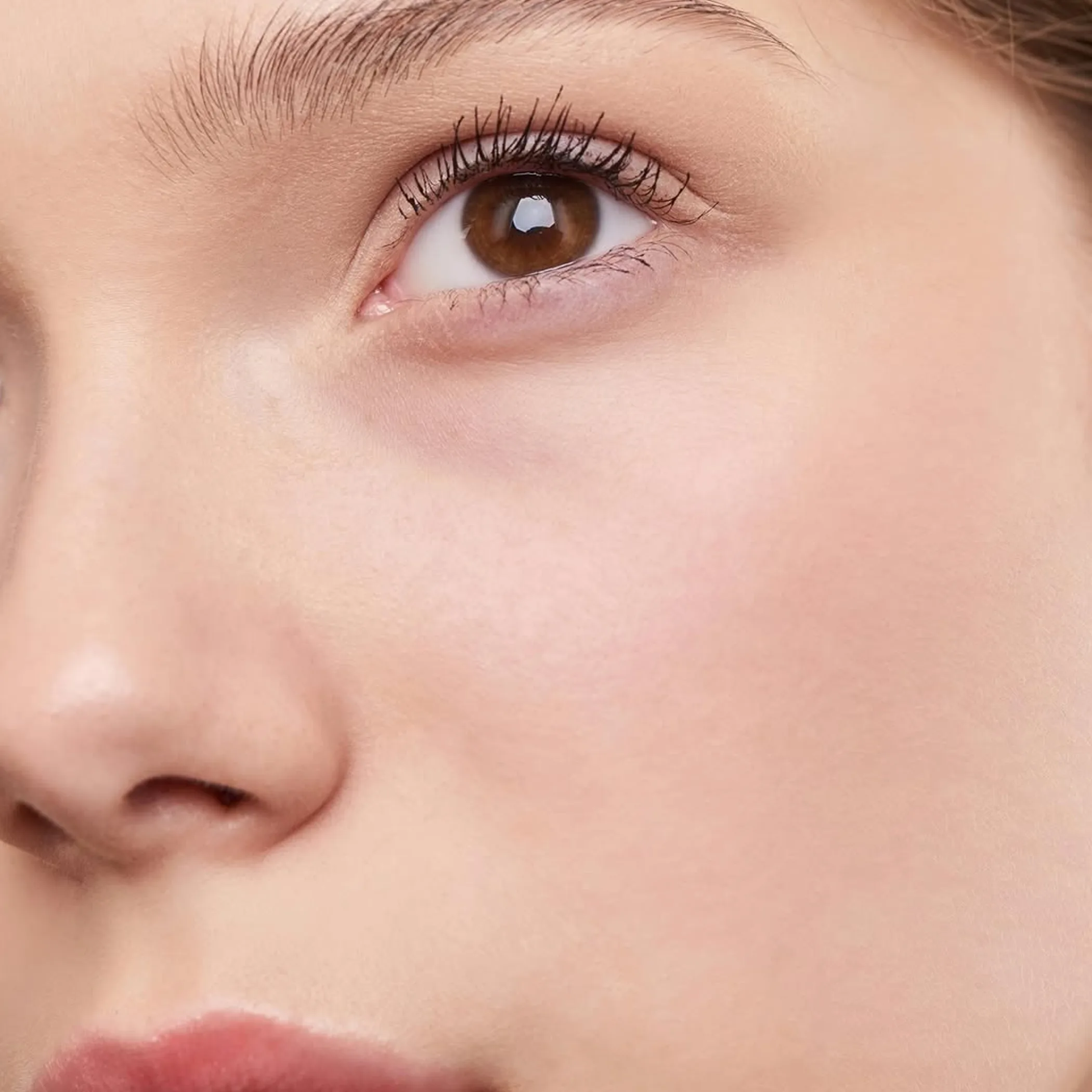
Experimenting is not for freshly treated skin. The barrier is weakened after microneedling and normal products can bring on redness and irritation.
As for sun protection post-microneedling, heed the clinician who treated you. Do not be in direct sun, make use of hats and shade and wait until you are told the skin is ready for sunscreen. The depth of the treatment and the device employed will dictate the advice.
Post-Microneedling in Practice
Some would have you believe you need as much SPF as possible straight after a procedure. Not always the case. At first your skin may have none of it. You are better off making physical barriers your defence: stay in, eschew peak UV, put on a wide brimmed hat and make do with indirect light.
And when you do start up with sunscreen again, clinicians will put you on a gentle mineral one to avoid the sting. It is at this point people will be on the hunt for a product and make the mistake of one with a host of actives and fragrance. Keep it unadorned.
If you have a beach day or long drive in mind for the week following treatment, consider putting it off. Your skin in that state and the Australian UV do not mix.
Patch Testing
It may seem like fussing but a patch test will save you from a full-face flare the night of a wedding or when you have to be at work. For reactive skin it is worth the trouble with any new sunscreen. The philosophy of Daniel Crowe is straightforward: put down any pretence that your skin will not have another fit if it has in the past. Do a test, and you will have fewer regrets.
Patch Testing Your Sunscreen
To do a proper patch test, put some on an inconspicuous part of the inner forearm or the jawline and for a day or two see if there is any sign of irritation; follow what the product instructions and your clinician would have you do. Should you get a rash, swelling, stinging or itch, discontinue use.
More serious matters such as unexplained repeated irritation, very active dermatitis or severe reactions, or indeed recent procedures, are no time to be experimenting. Put in a call to your GP, a dermatologist or pharmacist. The Find a Pharmacy service is on hand for support, but a significant reaction should be given a medical assessment.
Relying on Australian Guidance

Do not put stock in the kind of conjecture one finds on social media when looking for sun safety advice for sensitive skin. Better to go with the health authorities. You will find more substance in the work of the Cancer Council Australia, SunSmart, the Cancer Institute NSW, RCH and the pages of Australian Prescriber than in a random comment thread.
SunSmart’s public guidance is clear on this: once the UV is 3 and up, put on some protection. The official word can be had from SunSmart Australia’s UV and sun protection guidance.
A Matter of Risk
Prevention is a message that is hard to escape in Australia given the country’s skin cancer toll. The ABS and the major cancer agencies make it plain how prevalent it is here. Sensitive skin is no shield against it; fair or reactive complexions only underline the need for caution.
And as for the talk of a “sunscreen scandal”, one should distinguish between a controversy over a particular product and the evidence at hand. Public health bodies are still of the opinion that a combination of shade, hats, sunglasses and broad-spectrum sunscreen is the way to go.
Be Consistent
There is nothing complicated about a good routine for 2026, it is merely consistent. Have a look at the UV index, put on an SPF50+ broad spectrum you can stand, apply and reapply as you should. Patch test anything new before a big day out.
If you are prone to being a little touchy, leave the miracle cures alone and put together something for everyday use: a hat you will wear, a pair of sunnies, a sunscreen you tolerate and the sense to get out of the sun before you are as red as a traffic cone. It is a system that will serve you in Australia.
Frequently Asked Questions

Most of these are asked after one has been caught out.
What does Australian guidance say on sun exposure?
In short, protect yourself when the UV index is 3 or more. That entails more than just sunscreen; think clothing, a hat and shade as well.
Is there a sunscreen scandal in Australia?
You will see the term in the media in relation to disputes over testing or labelling of certain sunscreens. It is not cause to ignore the public health recommendation for broad-spectrum products. Leave the gossip and go by the regulators.
Which is the safest option?
It is not a one size fits all proposition. For the sensitive skinned, a practical answer is a fragrance free, broad spectrum formula that has been tested by a dermatologist and that your skin will put up with. Some opt for zinc oxide or titanium dioxide but it is a matter of individual tolerance.
What are the 5 SunSmart rules?
Slip, Slop, Slap, Seek, Slide. Slip on a shirt, slop on the sunscreen, slap on a hat, seek some cover and slide on your glasses.
Indoors or in the car?
For a few minutes inside away from a window, probably not. But on a long drive in Australia, the face, neck and hands are exposed enough to make sunscreen a sensible thing to have on. People tend to underplay that sort of exposure.
