There is a way to make solar hot water integration with PV in Australia pay off: put the energy from your roof into heating water rather than exporting it to the grid and you will see daytime electricity use fall. The sensible approach for most homes is to have solar PV in tandem with an efficient heat pump or what is already there in the way of electric storage hot water. A purpose built solar thermal system has its place in some households but is not to be taken as the default best option.
Daniel Crowe here from central Victoria, where one does not want to be without a hot shower on a winter morning; it is less of a luxury and more a matter of being civilised. What makes sense will be dictated by your budget, the climate, tariff, what equipment you have and how the household goes about its business with hot water and energy. I have put together this guide to lay out the options in plain terms and point up the things that tend to trip people up.
Working With Solar Hot Water And PV
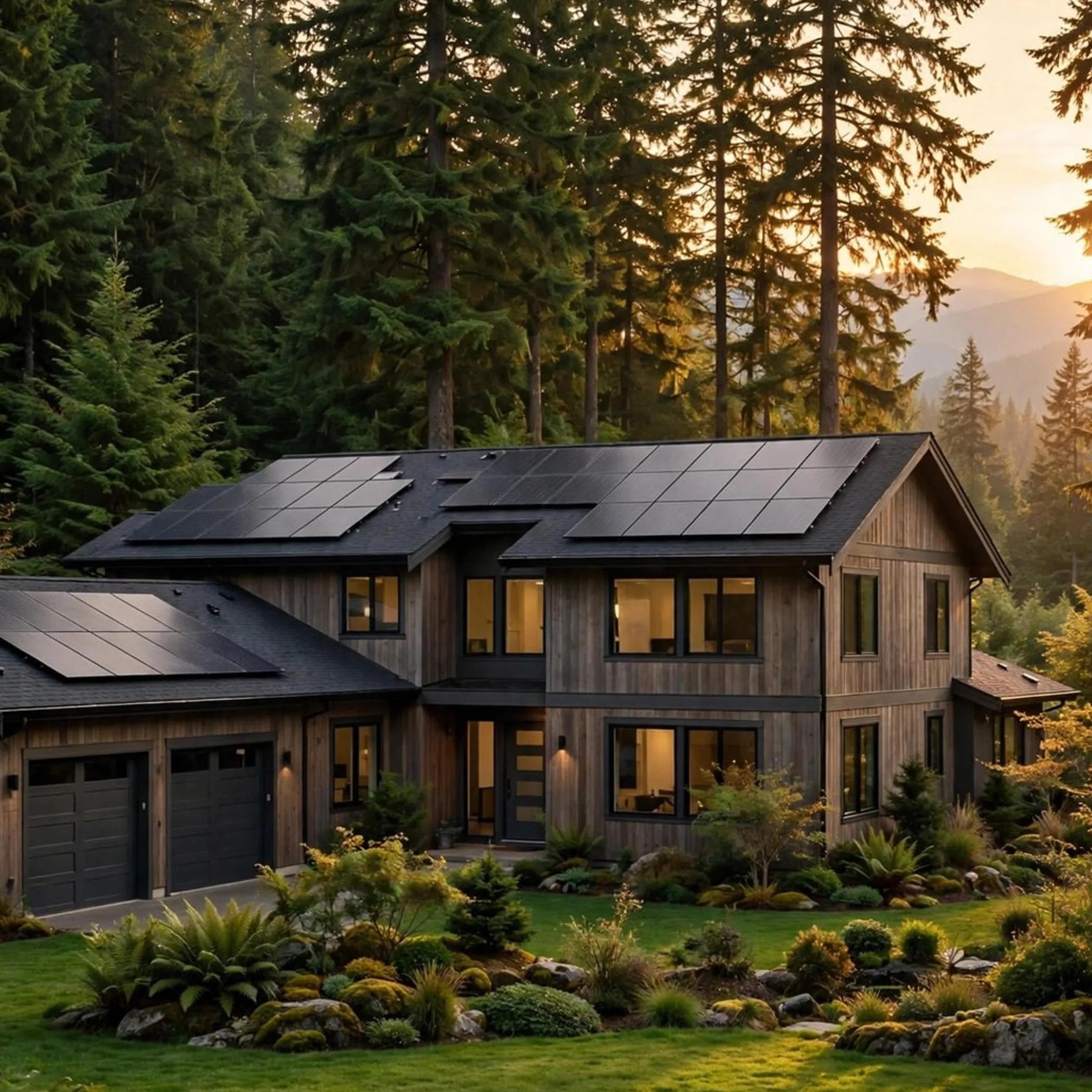
In short, photovoltaic panels are used by solar PV to make electricity from the sun while solar hot water will employ either solar thermal or electricity to warm water for the tank.
The objective when you combine them is to make use of any excess generation in the day so as to be less dependent on the grid, especially when the feed-in tariff is not as good as putting the electricity to work yourself and curbing evening consumption alongside simple habits to lower energy bills.
Making Supply And Demand Match
It is common for a rooftop installation to put out its best around midday yet the bulk of hot water is used in the morning and evening. You can get round that with a storage tank which converts the day’s solar into hot water in reserve.
That is why a system will do its job even if the house is empty for business hours. While the sun is at it, the tank is heated for later. It is nothing mysterious, just a case of timing, which is as well given the number of unexplained looking boxes an electricity system can have.
A Few Ways To Integrate
You will find Australian homes opting for a dedicated solar hot water system, a setup with a solar power diverter or a solar PV hot water system. All are viable but they come from different premises.
Going for something new and shiny that does not take account of your existing gear or the way you live is a recipe for an expensive addition to the side of the house. The right system is the one that complements what you have.
| Option | How It Works | Best Suited To | Main Limitation |
|---|---|---|---|
| PV with electric storage | an element in a storage tank is run on solar electricity, typically on a timer | an existing electric storage system | a standard element left to poor timing will consume a fair bit of electricity |
| PV with heat pump | the photovoltaic electricity puts a high-efficiency heat pump through its paces | those looking to put in a new system in place of an old electric one | the cost of installation and the system itself |
| PV diverter | any surplus from the solar is sent to the hot-water element | where there is an electric storage tank and spare solar | one has to contend with compliance and controls |
| Dedicated solar thermal | the panels do the heating directly, backup aside | with the right roof and access to the sun | extra plumbing and the odd overheating or shading problem |
Electric Storage Or Heat Pumps With PV
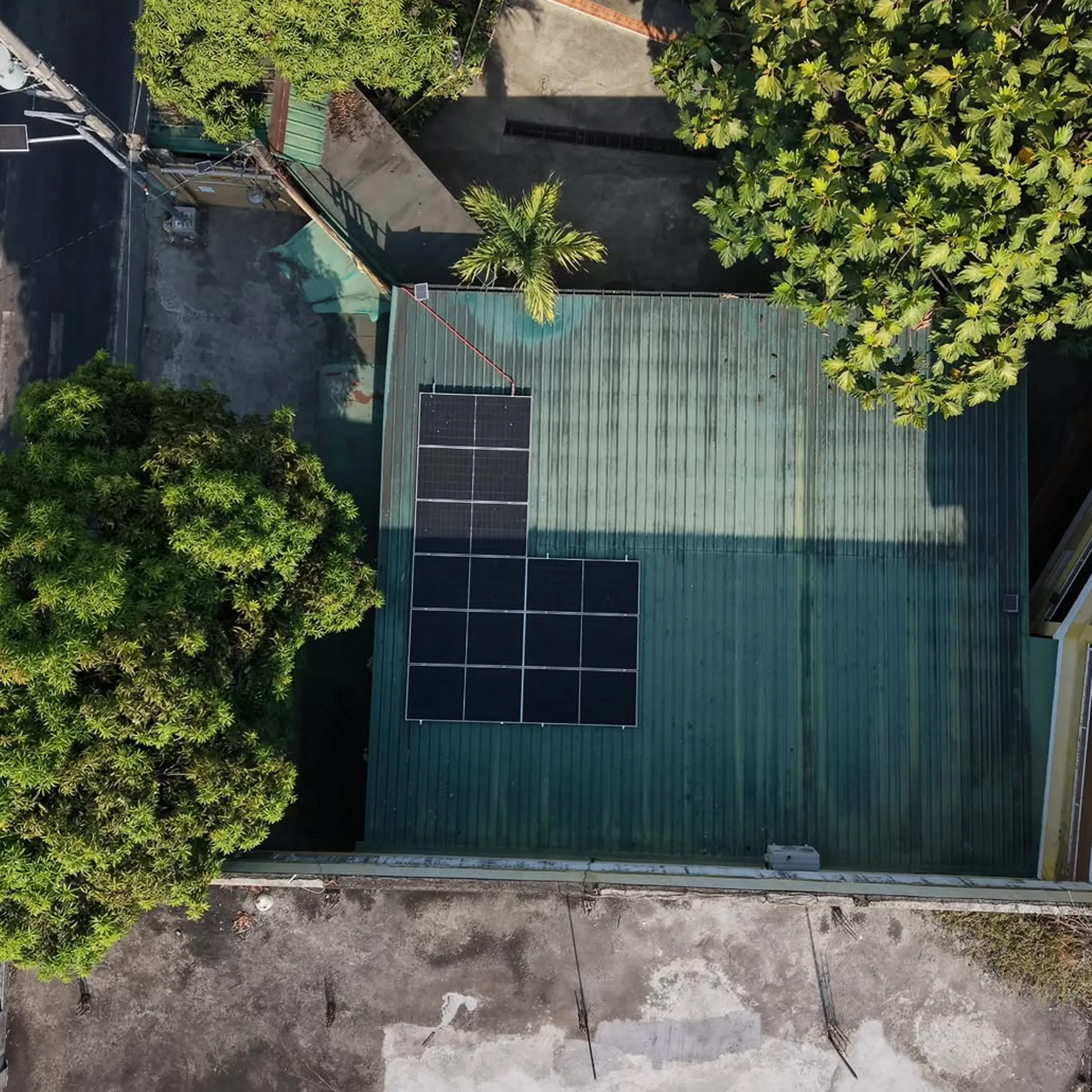
Do not think the panels are wired straight to the shower. They make the electricity to run a heat pump or conventional element off a storage tank. In Australia a heat pump with solar is hard to beat for efficiency and comfort with an eye to the future. You will use far less electricity than a normal element to get the same hot water, provided the installation is of a quality and the settings and demand allow for it.
Electric Storage Systems
An electric storage system is no mystery and is likely to be in situ. Set a timer for the late morning or early afternoon and the element will run when the PV is available. The problem is the timer cannot tell if it is overcast and will pull from the grid all the same. One could put in a solar controller for better control but the hardware has to be worth the outlay.
Heat Pump Efficiency
As for a heat pump, it is a question of taking heat out of the air and into the tank. While it is an electricity user, the unit will put out more heat for every kilowatt it draws than a conventional element.
There are drawbacks to heat pumps in the way of noise and the requirement for adequate airflow; cold weather can also slow their recovery time. In an inland town with some frost, where one puts the equipment is of consequence. One would not want the outdoor unit by a bedroom window to be as loud as a fridge with a purpose at 5 am.
A PV Diverter For What You Already Have
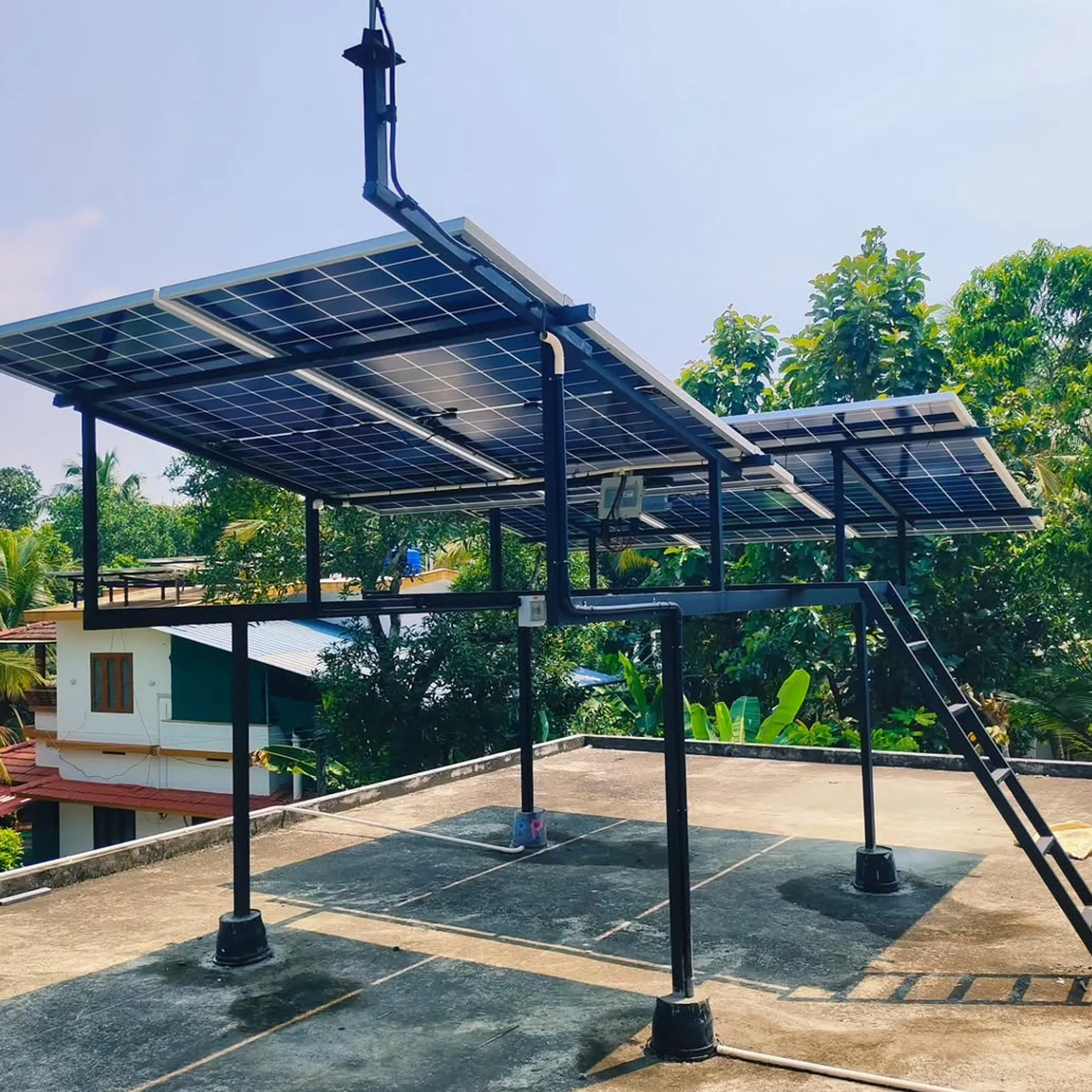
The function of a hot water PV diverter is to keep an eye on household demand and solar output. Should the photovoltaic panels make more power than the house calls for, the diverter will direct a portion of the surplus to the hot-water element rather than exporting it.
For a home that has an electric storage system amenable to diversion control and is already running on solar, this is a means of upping self-consumption economically without having to do away with a tank that is still in good order.
In Practice
A solar power diverter does not conjure additional energy from the sun, it merely diverts where the surplus is spent. The system might ease into the heating load to make use of excess generation instead of putting a large element on full power.
How much value there is will be determined by the size of the tank, what the grid would have supplied, your export rate and so on. If the present tank is of an age or badly insulated, a heavy outlay on a diverter is hardly sensible.
Matter Of Compatibility
Have the installer verify the warranty terms, switchboard capacity, wiring and the rating of the tank’s element. A few systems call for extra protection or a circuit of their own. It is best to get a written compatibility check before you put pen to a quote; do not think any diverter is going to play nice with any inverter, battery or meter.
To Go With Solar Thermal Or PV
One does not go with solar thermal over PV because it is the superior technology, but because it makes better sense for the roof space, maintenance and budget at hand.
Thermal panels are a direct way to heat water and give good output when the sun is out. PV is more accommodating, powering not only the hot water but batteries, appliances and other electrical needs, which is worth something as the home’s energy profile evolves.
Dedicated Systems
An Australian household might opt for a dedicated set up: a controller, backup, a tank and the solar thermal panels on the roof. This can be a split system or close-coupled. Provided the roof has northern exposure and is free of shade for the collector and tank, solar thermal can be very effective, assuming due regard is had for local plumbing, water pressure and the odd frost or high temperature.
PV Offers More Flexibility
Then there is the flexibility of PV. The same system that charges a vehicle or runs the cooking and refrigeration can be put to work on hot water. And if priorities shift, the panels are still there for those other loads. Not that PV is always the cheaper option. Where there is a lot of hot-water need and good access to solar thermal, direct heating has its appeal. But with a PV system already in situ, a heat pump or diverter is the usual preference.
Household Fit
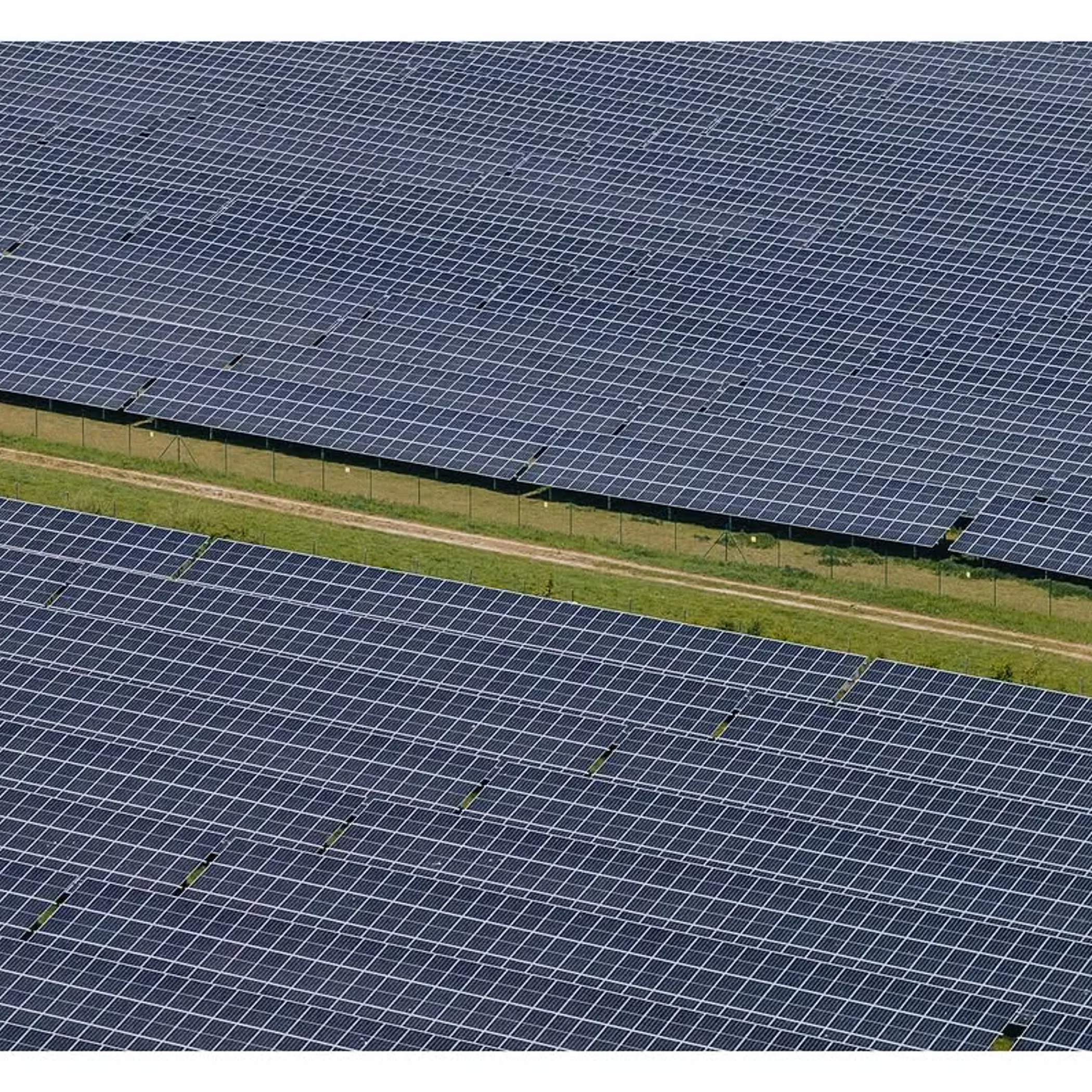
Integrating solar hot water is a way to make use of energy while the home is otherwise quiet and lessen the draw on the grid. It may also mean less dependence on a feed-in tariff that does not cover the cost of later purchases.
But there are limits. Cloudy days and winter see a drop in production and one cannot do without stored or backup heat for night-time use. Useful though the technology is, it does not override the forecast.
Who it is for
Two or more residents with a routine for hot water and an electric tank, or perhaps a system coming up for replacement, will find it suits them. A larger, well regulated tank is of benefit to families with heavy use in the morning and evening. Water heating energy usage represents a significant portion of household consumption, emphasizing the importance of efficient solar integration.
Not so much for the small household with little demand or a roof in the shade, or one with restricted switchboard capacity. Those in an apartment have to contend with body-corporate and metering issues as well.
What to expect
What to expect is not free hot water from the panels day in and day out. The reality is an upfront cost and some upkeep, to say nothing of the seasonal and weather dependent nature of the output.
What is expected of a diverter is that it will invariably put more in the bank than exporting your solar. In practice one finds the outcome is dictated by the gap between the feed-in tariff and what you pay for electricity, to say nothing of the cost of installing and running the system.
Costs, Savings, Rebates And STCs
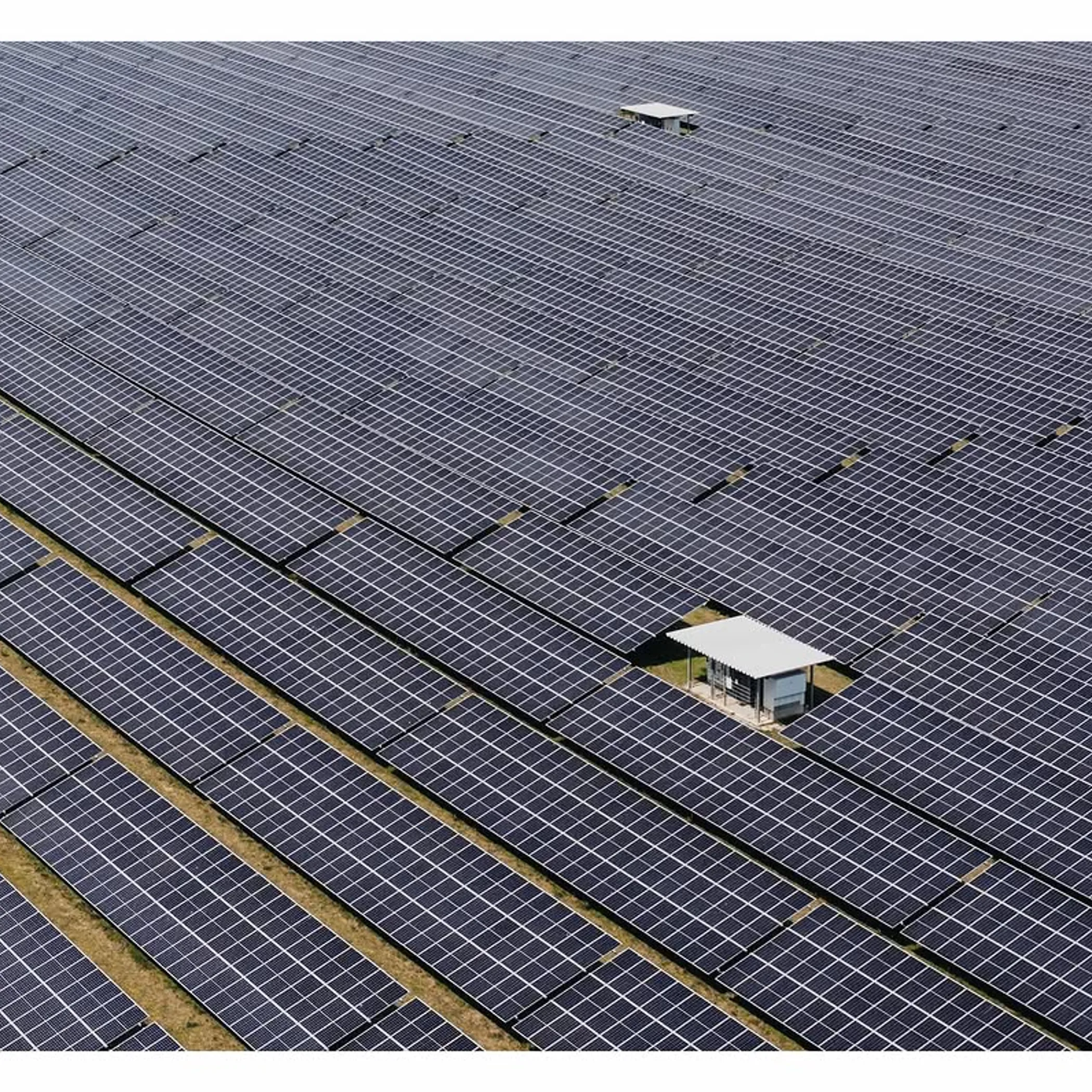
The outlay for a solar hot water system in Australia is not uniform across households. Tank capacity, the kind of system, roof access, any plumbing or switchboard alterations, electrical work, controller hardware, where you are located and the installer’s schedule will all have a bearing on the price.
By way of planning, it is better to look at the total installed figure as opposed to the equipment cost in isolation. A quote that looks too good may be omitting the like of old-system removal, concrete bases, commissioning, electrical compliance or the extra pipework needed for a difficult roof.
Understanding The Money
Put some numbers to it: how much hot water usage does the household go through, when is the PV putting out electricity and what is the grid consumption of the present hot-water setup? Your inverter data and the bills will tell you more than a generic claim to savings.
Take a home with most of its hot water usage at night; there is more to be had from a sizeable tank and daytime heating. Where demand is high in the day, less solar is left over to be diverted. It is a matter of personal arithmetic.
Then there are Small-scale Technology Certificates (STCs) which some renewable systems can qualify for. But do not sign a contract without checking the Clean Energy Regulator’s Small-scale Renewable Energy Scheme for the latest on values, eligibility and what is required of an installation.
Rebates available in Australia are subject to the vagaries of state or territory rules, the product, the installer and the household situation. Consider an advertised rebate conditional until you have written confirmation from the government agency in question.
To Make The Most Of Daytime Solar
With the right control settings a modest system can be made to do more. One has to balance heating sufficient water in the solar window against the prospect of being left wanting after a few cloudy days.
There are small things to be done to ease the energy bill such as shorter showers, sensible thermostat use and mending a tap so as not to reheat water for no reason.
A Practical Checklist
- Size the tank to the residents and their showering habits.
- Have a look at the inverter for the peak of solar generation.
- If it is safe to do so, time the heating for midday.
- Make sure there is backup for the odd run of bad weather or unseasonal demand.
- Inquire if the system is capable of stopping two high-power loads at once.
- And have the installer put the controls, safety and temperature to the test.
Where a battery is in place, think about the priorities. Hot water will store the surplus PV as heat more cheaply than buying into more battery, but it will not power your lights come evening. They are two different solutions.
On Selecting An Installer And System
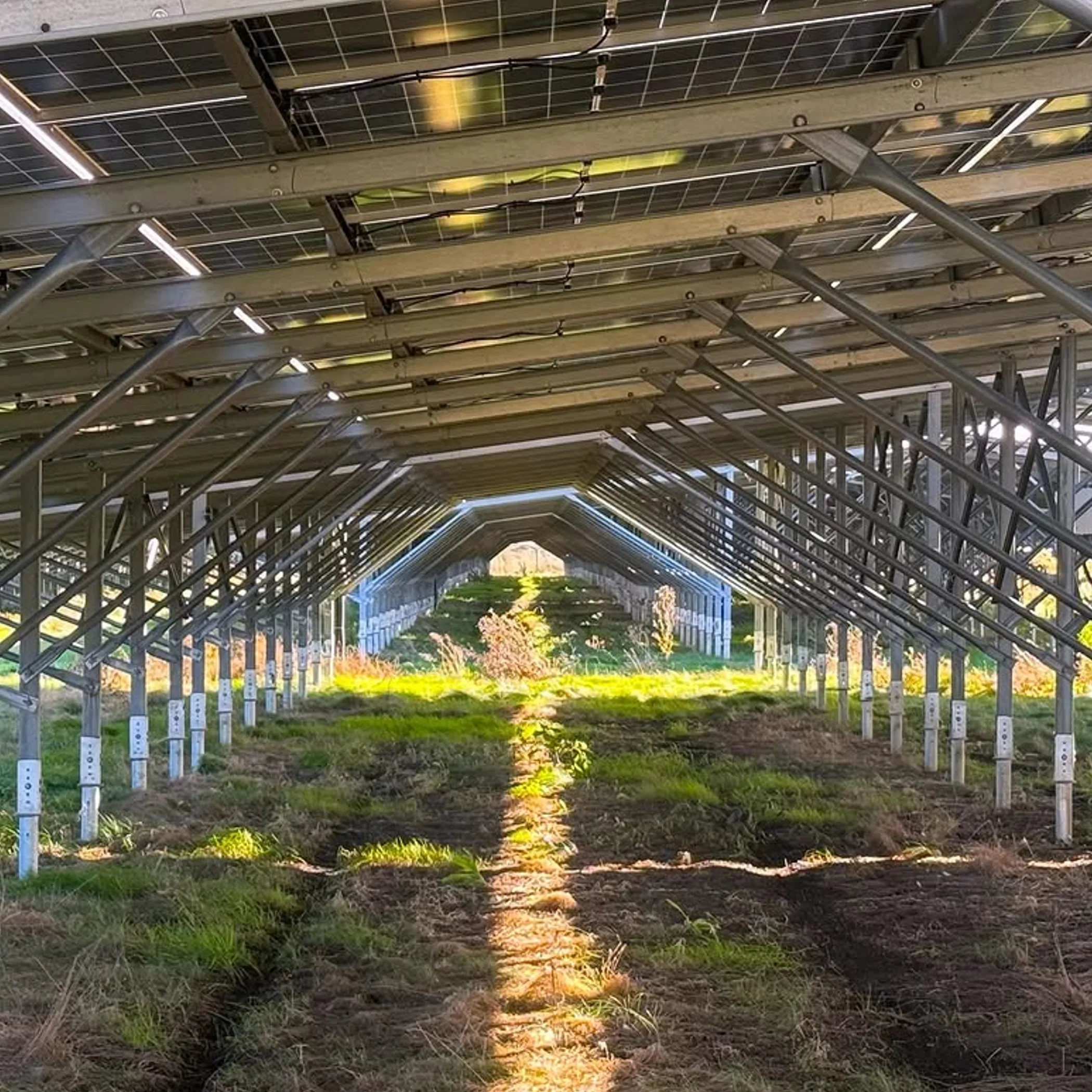
Let the sales brochure be secondary to what you already have. An installer of merit will have a good look at the roof, the tank, the inverter, meter, pipework, shading and how the house is used before he puts in a recommendation for a product.
An itemised quote is in order, along with the warranty, operating parameters and a straight talk on what occurs in a blackout. Should the salesman need to make gestures at a glossy diagram to make his point, leave your wallet where it is.
Some Questions To Put To Them
- Is my inverter and PV to be part of the new system?
- How does it fare in winter or an outage?
- What do the warranties cover in terms of labour and product?
- Are the STCs and rebates factored in and who is on the hook if eligibility shifts?
- What approvals are called for from the building and plumbing side?
Engage a team with the proper licences and solar hot water experience. Put away the serial numbers, certificates and commissioning results for posterity; current-you may not recall where the paperwork has gone and future-you will thank you for it.
FAQ
Will PV Panels Run The Hot Water?
They can, be it an electric storage element, a heat pump or a diverter, provided there are the right controls and enough output from the solar, with something to fall back on when production wanes.
Heat Pump Or Solar Thermal?
A heat pump with PV is more flexible in most homes as the PV is free for other loads. Solar thermal has its place in a home with good access to the sun and a liking for direct water heating. Do the maths on the installed cost.
The Function Of A Diverter
It is to channel any excess from the PV to a hot-water element of the right type. Self-consumption is raised by putting the surplus to use. It will not make up for a tank that is faulty or too small.
Can I Put Rooftop Solar On My Electric Tank?
In many cases. An electrician should verify the circuit, the element, the tank and the switchboard before a timer or controller is put in.
Any Guarantees On Rebates Or STCs?
None. It is a question of documentation, location, the scheme and the product. Do not put a certificate value in your budget without verifying with the government first.
Integrating Hot Water Into The Solar Plan
For Australian households the best way to integrate solar hot water with PV is to see the former as a form of flexible storage. A well-run electric tank or a PV with heat pump is often the practical way to higher self-consumption. A diverter has its uses if the tank and system are amenable to it, as does solar thermal under the right circumstances.
Do the measuring, compare the full cost of the install and find an installer who is not afraid of the unglamorous details. That is the way to get dependable showers from the sunshine rather than have an expensive contraption on the roof.
