You could call it a tale of migration and good lunches as much as hard work. Italian migrants have been instrumental in the making of Australian vineyards, be it through commercial viticulture, irrigation or an abiding conviction that one should have wine with one’s meal.
There is an Italian hand in the regional character of Victoria, New South Wales, South Australia and Western Australia, not to mention the Riverina or King Valley. One will find their legacy in the cellar doors, the recipes, the oral histories and in the confidence with which Australia now puts forward its Italian grapes. I am Daniel Crowe, here to set out the practical history of all this, what to make of it when you visit and where most travellers are mistaken.
How Migration Altered Australian Wine
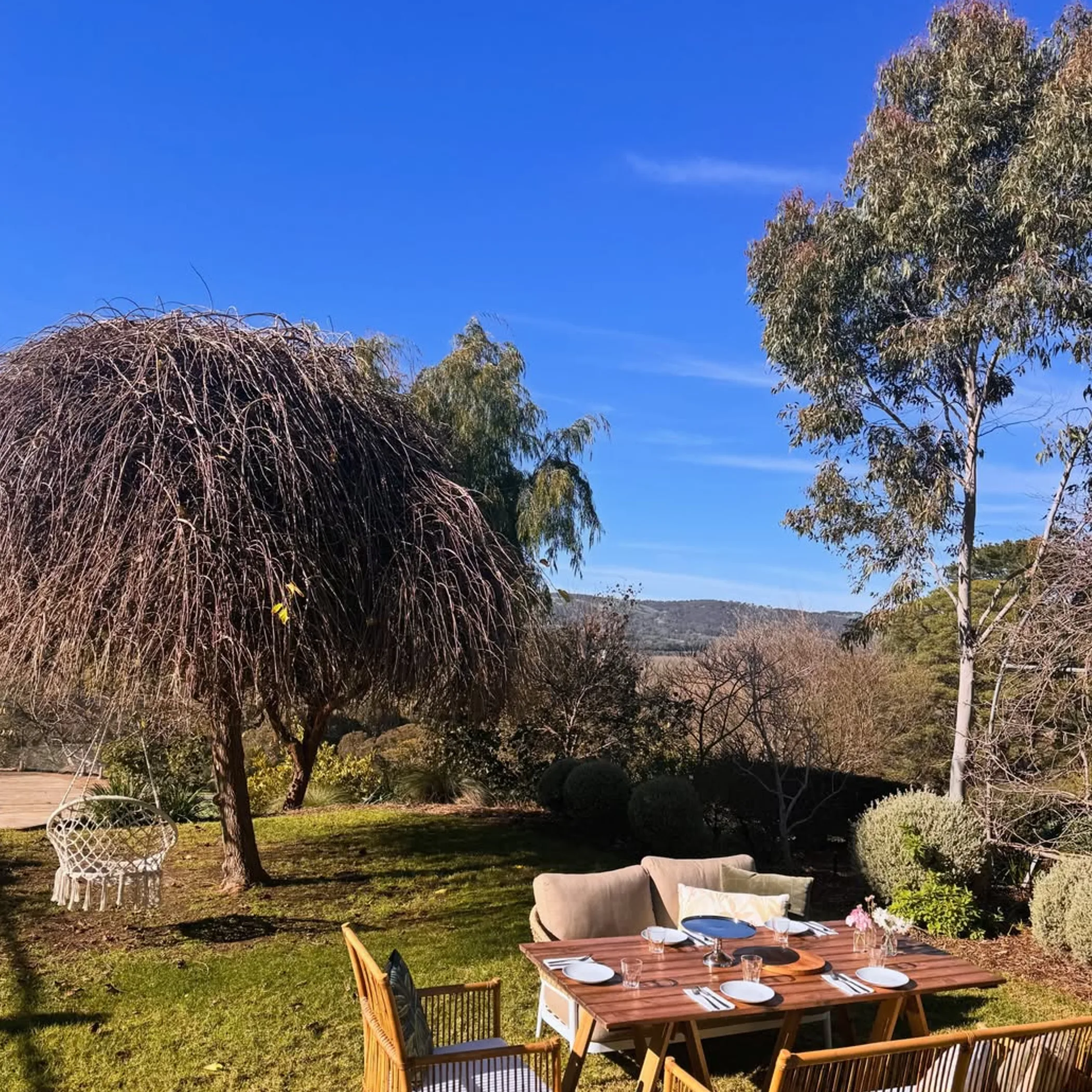
For the Italian migrant, the link to Australian wine is as much agricultural as it is about winemaking. They came with a working knowledge of seasonal farm labour, fruit and vines and how to preserve food, and made those skills suit the bush. This helped shape cuisine and wines across Aussie regions.
It was no matter of simply imposing European ways. With soils they did not know, erratic rainfall, the distances and a climate that can be as rough as guts, families had to adapt. What emerged was a brand of Italian influence on wine that was unapologetically Australian.
From the Kitchen Garden to the Vineyard
Land was for the community and the household, so an Italian family would have vines, olives, poultry and a vegetable patch all in one, more of a food system than a farm with a single purpose.
Commercially it was significant. Grapes were for the table or for drying, to be sold fresh or taken to the winery. Small plantings of old became proper vineyards and informal ways of doing things gave way to professional viticulture. The vigneron was rarely some dashing type in linen; he was more likely to be sporting a sunburn and muddy boots with a ute of questionable vintage.
A Multicultural Industry
The industry in Australia is more multicultural for it. The winemakers among Italian immigrants did not go it alone but put in with local workers, other post-war arrivals from Europe and those already established.
According to the 2021 Census from the Australian Bureau of Statistics, over a million put down Italian ancestry. Self-reported figures can be anything and people may claim more than one, but the numbers speak to the size of the community exerting this cultural pull.
Vineyards Put Down by Post-War Families
In the wake of the war, families came to Australia in search of a future and steady employment for their children, altering the agriculture of the region. Horticulturalists and tobacco men found a place in commercial grape growing.
Some of these family concerns started with little more than a shed, a couple of acres and whatever machinery could be put in common. The challenge was to hold the interest of the younger ones when there were city wages to be had.
The Case for Irrigation
Where the rain could not be trusted, irrigation settlement put control back in the grower’s hands. Round Griffith and the like in the Riverina, water has underpinned a sound agricultural economy.
Risk is still there in the form of market prices, smoke, hail, salinity and heat. But for a winery looking to buy in volume, irrigation is the basis for a consistent output.
Modern Business and Family Ties
At a family-run winery in Australia you will see modern systems and old ways coexist. While one is at the harvest or the pruning, another is putting in time with export forms or running the social media page after school run.
Do not be fooled into thinking a family operation is a small hobby. Some have the technical know-how, the distribution and the production to match. There are accountants and lab tests and food-safety rules to contend with, the family narrative notwithstanding.
Italian Wine in the King Valley
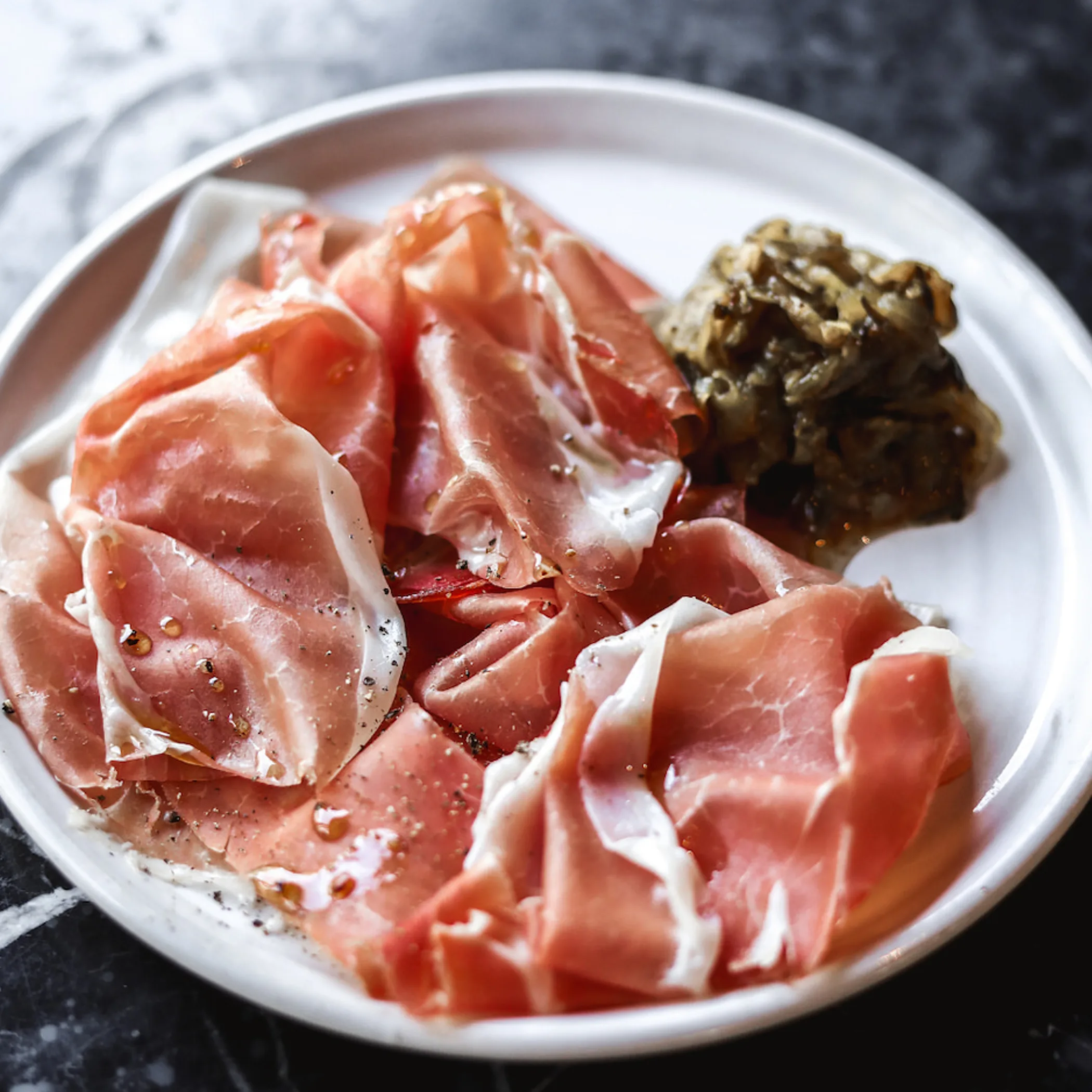
For a taste of Italian heritage in Australian winemaking, head to the High Country in Victoria. The King Valley has the mountain views, the cool-climate vineyards and a food scene that bears the imprint of migration.
Here a Nebbiolo or a Prosecco is not an oddity from overseas. Make of your visit what you will: eat well, put in some questions and allow yourself time for the drive back.
First Things to Taste
For a bright way to be introduced to the region, put some Prosecco to your glass first. You will find in the local offerings a fresh fruitiness and an Australian sharpness of use, all with a gentle texture. The savoury reds that go well with food are the province of Sangiovese for the travelling palate; Nebbiolo is for those who have the patience for a wine of greater structure.
One should not pass judgement on a wine for not being like an Italian bottle one knows. In Australia the conditions put a different spin on ripeness, tannin, acidity and alcohol. It is about seeing what a grape variety does when put in another setting.
King Valley: Some Practicalities
You will want a car to get around the King Valley as the cellar doors and places to eat are to be found off the rural roads. Make it a full day out from your regional base, longer still if you intend on a few tastings or a leisurely lunch. And do not think of the designated driver as optional; in wine country the road back has a way of seeming shorter than it is.
When the weather is warm, have water and a hat with you and make sure there are no bushfire closures before you set off. Cooler months see damp roads and early evenings. With mobile reception being unreliable at times, download your directions and leave the fuel tank well filled.
An Agricultural Memory in Griffith
The wider Riverina and Griffith bear witness to the influence of an Italian agricultural past on the regional economy. Irrigation made possible the vineyards, orchards and vegetable and commercial farming of the district, and in so doing forged ties between the land, its labour and the food produced.
Riverina Italian wine is of a piece with this. It is not divorced from agriculture but part of a working landscape where the harvest, water and family effort are of consequence.
Do Not Rush Griffith
Treat the town and its producers as more than a quick tasting detour. There is local history to be had and the Italian delis, bakeries and community events will tell you why the wine is better with a good meal. My advice would be not to try and fit Griffith in on a hurried morning between far off places. A long drive across inland New South Wales may be as flat as a pancake but that is no guarantee of speed; between the heat, road trains, roadworks and stopping for a meal, time is added.
In the Riverina
Open vineyard country can be unrelentingly hot in summer. Drive during the cooler hours, ensure the cooling system and tyres of the vehicle are in order and under no circumstances put children or pets in a parked car. Roads are apt to be busy and accommodation hard to come by at harvest time. For a festival or event book in advance. Otherwise, to taste in a relaxed manner, go on dates that are not peak and enquire at the cellar door if you need to make an appointment.
Italian Grapes in Australia
Sangiovese, Nebbiolo, Barbera, Vermentino and Prosecco are among the Italian varieties now grown here. They have their flavour but also the capacity to be resilient in a warming climate. Do not be led to believe by the marketing department that any old Italian variety is a magic wand for every region; the matter is one of soil, rain, elevation, irrigation and how the winemaker sees fit.
| Grape Variety | Typical Style | Where To Explore |
|---|---|---|
| Sangiovese | A savoury red with fresh acidity | In the King Valley and similar cool to moderate climes |
| Nebbiolo | Firm tannin and a structured red | The King Valley and some Victorian vineyards |
| Barbera | Bright and amenable to food | Victoria and warmer inland |
| Vermentino | A white with citrus and savoury character | South Australia, Victoria and beyond |
| Prosecco | Fresh sparkling | The King Valley and other parts of Australia |
Food and the Grape
Tomato dishes, hard cheese and grilled meat pair without effort with Sangiovese. The acidity of a Barbera will stand up to cured meats and a rich sauce and prevent the meal from getting too heavy. Then there is Vermentino for your seafood or a hot-weather lunch.
Prosecco might be thought of as a party wine yet it is suited to antipasti and lighter desserts as well as fried seafood. The best way to come to terms with a grape variety is to taste it alongside food, not on its own.
McLaren Vale
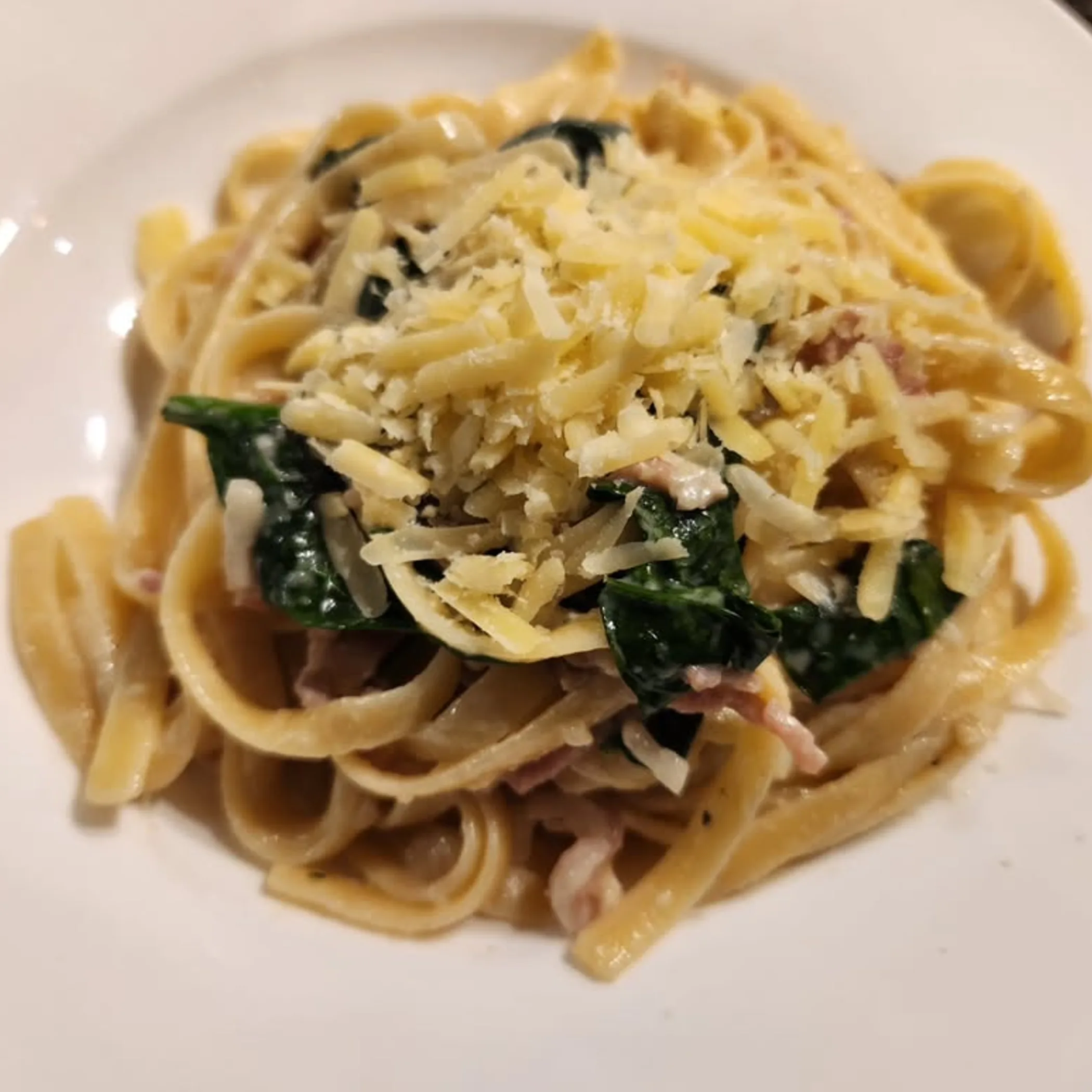
South Australia’s Mediterranean approach to agriculture and winemaking is evident in the Italian heritage of McLaren Vale. Its coastal location and the culture of the vineyards make it an obvious home for Italian varieties and the kind of food that goes with them. One comes across family businesses and newer plantings as well as the old hands. Some stick to what is familiar in South Australia, others put forward an expression of the region with Sangiovese and Vermentino.
A Tasting Day in the Vale
A day trip to McLaren Vale from Adelaide is quite feasible, though having a designated driver or booking a tour will put your mind at ease and be all the more pleasant. Do not make of it an exercise in collecting every stamp on offer in the district; pick a few cellar doors and have done with it.
Make sure you put aside time for a decent break, some water and lunch in between tastings. In summer one would do well to look out for any heat or bushfire advisories. And as tasting fees, opening hours and access are subject to change, it is best to ring the winery in question and confirm before you go.
Add the Barossa and Margaret River to the mix
There is more to the social history of the Barossa Valley than its German pedigree; Italian families and their winemaking are there too. A region’s wine identity is seldom the work of a single culture, it is the result of friendships, business and successive waves of migration.
Over in Western Australia you will find the hand of the Italians in Margaret River in the vineyard, in hospitality and in the newer plantings. Take the Credaro family, whose place in the wine history of Margaret River is testament to how over a number of generations a migrant can become part of the public face of a region.
Names that endure
In Victoria and the King Valley the Miranda family is synonymous with wine making, where cool climate and Italian tradition come together. While such names give a bottle its provenance, it does not hurt to put some practical questions to the winemaker on the style of production and the source of the vineyard.
To assume “Italian heritage” means you will get a certain flavour is a common mistake. One finds different things from the soil and climate and the market in each of the Australian regions where these families have made their mark.
Putting food and wine in their proper context

You see the Italian stamp on Australian wine culture in the way they approach food and drink. Wine is not something to be put on a shelf like a museum piece but to be had with lunch, talked about at a full table and part of a celebration.
It is this custom that has linked regional wine to local produce and the Italian table, and prompted the Australian consumer to move on from the fortified or the ordinary table wine in search of something that goes better with a meal.
Some traditions are hardy
Communal cooking, gardening and home winemaking have seen off the rigours of migration. The formal timelines of wine do not tell you who put in the first vines or which member of the family was prone to putting in a bit too much garlic; oral histories do. Such stories are no mere ornamentation, they account for why the cellar door is selling a regional identity as well as the product and how a vineyard comes to be an institution of the community.
An itinerary for wine country
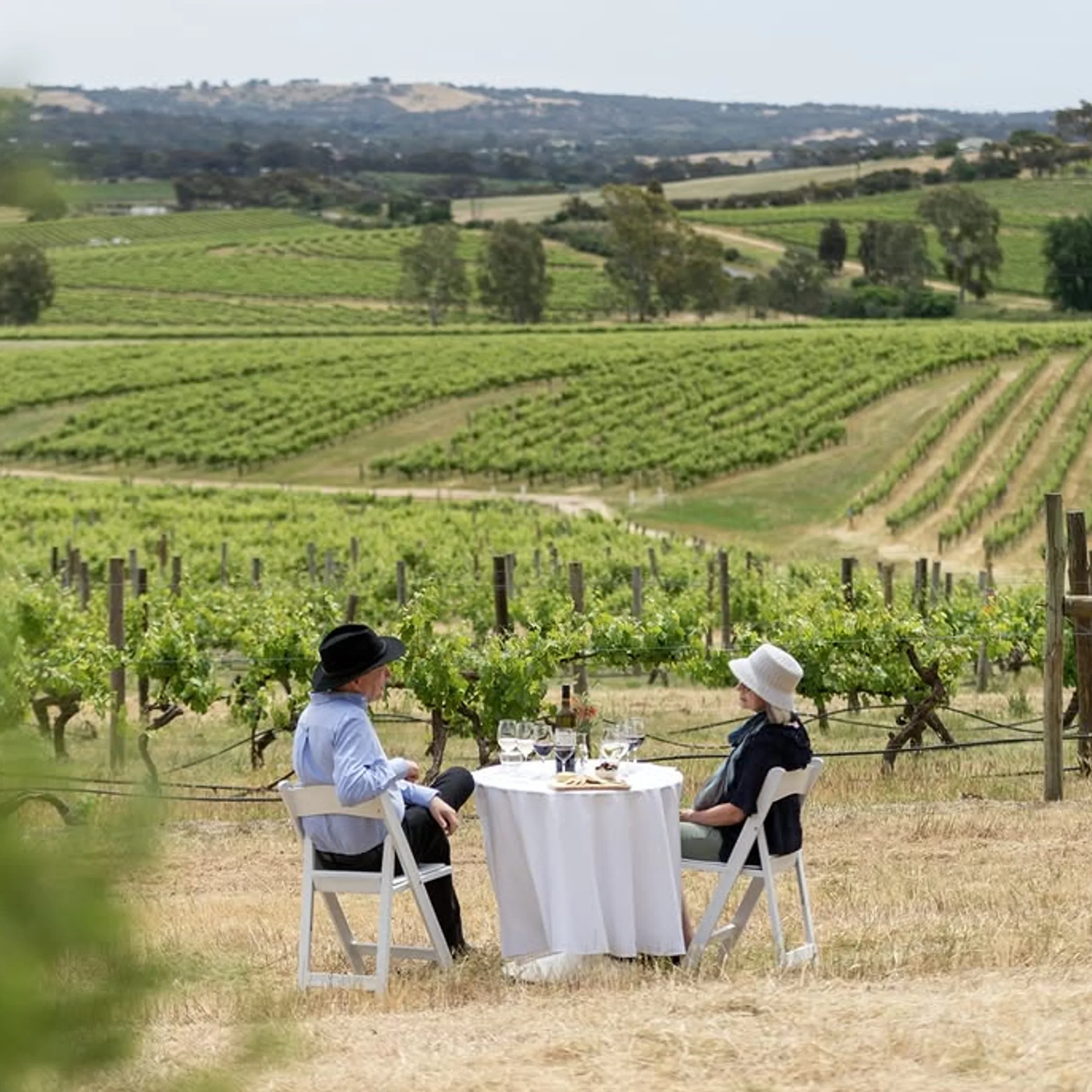
With the Italian heritage of our wine regions so far flung, what makes for a good route is a matter of your disposition for driving, your time and taste for food. You will be better served by a course of fewer stops and some good conversation.
Approach wine tourism as you would a working agricultural area, not just a line up of tasting rooms. Give the tractor right of way over your holiday plans, put some respect on farm gates and buy your food locally.
Where to make your choice
- For the High Country of Victoria, the family lore and cool-climate Italian varieties, head to the King Valley.
- The Riverina and Griffith will provide inland agriculture, an irrigation settlement and a solid Italian community.
- McLaren Vale is easily reached from Adelaide and has the South Australian wine culture and Mediterranean fare to recommend it.
- For a taste of the Credaro family story, coastal excursions and Western Australian wine country, make for Margaret River.
- Head to the Barossa Valley to put in some time with its well-regarded vineyards, the extensive food scene and a migration history that has depth to it.
A Practical One-Day Checklist
When you are limited to a day, put your efforts into the nearest region and have two or three cellar doors on the books. Make sure you know the opening times and if they will let you in with children or a dog; check on parking, accessibility, what is on offer for lunch and tasting.
- Have a licensed tour operator or someone who can drive.
- Be sure to have water, sun protection and a phone with charge in it.
- Before you set off, see what the road, weather and bushfire reports are saying.
- Do not be in a hurry on the country roads or for your tastings and lunch, give yourself more time than the map would have you think.
- Put only as much in the car as you can carry safely instead of overloading it.
Such places are ideal for the curious, for those with an appetite for good food or an interest in history and a more leisurely pace of travel. They are not for anyone who has an aversion to driving, cannot stand the heat outdoors or intends to have too much to drink and still be behind the wheel.
Frequently Asked Questions
Travellers often ask me these things when they want to get at the history without making a weekend away feel like sitting for an exam. The brief answers below should put you in mind of where to head and what to seek out.
Did the Italians put Australian wine on the map?
Not at all. It was here before the Italians came in any numbers and other communities had a hand in it. What the Italian migrants did was put muscle behind commercial grape growing and winemaking as a family affair, along with the food culture and the varieties from home.
Where does one get the most sense of Italy in Australia?
The King Valley for the most part, given the concentration of Italian varieties and the family history and food there. Then there is Griffith and the Riverina which have their claims to fame by virtue of post-war settlement and irrigation.
Are the Italian varieties the better option in Australia?
No more than any other. They can be right for the conditions if the grower is after something with acidity or can stand the drought and heat, but it is a matter of the site and how the vineyard and winery are run.
Do I need to book to go to a family winery?
You may get away with it but do not count on it. A small operation might be running on seasonal hours or only take appointments for a tasting. Give them a call first of all, harvest time and weekends and public holidays being no exception.
Any advice on pairing?
Let the meal dictate it. A Sangiovese is right for hard cheese and grilled meat with tomato, Barbera for cured meats and a good sauce, Vermentino for a salad or seafood and Prosecco with your antipasti.
Is it safe to be out wine touring in the heat?
If you are sensible about it. Put on some sun protection, have your water and do not leave anyone or an animal in the car. Rural conditions have a way of turning on you, so heed the fire and heat warnings and do not drive once you have been drinking.
Carry The Story Forward
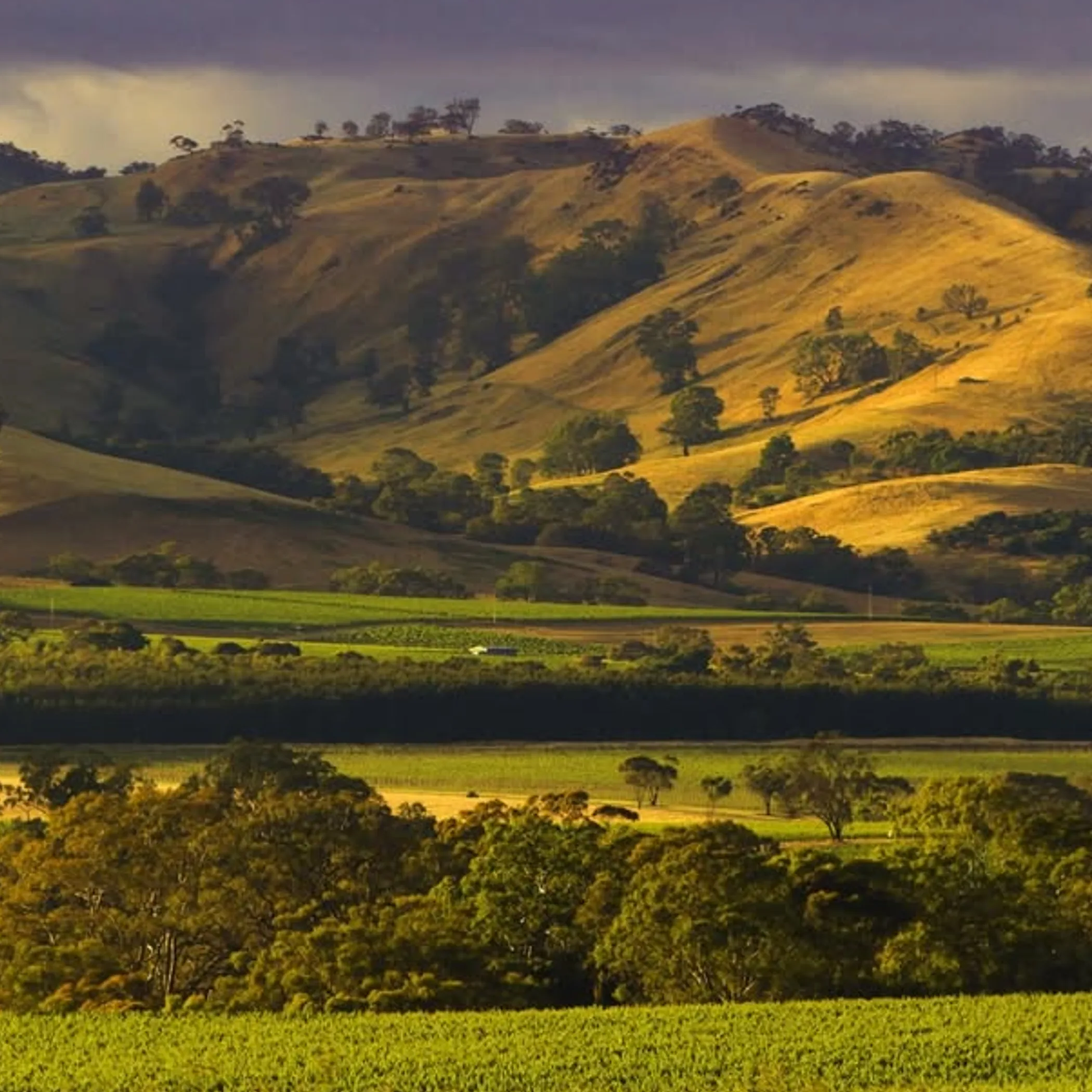
In the end the tale of Italian winemaking in this country is one of people making adjustments while holding on to what they knew. The migrants made their mark with their knowledge of the grape and their enterprises and then let the Australian climate and soil and opportunity change them.
You can see the legacy in the Barossa, McLaren Vale, Margaret River, the King Valley, Griffith and the Riverina. A word with a grower or a stop at a cellar door for a regional meal will put the wines and cuisine of the various Aussie regions in perspective. Only remember to put a couple of bottles in the boot and watch for kangaroos on the way back.
