NT Outback Driving Safety Guide
There is a simple fact about driving in the remote parts of the NT: you are better off with preparation than bravado. So plan for your fuel and communication, make sure your vehicle is up to the task, stock up on water and see what the roads are like before you go. In short, respect the distance as being as remote as it is. Daniel Crowe has put together this guide to some practical outback safety for those making their way across the Top End or Red Centre and the long drives that connect them.
In my years of assisting travellers with their plans for regional Australia I have come across one error time and again: they will prepare for where they are going but not for the intervening kilometres. One might think a road is as flat as a pancake but it can be hard on an unprepared car, a driver running on empty or a phone bereft of reception. The Outback does not suffer wishful thinking; it is all in the planning.
The Case For Preparation
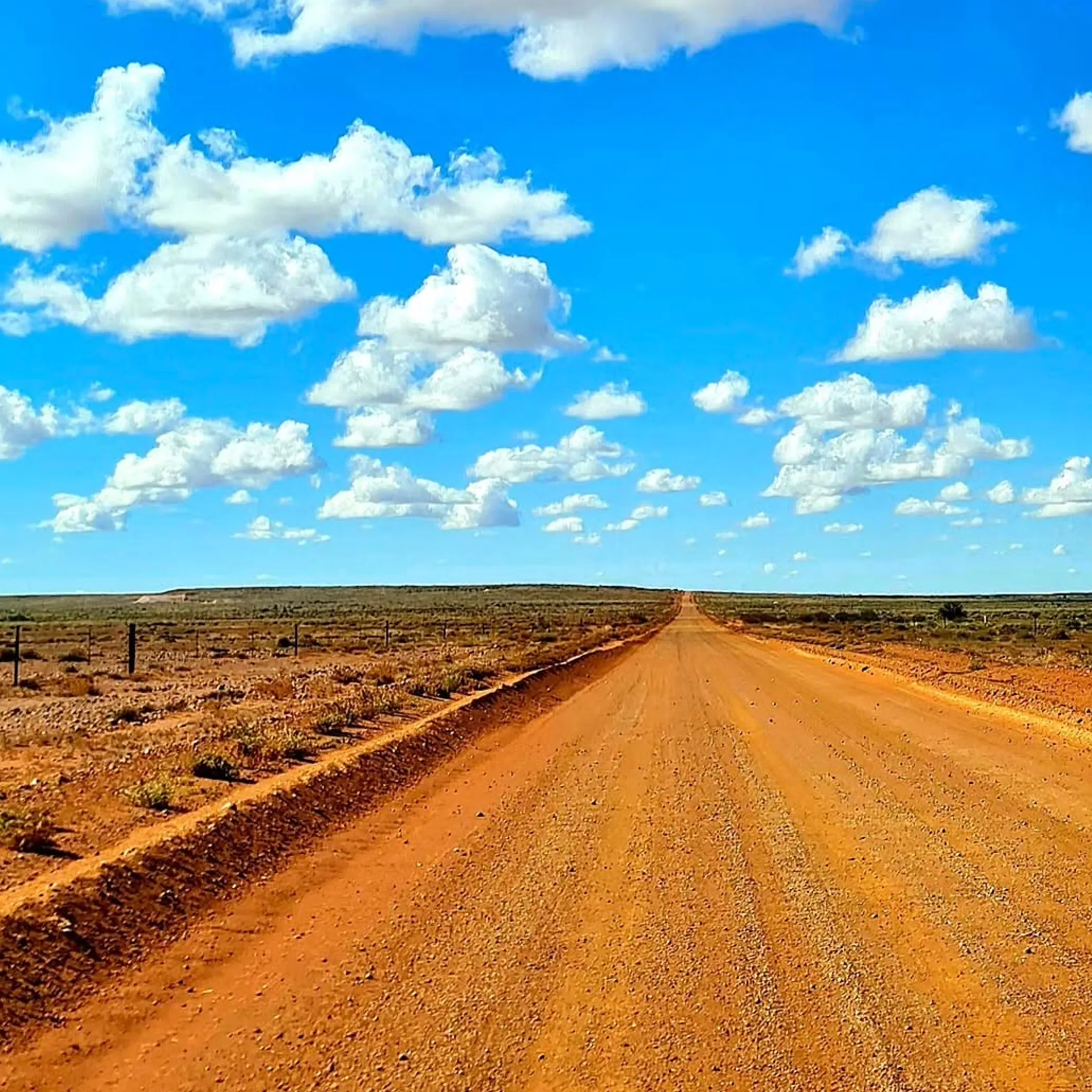
You have the heat, the wildlife, variable weather and not much in the way of services to contend with on these roads. What would be a minor inconvenience in town could turn into an emergency when you are a few hundred kilometres from a mechanic, a roadhouse or any mobile signal at all. Review this essential visitor safety guidance before you go.
Consider the Northern Territory. At 1.35 million square kilometres it is vast, and while there are major centres the population is thin on the ground. The roads may be well marked and open but do not assume help is close at hand.
What You Expect And What You Get
One expects a remote road to be a more sedate version of the highway. The reality is often long dusty tracts, corrugations, loose gravel, flood damage, road trains and the odd large animal or stock by the side of the road. A good sealed road is just that, though some will fall apart after the rain or some roadworks.
Then there is the matter of time which is easily miscalculated. Do the maths: at 100kph you are covering 28 metres a second. Introduce a kangaroo on the road, dust, fatigue or an oncoming road train and there is little reaction time to be had.
Vehicle Selection
Your choice of vehicle is paramount in the Australian Outback. Pick something appropriate for the road ahead rather than for the sake of a photo once you have made it. A compact hire car will do on the sealed highways but is no use on sand or 4WD country.
Before you set off, have a word with the hire company over the rental agreement and insurance exclusions. An Australia 4WD rental affords you greater ability provided you put it to proper use, but it is not a licence to tackle any track. Some firms will not let you on unsealed roads or river crossings.
A Pre-Departure Inspection
Do not leave town without having looked at the tyres (cold) and the spare, the tread, wheel nuts, oil, coolant, windscreen washer, lights and recovery points. If it is a four-wheel-drive, get the provider to show you how the system works along with the comms gear.
Ensure you have a jack for the wheel nuts and a proper toolkit. There is no sense in a skinny temporary spare for a long haul. And if the route calls for two spares, find out where they are stowed before you have to put the bonnet up and put up with the flies.
Know Your Limits
Even on the Stuart Highway you need to be focused, particularly with the distances and road trains. Gravel calls for a lighter touch and less speed. For the steep rocky bits, mud, sand and water you need the right equipment and know-how.
If you are new to it, do not be tempted onto a remote 4WD track unless you have a guide or another vehicle with you. It is useful to recognise that a capable vehicle does not make a novice driver so.
Fuel And Communication
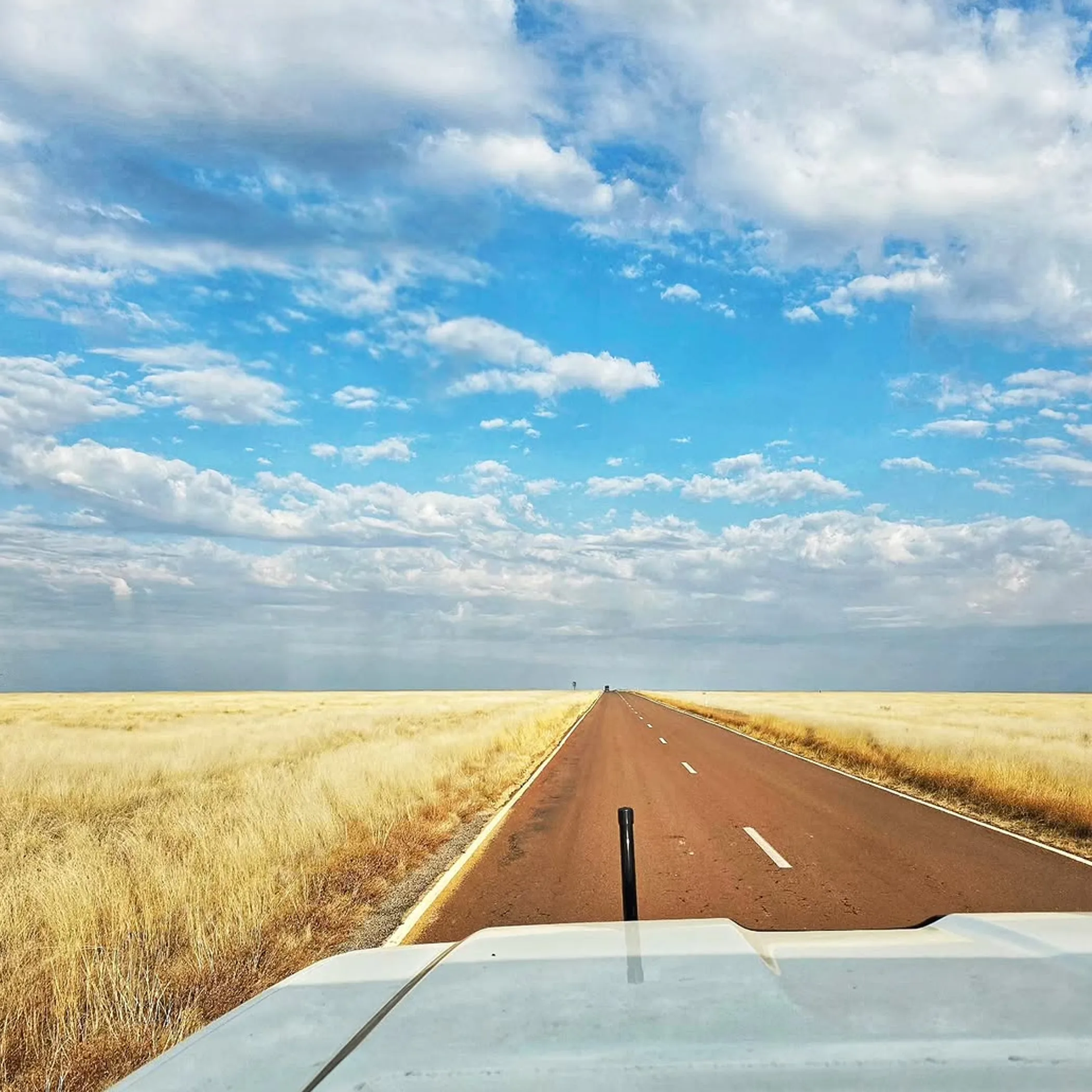
This is where road trip safety in the NT comes down to. Put every dependable fuel stop on your map and allow for idling and detours. Do not put your trust in a small pump on the side of the road because an old map says it is there.
Storms and flooding can alter conditions overnight. Before you head out, look at the official information from the Northern Territory Government for the latest rules and travel advice, or put some questions to the local authorities and roadhouse staff if in any doubt.
A Practical Way to Plan Your Route
Put pen to paper and set out your return route, where you are headed, departure point, any fuel or accommodation you have put in place. Then make sure a non-traveller has the particulars of your itinerary: vehicle registration, how many are in the party and your anticipated arrival date.
Once you are off the town, you will want offline maps on your device, but have a paper one for good measure; a dead phone battery is not something you can fix by looking at it with more intensity. For the odd remote stretch, or if you are on your own, a personal locator beacon or satellite phone is well worth having.
| Road situation | Practical approach |
|---|---|
| Sealed highway | Stay to the left and give road trains their space. Put in some breaks before you are too tired and when you do stop, be well off the carriageway. |
| Unsealed gravel | Put on the brakes and open up the distance behind you. You will encounter dust and stones so no sudden moves with the steering or braking. |
| Wet-season access | Check on closures and size up any floodwater. A crossing may appear shallow but do not take it for granted. |
| Remote 4WD track | You should have the right recovery gear and means of communication, as well as the necessary permission and supplies to see you through a delay. |
Making Allowances
One does not plan a trip out in the country expecting to do highway speeds all the way. Corrugations, road trains, weather, a puncture or some cattle will make a tidy schedule look like an estimate. Daylight is the time to be arriving and, if you can, put a day aside in reserve.
Some parks and reserves will want a pass and Aboriginal land needs permission from the proper authority. An NT Parks Pass is valid in some eligible parks but it is best to check what the policy is for your destination.
Water and Gear
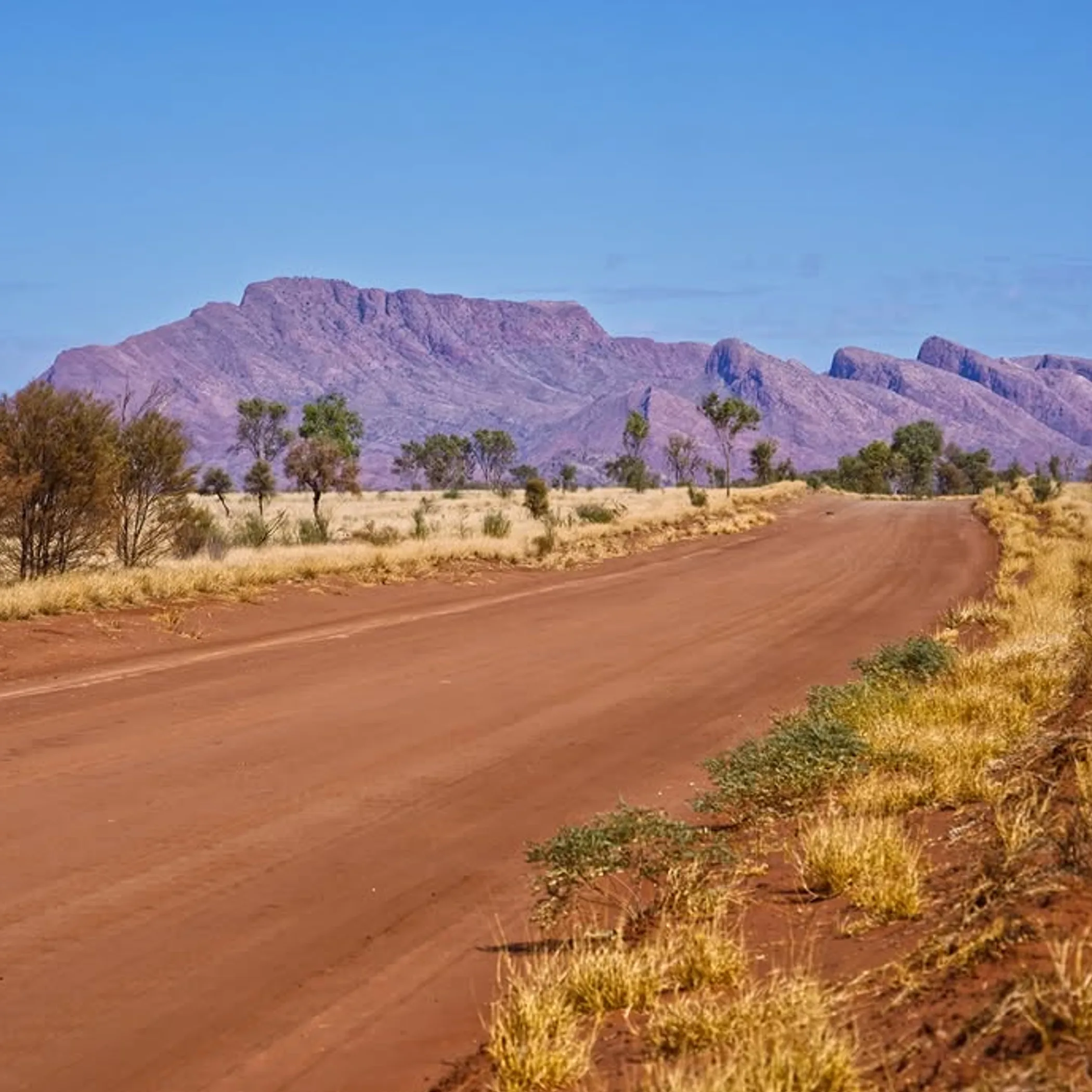
On a remote run you cannot do without extra water. Have fresh water on hand for the vehicle, first-aid, cooking and drinking, with some in reserve. Do not count on a natural source, particularly where you do not know the quality or after a downpour.
Your emergency supplies should be to hand, not under a pile of suitcases, in case the vehicle is immobilised for hours. There is little use in a recovery kit if you have to empty the boot to get at it on a busy road. See to it you have:
- Drinking water and electrolytes and food that will stand up to the heat.
- The essentials: sunscreen, insect repellent, a wide-brimmed hat, first-aid and any medicines.
- Communication gear, power banks and spare batteries for your torches, and your paper maps.
- Recovery straps and rated points, a pressure gauge, tyre inflator and repair plugs.
- Spare coolant, basic tools, a fire extinguisher and gloves and enough fuel for contingencies.
See That Your Supplies Are In Good Order
Check your containers and put the water away securely. Expiry dates and heat can be an issue with some medications, batteries and food so rotate them. The driver should have a small bottle of water at hand instead of having to make a search while the vehicle is in motion.
Do not make an attachment point of a tow ball or anything else improvised; the equipment has to be fit for the load and vehicle. When in doubt, call for help. It is better than ending up with an injury and a mangled car.
Dealing With Fatigue
Long roads in the bush present a real risk of fatigue when the view hardly changes. Add in the heat, dehydration and a poor night’s sleep and you are in trouble. Being able to drive is not being alert.
Get someone else to share the wheel. Every two hours or so is a good rule of thumb for a break, but do not wait until you are drifting in the lane or have forgotten the last few kilometres. Make a plan ahead of time for who is driving what leg and where the stops will be. Use the time to walk about and have something to eat. Coffee is no substitute for sleep, so if you are battling it, pull over and rest. You can have your meal at the roadhouse later.
With only a day to make of it, a sensible choice is a shorter section near a major centre that is well served, rather than some cross-country ambition. Factor in slower going, toilet and photo stops and you have a realistic day. This is the bush you are in, not the Bathurst 1000.
Dust and Rain
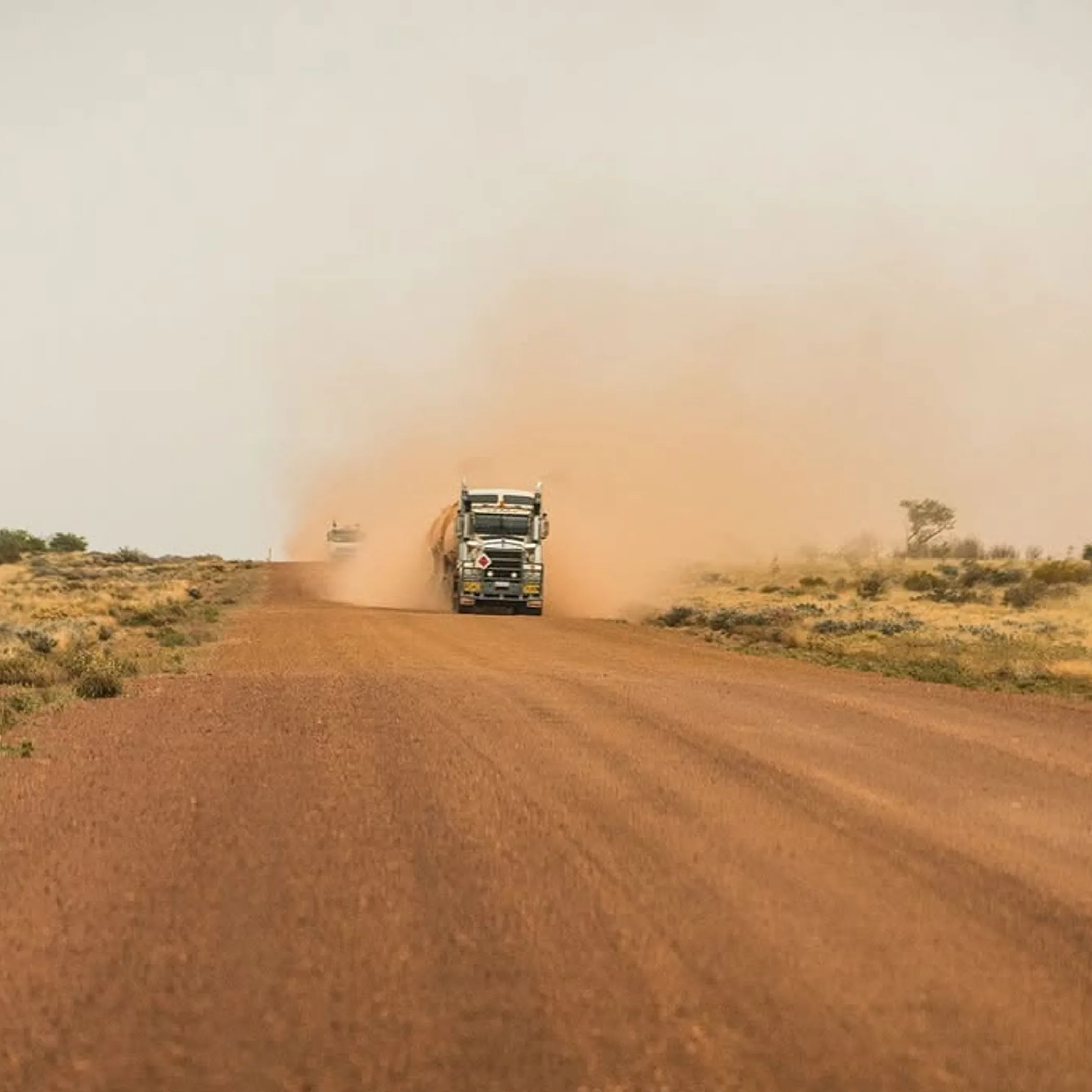
Be easy on the controls on gravel. Ease off before a corner and brake with some smoothness. Traction is scarce on a loose surface, let alone one that is crowned or has fresh gravel.
When the dust comes down you can lose sight of potholes or oncoming traffic. If you cannot see, slow to a stop and get off the road if you can safely. Headlights should be on and there is no need to be in the wake of another vehicle’s dust.
Wet Roads Change Quickly
A wet road offers no warning before it is slippery. Tyres can be caked with mud and the give of a soft shoulder or an unstable edge will put a vehicle on a sideways trajectory. Do not make the mistake of driving through floodwater or around a closure simply because some other driver has.
Floodwater has a way of hiding washouts, debris, deep holes and damage to the road surface. Even if it looks shallow, water will displace a vehicle. When in doubt, put in a stop at a safe spot and get some local counsel. In the wet season one does not know when a closure might be put in place; between November and April cyclone alerts in the north have a habit of upending travel plans.
Wildlife And Darkness
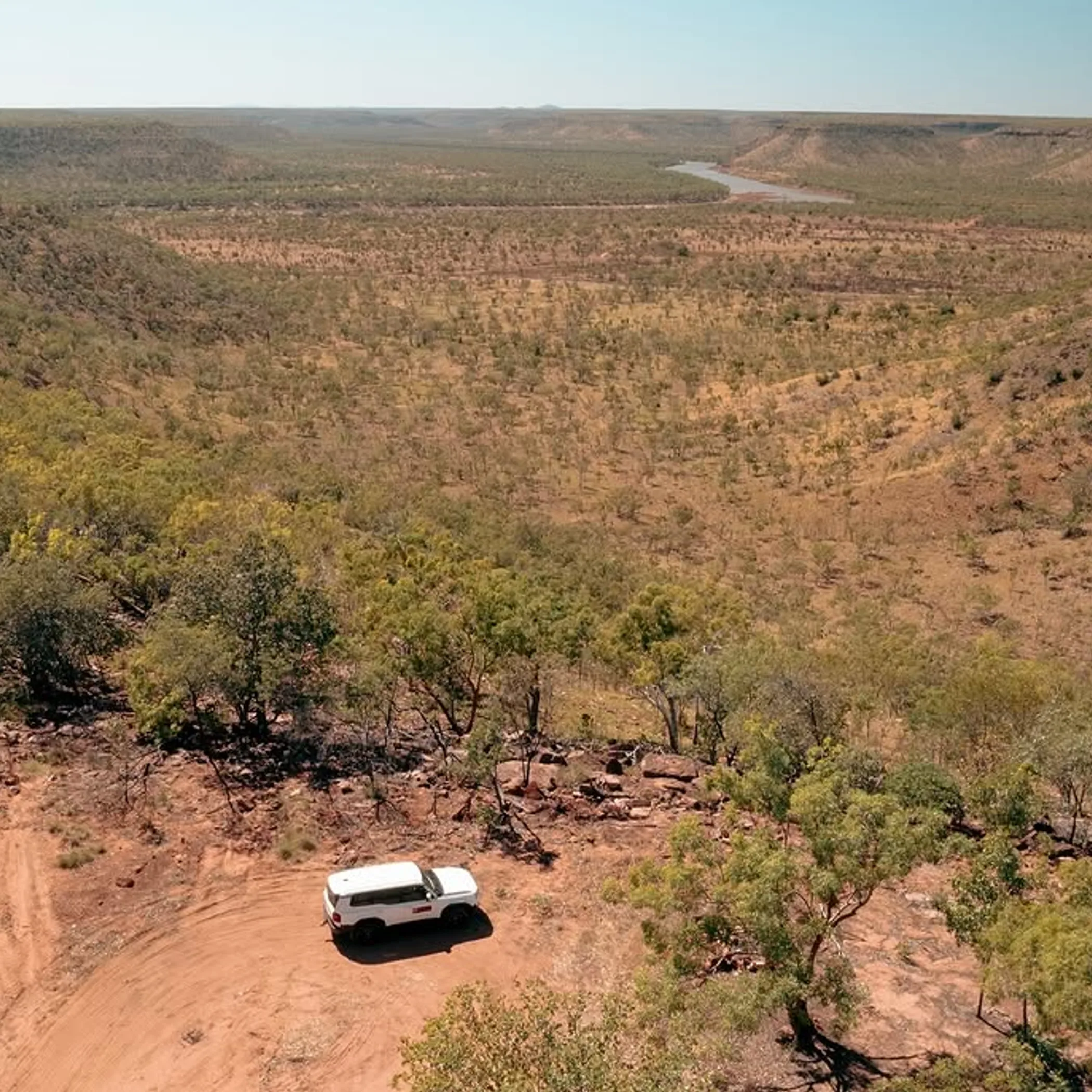
One should avoid both. After dark, at dusk and dawn, large animals are at their most active. A kangaroo, horse or cattle, as well as feral and other wildlife, will cross the road without predictability. Put on the brakes and look to the verges, not only the lane in front, when visibility is down.
There are extra hazards on a remote road at night: fatigue, poor lighting, depth perception that is not what it should be, broken down cars and animals. If there is no good reason to press on, find a lawful and safe place to halt before it gets dark. Do not presume you can put up your tent by any road, check the camping regulations first.
Dealing With Wildlife
When an animal comes into view, brake hard but do not lose control of the vehicle. Do not swerve at the expense of oncoming traffic or a weak road edge. Should you come to blows with an animal, get to a position of safety, see to your passengers, put off any approaching traffic and call the emergency or wildlife service as you can.
Injured wildlife is best left alone; it could be aggressive, diseased or just plain scared. Have the children and pets in the car while you take stock.
Breakdowns
If the vehicle gives out, get as far from the carriageway as the ground permits. On a road where road trains are to be found the airflow is no joke and can be dangerous. Put on the hazard lights and deploy any warning gear if it is safe, and keep those in the car clear of the traffic. You are better off with the vehicle for the emergency services to see than a person making his way across country. Give them your co-ordinates and an honest account of your fuel, water and medical needs.
- Assess any injuries and put some distance between yourself and the traffic.
- Call your roadside provider or the emergency services with your exact location.
- Conserve your water and energy and stay in communication.
- Make the vehicle stand out with reflectors or hazard lights.
- Wait for help; unless the authorities say otherwise, do not get in with a stranger.
Common Mistakes
It is rarely a single dramatic choice that gets people into trouble, more the sum of small ones: setting off late, putting off a refuelling, not heeding a tyre warning, expecting reception to come back and then driving after dark. To be safe on the Australian remote road one has to put right those errors before they add up.
For the kind of visitor guidance that matters, put it to the local staff about conditions, closures and where to stop. It may not read as well as a brochure but it is more to the point.
Some Questions Asked
Is it legal to sleep in the car?
You will not find a nationwide answer. Every state and council area has its own rules. The Northern Territory has designated campsites and rest areas and you must follow the signs. To try and sleep on Aboriginal land or by the side of a highway without leave could be unlawful and is not safe. Look up the rules for where you intend to be for the night.
The most remote road in Australia?
That is debatable since “remote” can mean anything from being away from population to sealed roads or assistance. Some tracks in Western Australia and the NT are very isolated. Any road with long stretches between services is remote whether it has been given a title or not.
Eating and driving in the NT?
Not necessarily against the rules but it is a distraction and takes control of the vehicle away from you. The police will not tolerate behaviour that is dangerous. A hot drink or a meal that requires two hands is something to pull over for. A pie is less expensive than a crash.
Where are the rules the strictest?
No official ranking exists to name one jurisdiction as having the strictest. Speed, alcohol, child restraints and penalties for mobile-phone use are handled differently. You would do well to acquaint yourself with the Northern Territory rules before you drive there, even if you have put in plenty of miles in another state.
A four-wheel drive for all Outback roads?
Hardly. Most of the major routes in the NT are sealed and fine for an ordinary car in dry weather provided it is in order. For sand, steep ground and some access roads a four-wheel drive is called for. But do not go by the badge on the vehicle, check the route and the weather and take some local advice.
See That The Journey Is Safe
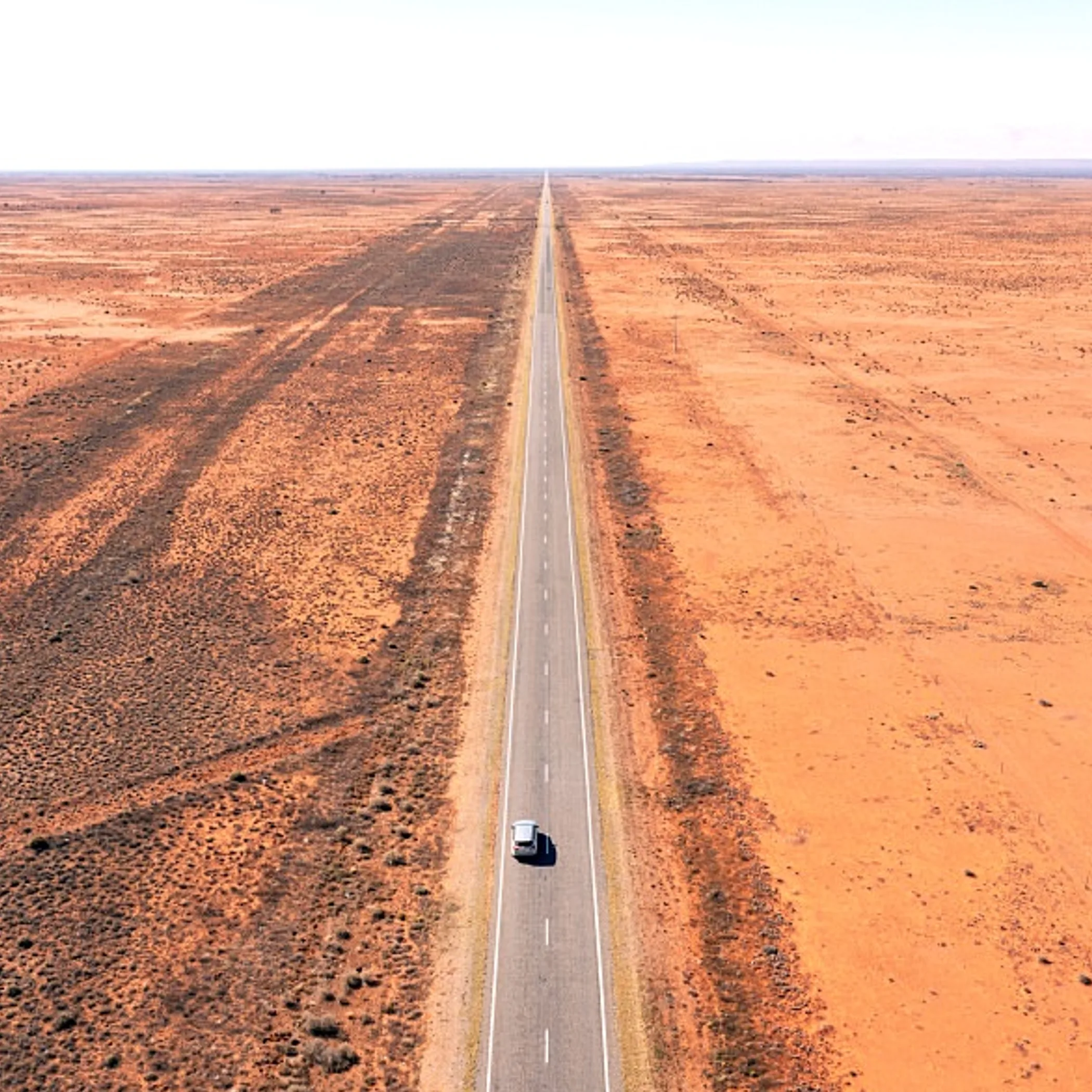
The tips for the outback are simple: plan ahead, have water to spare, manage the fatigue, respect the weather and allow time. There is no virtue in a heroic tale of being stranded, the best trip is the one where you are safe and have the wherewithal to boil the billy and take in the surroundings.
Conditions in the Northern Territory can be rough as guts but with sensible preparation the travelling is more of a pleasure. Let the road dictate the pace, not your timetable, and consider a safe return part of the plan.
