There is a fundamental rule to any roof work in Australia in 2026: put the plan in place before one puts a foot on the ladder. That is where these guidelines begin. Safety is not a matter of donning a hard hat and leaving it to chance; it is about having control over access, materials, weather, electricity, fragile surfaces and falls.
I am Daniel Crowe. One learns from experience that the “quick” jobs are frequently the ones with the most to risk. A ten-minute fix can become an incident if there is a badly placed ladder, a wet sheet of Colorbond or a tile out of true. What follows is a guide to the requirements for all concerned with roof work in this country, be they homeowner, contractor, property manager or worker.
Roof Work Requirements For 2026
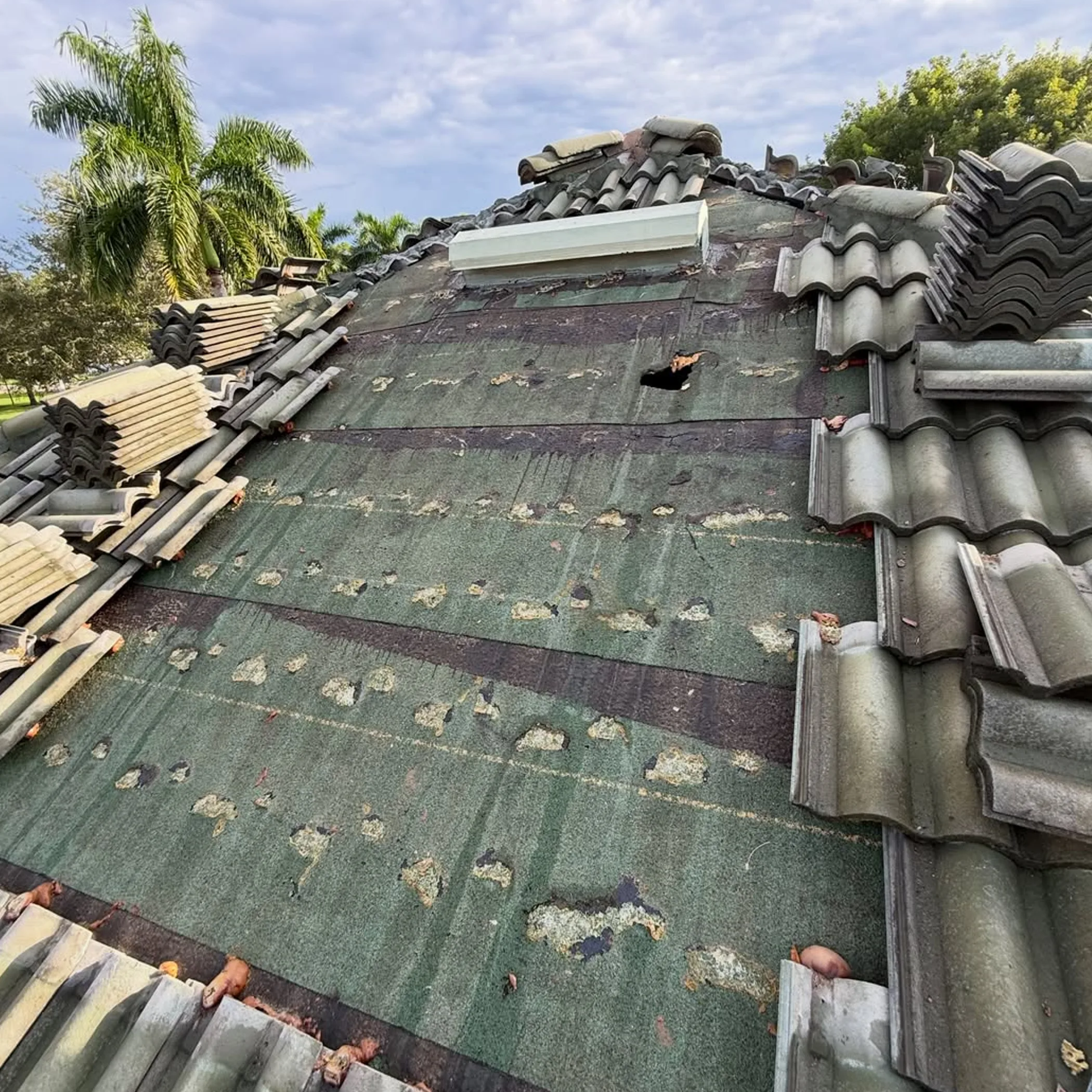
The regulations you will encounter in Australia are drawn from the National Construction Code, Australian Standards and manufacturer’s directions as well as state and territory mandates and Work Health and Safety (WHS) laws. Your duty is determined by the site, the work itself and the people on it, and the probability of a fall or other hazard.
For what is current, look to Safe Work Australia for their guidance on falls from heights. Their model is of national use but every state and territory has its own regulator and legislative process to follow.
Know Your Legal Duties
A PCBU, or person conducting a business or undertaking, is required to see that risks are managed as far as is reasonably practicable. This means having safe systems and equipment in order, including safe roof cleaning techniques where relevant, along with the necessary instruction, supervision and emergency provisions.
Under the WHS framework, roof work can be classed as high risk construction work. If there is a risk of a person falling in excess of 2 metres a SWMS (safe work method statement) is called for. Do not mistake the 2-metre mark for a safe height, it is a legal trigger for planning; a fall from lower down is still capable of doing catastrophic damage.
If you are a homeowner hiring a contractor, make sure he is licensed and insured as the case may be and can account for his risk controls. And a good worker will not be cajoled into “just getting it done” when conditions are unsafe, but will report them and put a stop to the work.
Technical Sources
Broad performance is dictated by the National Construction Code but you will find the relevant Australian Standards will apply to such things as ladders, scaffolding, metal or tiled roofing, electricals and PPE. Do not think a standard is universal for every roof. An asbestos-cement or steep bush roof calls for different measures than a metal one. Verify with your building surveyor, project designer or state regulator that you have the latest edition of any standard.
Hazards Should Be Assessed First
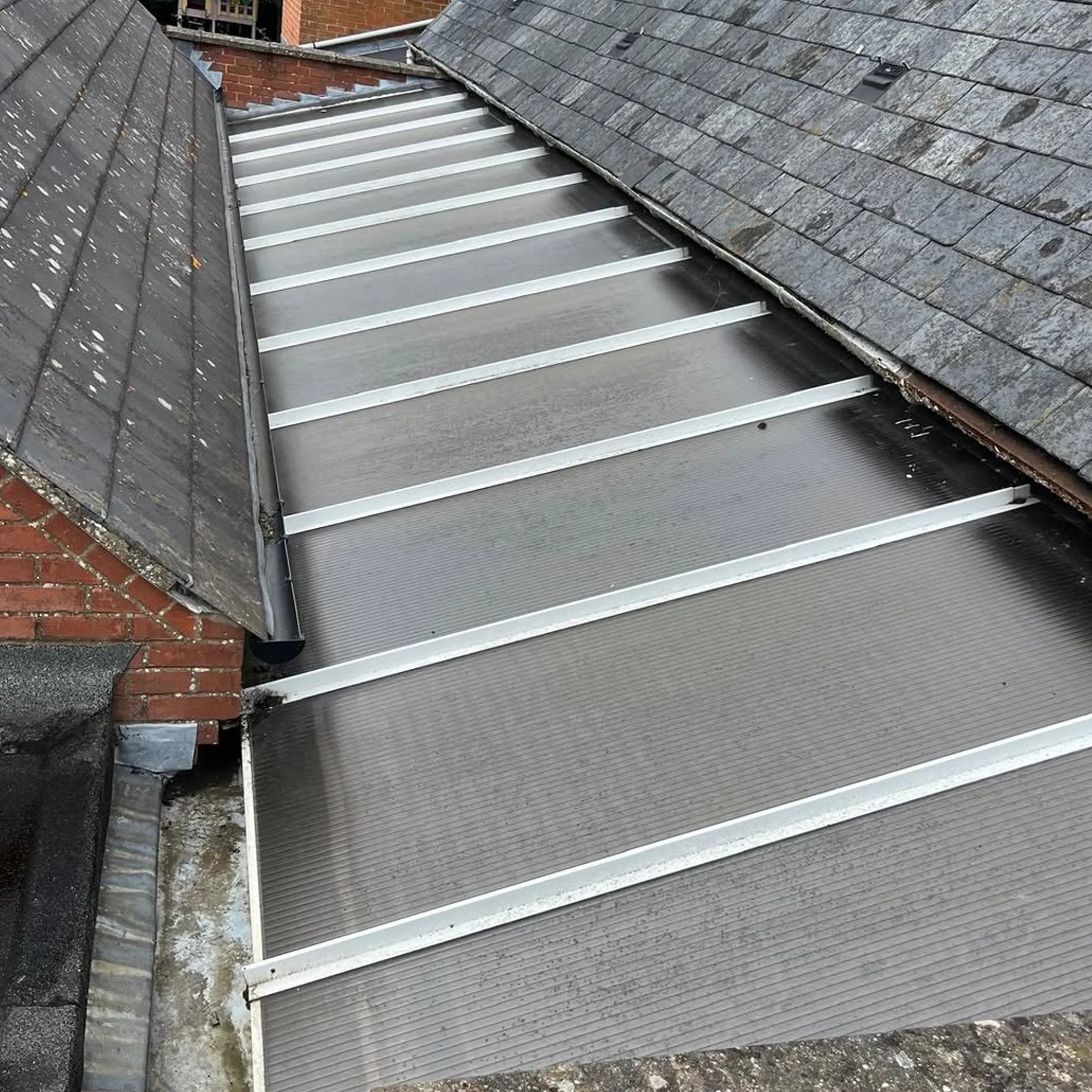
Do not put tools up until you have made a risk assessment from the ground. Have a walk around and put yourself in a position to see what might do injury to a person or the building, or impede a rescue.
The driveway does not give you the whole picture and that is where people are taken in. You could be looking at a concealed valley, overhead powerlines, a patch of wetness or a part of the roof already compromised by water. Asbestos cement that has gone brittle and unprotected skylights are also something to watch for.
Make A Thorough Check Of The Work Area
Note the pitch, the gutters, any solar panels or antennas, the state of the surface and how the roof will take the load. See if the work will put undue pressure on corroded areas or tiles.
Look for gas appliances, temporary cabling and the threat of objects coming down from above. Put in a ground exclusion zone to keep people from being under your workers or their materials. The kelpie Blue will not be much use if a drill is dropped, so have children and pets clear of the vicinity.
Weather And Timing
You can have the risk alter in a moment with the weather. Ladders and tiles are slippery in the rain, wind will lift sheets and unsettle a man on the roof, while the heat brings dehydration and burns from dark metal.
In the north, from November through April you need to be wary of cyclone alerts and the storms of the wet season. In the Pilbara or Top End a morning can be flat as a pancake yet lightning and sudden downpours will render the roof off limits. Down south the winter light and frost can be just as troublesome.
If the site supervisor or the equipment manual says no, or the risk assessment is exceeded, then let the job wait. It is not worth making a dash of it with a storm on the way.
Pre-Start Checklist
Prior to commencing, the below should be confirmed and noted in the SWMS or risk assessment as is proper.
- There is a common understanding of the arrangements for access, rescue and emergencies.
- An inspection has been made of the roof as to its surface, pitch, structure and any fragile spots.
- Risks from powerlines, skylights, roof penetrations and falling objects are under control.
- The weather is amenable to what is planned.
- All fall and edge protection, ladders and scaffolding have been put in place properly.
- Tools, materials and PPE are fit for purpose, secured and have been seen to.
- Pedestrians, vehicles and occupants are kept out of the work area below.
Prevent Falls At Roof Access
One should adhere to the hierarchy of controls in the matter of fall prevention. See if the job can be done from the ground or a more secure platform first. Where roof access is called for, make use of collective measures like a well designed work platform, edge protection or scaffolding rather than putting faith in individual fall-arrest gear.
Getting on to the roof is an activity that warrants its own controls, be it the route up, the return or moving about on the surface.
Choose Safer Access
A ladder of the right size and stability on level, firm ground is to be used. Make sure it is held fast and keep three points of contact when climbing. Bulky items are best left to a hoist or rope system; there is no need to have them in hand.
While a roof ladder will distribute a man’s weight and spare the tiles, it is not a guarantee against a fall. It must be suited to the roof and operated as instructed. For protracted work one might find better access with a mobile elevating work platform, scaffolding or temporary stairs.
Do not resort to a plank to span a gap, standing on a gutter or a pile of bricks for height. Such improvisation is rough and has no part in a safe system of work.
Control Edges And Openings
Exposed edges where a worker might go over need edge protection. Have competent people put up guardrails, mid-rails and toe-boards of a type appropriate to the site; the latter will also stop tools and materials coming down on anyone.
Treat a skylight or other opening as you would a hole, even if it seems solid. Put in a cover or barrier that is up to the load and will not be dislodged.
A search for roof anchors in Australia will turn up products of similar appearance but different function. An anchor is no magic button to make up for a poor roof, the wrong harness or lack of a rescue plan. It has to be right for the structure, installed to design and part of a compatible system.
Use Suitable Safety Equipment
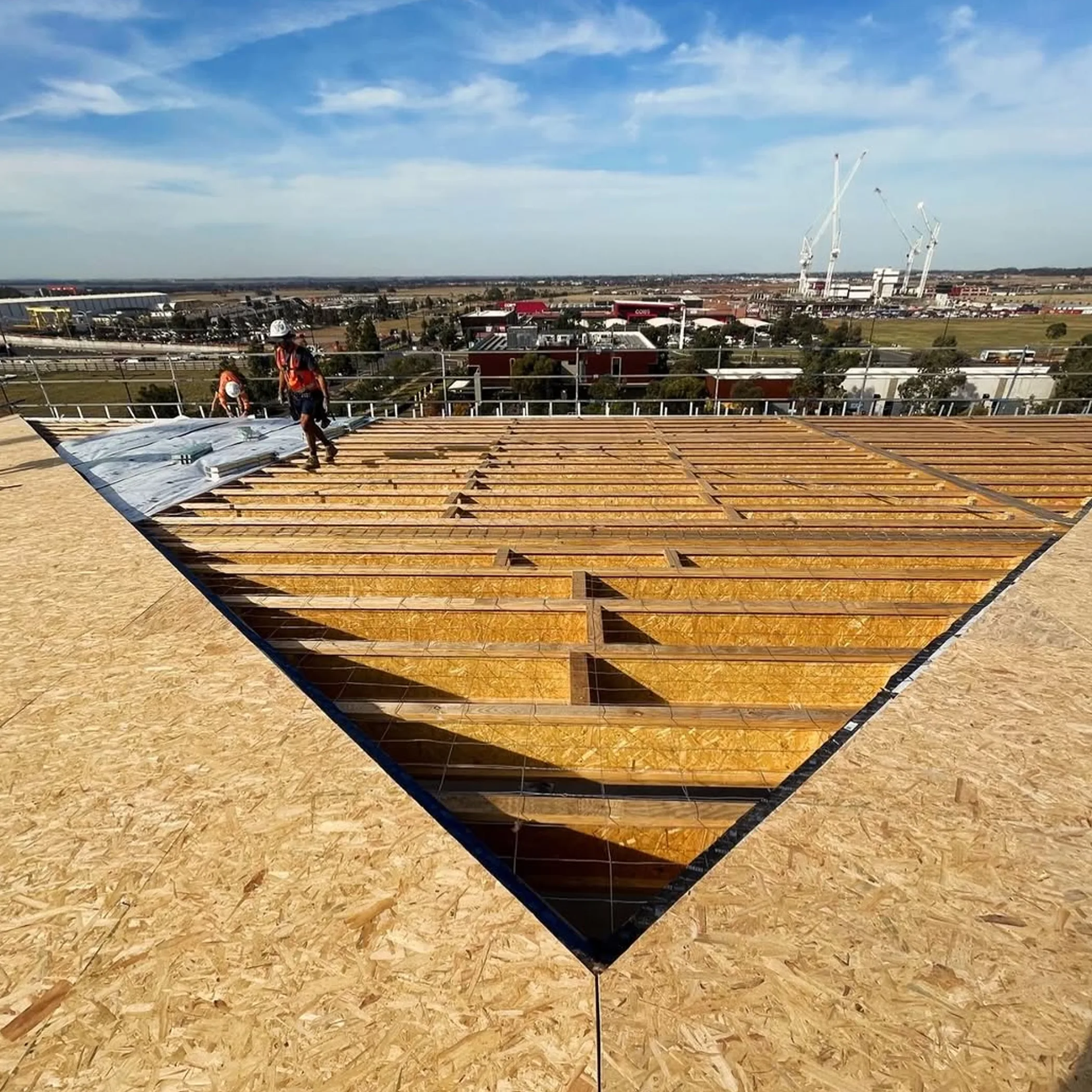
Protection is not something you get simply by purchasing equipment. What is put in place must be in keeping with the task and the risk of a fall. Each piece requires training, the right installation and adjustment.
Fall restraint or arrest is added after prevention. A fall-arrest system will only limit injury if there is adequate clearance and anchorage and a rescue at hand.
Inspect Protective Systems
Before they are used, look over the scaffolding, harnesses, lanyards, lifelines, roof ladders and the like. Check for any sign of corrosion, distortion, cuts or loose fasteners, or that the item has been loaded before. Damaged gear is to be taken out of service until a competent person gives the all clear.
Workers have to know how to call for help and be aware of swing-fall hazards and suspension trauma. A harness is of little use if it does not fit and is not used as it should. Emergency planning is not to be left to the end; a man hanging after a fall is still in peril.
Wear Task-Specific PPE
PPE is your last defence. This covers everything from non-slip shoes, helmets and eye or hearing protection to high-vis clothing and respiratory gear.
Handle material with gloves that do not compromise your grip. Metal roofing has its razor edges and old tiles have a way of breaking. When there is dust or hazardous fibres put on respiratory controls; eye protection is in order for cutting, drilling or brushing away debris.
Repair Tiles And Metal Roofing
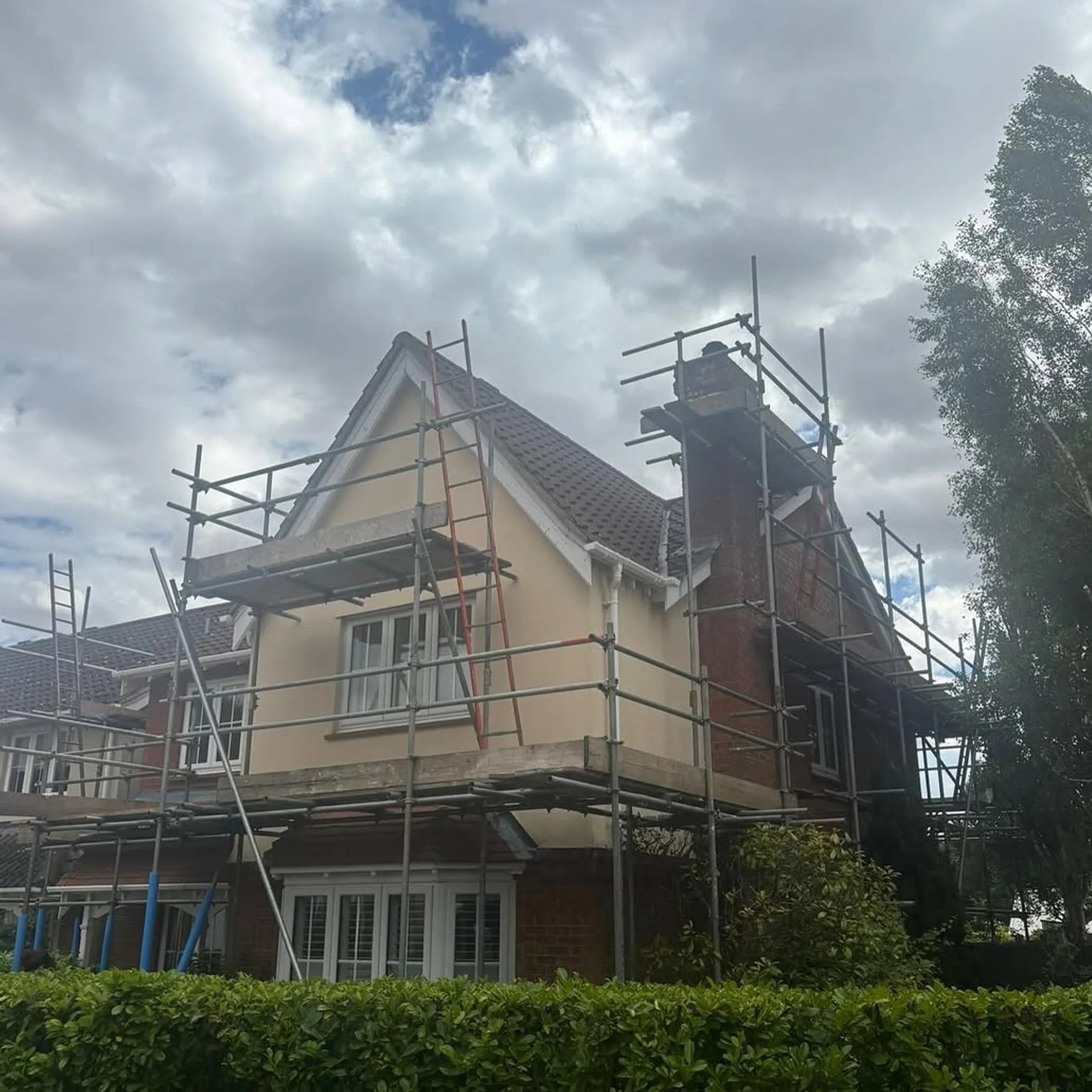
Keep the work area in order and handle materials from a stable vantage point to make repairs safer. Unsecured tools or a tile near an edge are as good as falling objects.
For terracotta, concrete, galvanised steel or Colorbond, stick to the manufacturer’s instructions and use components that are compatible. You may save five minutes with a shortcut but then have to deal with leaks or corrosion, or put yourself in danger on a return visit.
Tools And Materials
See to it that the hand and power tools employed are fit for purpose, have their guards in place and are of sound condition. A pre-work inspection of leads, batteries, switches and cutting discs is called for. Power tools should be kept from any dampness and leads put away where they will not present a trip or slip hazard.
Loose sheets must be made fast before one attempts to lift them. On a coastal site, rural block or other exposed property the wind can make a metal sheet act like a sail. As for materials, do not put them in a position to obstruct a rescue route, overload part of the roof or simply slide about.
Roof Cleaning: Do It The Right Way
The first step in cleaning a roof safely is to determine if it can be done without putting anyone up on it. While long-reach and ground-based tools with low-pressure control will limit exposure, protection against chemicals, slippery runoff and debris from above is still necessary.
Old tiles, flashings, brittle surfaces or where the mortar has gone should not be put to a high-pressure washer in a casual fashion. Water may find its way into the building and dislodge things, leaving the roof as treacherous as a footpath after a summer downpour. Runoff needs to be contained so as not to be a nuisance at doors or on a neighbour’s property.
Asbestos And Other Fragile Roofs
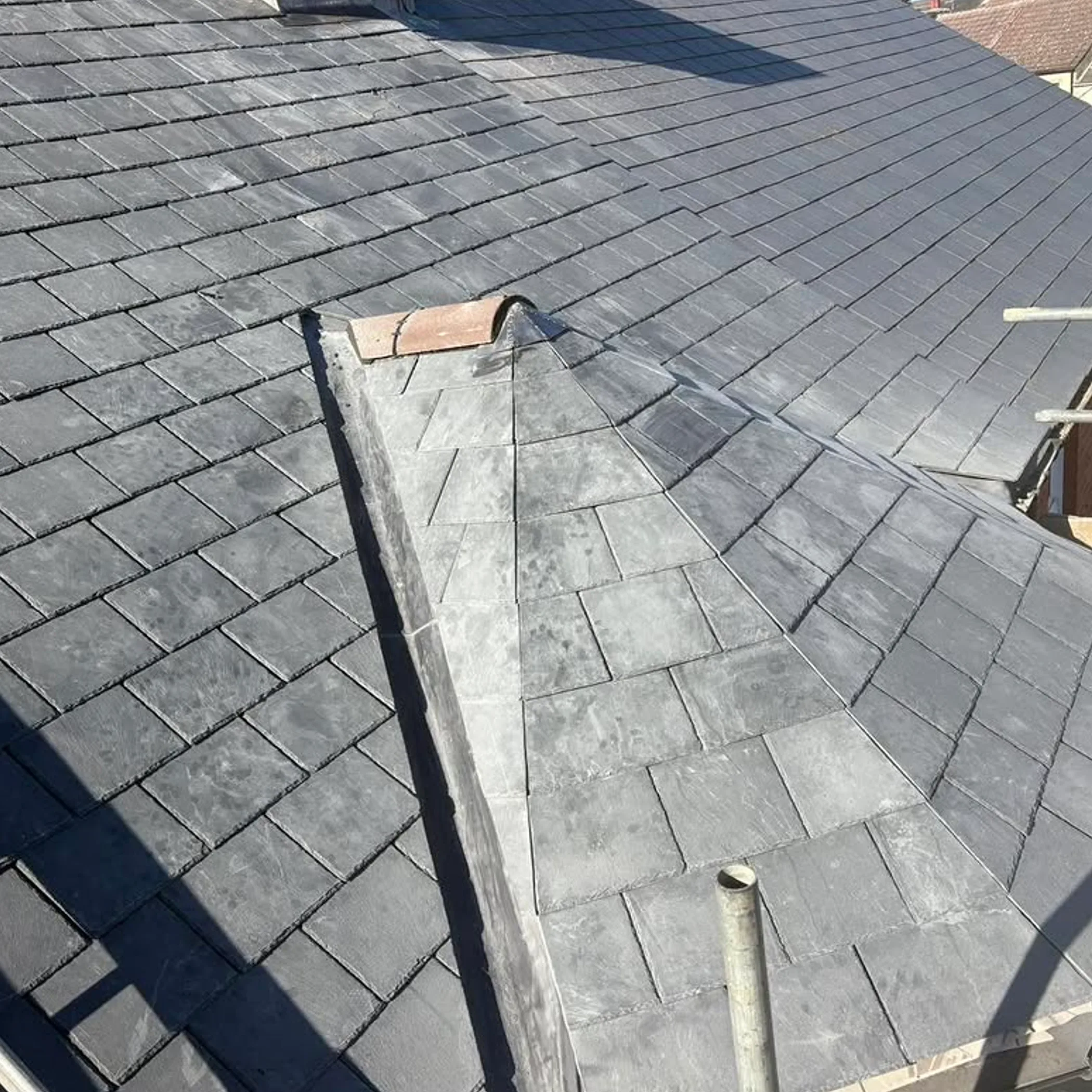
There are separate protocols for asbestos. An older piece of asbestos-cement roofing will give up hazardous fibres if you are hard on it with a drill, sandpaper or scraper; one cannot tell by looking alone.
Fragility is also to be found in corroded or fire-damaged surfaces, old metal sheets, skylights and translucent panels. Err on the side of caution and consider an uncertain surface fragile until someone competent says it is not.
Hire A Licensed Removalist
If the law of the state or territory dictates it, a licensed removalist is to be engaged for asbestos work and the rules followed. Workers will have the proper controls for decontamination and disposal of waste. There is no sweeping up of asbestos dust with compressed air or consigning what is thought to be asbestos to the regular rubbish. The area is to be made off limits and occupants kept at a distance. Should some unanticipated material turn up, put a halt to the work and get professional counsel.
Beware Of What You Cannot See
Do not put weight on a roof just because it appears to be in order. Near a gutter, valley, skylight or any water damage a sheet or ceiling can give way. Crawl boards and platforms are fine provided they are suited to the surface and put in properly. If there is any question, have an inspection done from the safety of the ground. The cost of some good advice is nothing compared to an ambulance bill and a ruined roof.
Comply With State Requirements
WHS laws in each state will govern the management of duties, notifications, licences and high-risk construction. The administrative side of a roof job can vary in Victoria, New South Wales, Queensland, Western Australia, South Australia, Tasmania, the Northern Territory or the ACT.
One would be mistaken to think a roofing permits Australia search tells the whole story; WHS and building approvals are distinct. A SWMS is no substitute for a building approval which in itself does not legitimise unsafe practices.
Verify Approvals And Licences
Put it to the local council, building surveyor or the state authority to see if planning approval, heritage consent or a licensed contractor is in order for the work at hand. Extra checks may be needed for solar, a new roof or any major structural alteration in a heritage zone.
When it comes to commercial or construction projects, one should verify the contractor for licence and insurance as well as his competency and how he will be supervising. Make sure there are on file the risk assessment, SWMS, any permits or inductions, equipment inspection reports and emergency contacts.
Safe Site Logistics
Make provision for where access is to be made, for unloading of materials and for workers to park. Do not let vehicles encroach on the drop zone under the roof or come near overhead lines and unstable ground. And put in place a safe route for workers to make their way back with waste or when they are coming down at day’s end; fatigue has a way of being insidious.
Should the job present an unsafe means of access, alter your approach. It might be pricier to put in a hoist or scaffold truck or engage a roofing professional than to use a ladder, but then you have to factor in the risks of injury, hire costs, delays and the like, not merely what the initial invoice says.
Some Answers To Roofing Questions
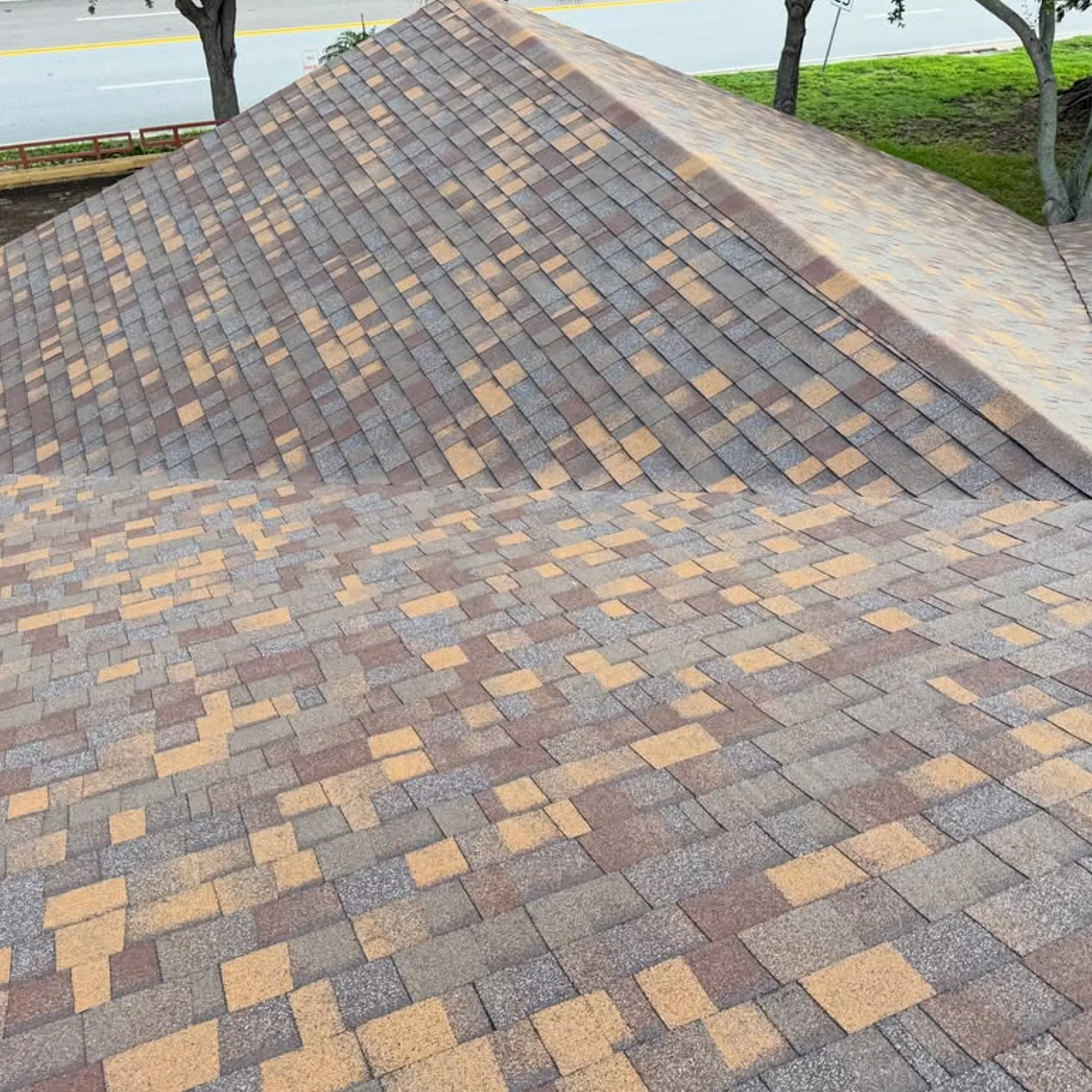
Homeowners and those without much experience can be taken in by the misconceptions that arise when workplace controls and construction requirements are conflated in the matter of roof safety. The following should set the record straight.
What does the Australian Standard say on roof construction?
There is no one Standard for all roofs. What is called for could be National Construction Code, structural or metal roofing and tile standards, wind or energy performance criteria, waterproofing or simply what the manufacturer has put in his instructions. It is a matter of the work to be done and the roof’s type, structure and location.
Do I need sarking on a Colorbond roof?
Not in every case. Climate, the design of the roof, condensation, bushfire or thermal considerations, wind-driven rain and construction provisions will dictate whether sarking is necessary. A qualified building professional can advise on the installation in question, as can the manufacturer.
Five functional requirements of a roof?
Structural stability, durability, resistance to the weather, fire or acoustic performance and thermal performance are the usual talking points, though these are not some kind of five-point legal checklist to be applied universally. Performance requirements for the building are set by the NCC and the project specifications.
How much of an overhang on the gutter for the sheets?
You will not find a safe measurement that applies across the board. With so many variables from the sheet profile and pitch to the flashing and wind exposure, the dimension has to be right. An overhang that is too much or not enough invites poor drainage, corrosion or wind damage, so check with the installer or the manufacturer.
Is it alright for a homeowner to do the cleaning?
In some instances, provided the equipment, weather and access can be kept under control. One would not want to be scaling a steep, wet or damaged roof, or one with asbestos. Where there is any doubt as to fall protection or hazardous materials, leave it to a competent contractor.
A Safe Roof Plan To End On
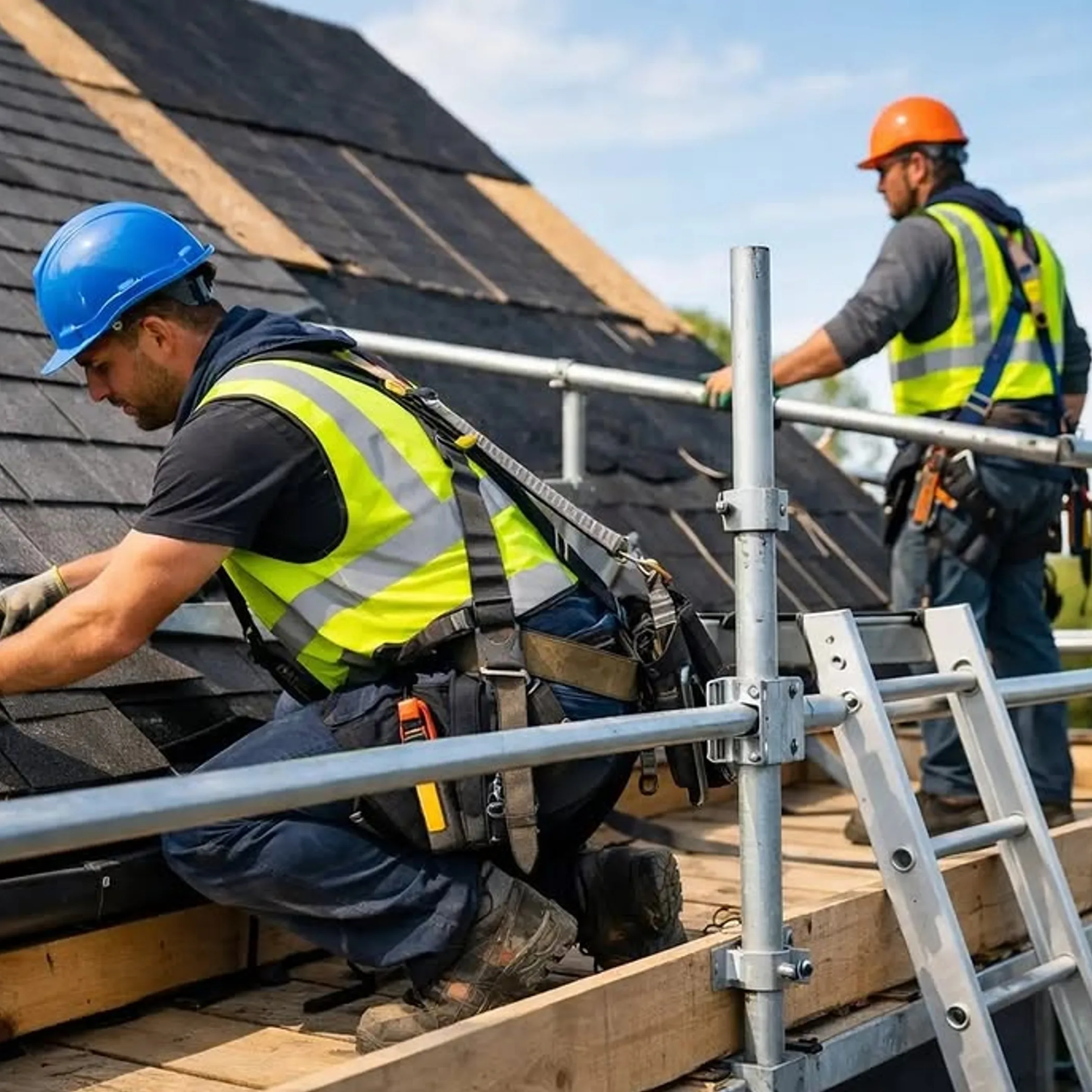
Before a ladder is put to use, the plan for roof work ought to be specific and well understood. Get on top of the weather, see to edges and openings, inspect the surface and have a rescue in mind. Use the right equipment.
It is no longer 2026 to be showing off and balancing on a ridge with a drill in hand. Sensible decisions are made early and WHS roofing requirements are adhered to, and if conditions warrant, work is put on hold. From the ground up a job may seem unsafe; take that for the warning it is.
